Best Fire Alarm Cable for Plenum and Riser Installations
Choosing the right fire alarm cable ensures reliable signaling, compliance with NEC codes, and safe performance in both plenum and non-plenum spaces. This guide highlights top 5 cables designed for fire alarm and signaling circuits, including plenum-rated (FPLP), riser-rated (FPLR), and shielded options. Each product is evaluated on conductor quality, shielding, jacket material, and installation suitability to help facility managers, electricians, and integrators make informed decisions.
| Product | Conductor Type | Rating | Jacket Color | Applications |
|---|---|---|---|---|
| EWCS 18 AWG 2/C FPLP Red | 2 Solid Copper | FPLP | Red | Plenum, Fire Alarm Circuits |
| Syston 16/2 1000 ft FPLP/CL3P | 2 Solid Copper | FPLP/CL3P | Black/Red | Indoor/Outdoor, Plenum |
EWCS 18 AWG 2/C FPLP Plenum Rated Red

These UL-approved FPLP cables are designed for fire alarm and signal control circuits, with plenum-rated jackets and two solid bare copper conductors color-coded Black and Red. They support NEC 760 FPLP, 800CMP, and 725 CL2P ratings, suitable for installation in air-handling spaces. The Low Smoke PVC jacket in red provides clear circuit identification, and the 0.143” diameter with 20 lb per 1000 feet weight ensures manageable spooling. A 12” plywood spool keeps packaging practical for long runs.
Key features include: 300-volt, 75°C rating; multiple jacket color options for circuit distinction; and foot markings on the jacket to track remaining length. This makes it well-suited for centralized fire alarm control wiring and signaling in commercial buildings where plenum spaces are used for air distribution.
Syston 16/2 Fire Alarm Cable FPLP/CL3P

This Syston cable offers multiple applications from fire protective signaling to voice communications and microprocessor-controlled systems. It uses pure copper conductors for reliability and features FPLP/CMP/CL3P/FT6/Plenum-rated construction to maximize safety in plenum spaces. UL and ETL listings support indoor/outdoor use, with robust resistance to interference thanks to its conductor design and rated shielding options. It is a preferred choice for integrated fire alarm networks that require high-quality, compliant wiring across building infrastructure.
Highlights include: solid bare copper conductors for maximum conductivity, and compliance with plenum-rated and CMP/CL3P/FT6 standards. The cable is appropriate for signaling circuits, smoke detectors, pull stations, and notification devices in complex alarm networks, providing dependable performance in critical safety systems.
Syston 18/4 Fire Alarm Cable 100 ft FPLP/CL3P
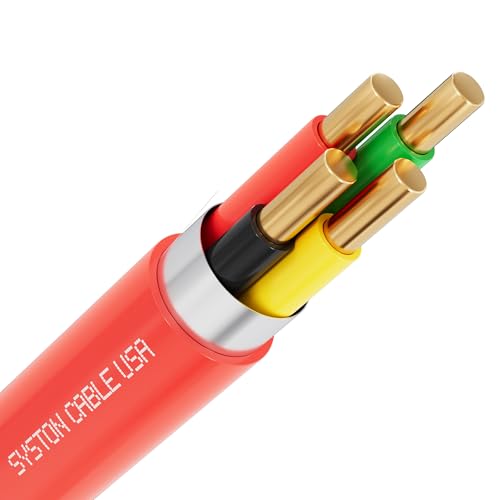
Designed for fire protective signaling circuits, this Syston 18/4 cable employs solid copper conductors and a shield to reduce EMI, ensuring clear signal transmission in sensitive alarm networks. FPLP/CL3P/FT6/CMP ratings enhance safety in plenums and building conduits, while the shielded construction improves signal integrity across longer runs and complex layouts. The jacket is colored to help distinguish circuit types during installation and maintenance.
Key features include: shielding to mitigate EMI, compatibility with indoor/outdoor use, and listings that support reliable operation in critical alarm infrastructures. This cable is suitable for multi-zone signaling, voice announcements, and interconnected detectors within modern security systems.
Syston 18/2 Fire Alarm Cable 100 ft FPLP/CL3P

This Syston 18/2 cable emphasizes pure copper conductors for high conductivity and reliability in fire alarm signaling. It is FPLP/CL3P/FT6/CMP plenum-rated, making it suitable for installation in ceilings and air-handling enclosures used for environmental control. The aluminum foil shielding helps prevent EMI from affecting critical data transmission in complex alarm networks. The red jacket and rip cord aid ease of installation and identification.
Usage notes include: robust performance in plenum spaces, suitability for signaling and alert circuits, and UL/ETL listings that support indoor/outdoor applications. The shielded design provides extra protection against interference in networks that require clean, dependable communication between devices.
EWCS 16 AWG 2/C FPLP Shielded Red

This EWCS 16 AWG shielded FPLP cable combines two solid copper conductors with an aluminum Mylar shield and a 24 AWG tinned copper drain wire. The shield reduces EMI, which is beneficial for high-clarity signaling in fire alarm networks. The jacket is red for easy identification and the unit provides a 300-volt, 75°C rating with a 0.168” diameter and 28 lb per 1000 feet weight. Spool packaging uses a 12” diameter plywood base for straightforward handling.
Production notes include: dual copper conductors, shielded construction for EMI mitigation, and a red jacket that aligns with standard fire alarm installation practices. The shielded design supports more reliable data transmission in complex building systems and long cable runs.
EWCS 18 AWG 2/C FPLR Riser Shielded Red
EWCS offers a 18 AWG, 2-conductor FPLR shielded cable designed for riser installations between floors where fire alarm circuits require robust performance and flame retardance. The shielded jacket reduces EMI and supports reliable signal integrity in multi-layer buildings. A rip cord is included to facilitate stripping, and the red jacket assists with circuit identification in complex installations. The product is made in the USA and features a nominal diameter of 0.155 inches.
Buying Guide: Key Purchase Considerations
- Plenum vs. Riser vs. General Use: Plenum-rated cables (FPLP) are required for air-handling spaces to minimize smoke/toxicity during a fire. Riser-rated cables (FPLR) are suitable for between floors but not in air ducts. Ensure you select the correct rating for the installation path.
- Conductor Material and Size: Solid copper conductors provide reliable signal transmission for fire alarm systems. AWG size (e.g., 18, 16) affects current capacity and physical thickness of the run; larger gauge generally means more robust performance.
- Shielding: Shielded cables mitigate EMI and RFI, improving signal integrity in environments with electrical noise. Shields increase flexibility and reliability for long runs or dense building systems.
- Jacket Color and Identification: Jackets in red or black help distinguish circuit types. Some jackets include rip cords and markings for easier installation and inventory management.
- Listings and Certifications: Look for UL/ETL listings and compatibility with NEC standards (e.g., CMP, CL3P, FT6) to ensure compliance and safety across commercial installations.
- Physical Dimensions and Weight: Diameter and weight per 1000 feet influence ease of pulling cable through conduit and along routes. Heavier cables may require more planning for long runs.
- Compatibility with Devices: Consider whether the cable supports signaling devices, smoke detectors, strobes, pull stations, and addressable control systems in your network.
- Outdoor and Indoor Use: Most fire alarm cables are intended for indoor use; ensure your selected product is appropriate for the environment, especially if exterior exposure is possible.
In selecting a cable, weigh the environment (plenum vs. non-plenum), required flame ratings, shielding needs, and compatibility with your fire alarm architecture. The products listed here provide a range of options for common plenum and riser installations, with variations in shielding, conductor count, and jacket color to fit different installation plans and NEC compliance requirements.