Best Flood Sensors for Basements: Top Protection Picks
Basement flooding can cause costly damage, especially in regions prone to heavy rain or rapid snowmelt. A reliable flood sensor system helps you detect leaks, dampness, and freezing risks early, sending alerts to your phone so you can act fast. This guide reviews five highly-relevant flood sensors that cover basements, bathrooms, and laundry areas, highlighting ease of use, alert reliability, and compatibility with other smart home devices. Use the buying tips below to compare features and pick the best match for your space and monitoring needs.
| Product | Brand | Key Benefit |
|---|---|---|
| Ring Alarm Flood & Freeze Sensor | Ring | Real-time alerts for leaks and low temperatures; integrates with Ring Alarm |
| METAK Water Leak Detectors (5 Pack) | METAK | Multiple sensors for comprehensive basement coverage with loud alert |
| Geevon Water Leak Detectors (2 Pack) | Geevon | Ultra-loud alarms and flexible placement for basements and bathrooms |
| X-Sense Water Leak Detectors (3 Pack) | X-Sense | Wi‑Fi base station with real-time push alerts and shareable access |
| Geevon Water Leak Detectors (4 Pack) | Geevon | Consistent 100 dB alarms and broad placement options |
Ring Alarm Flood & Freeze Sensor
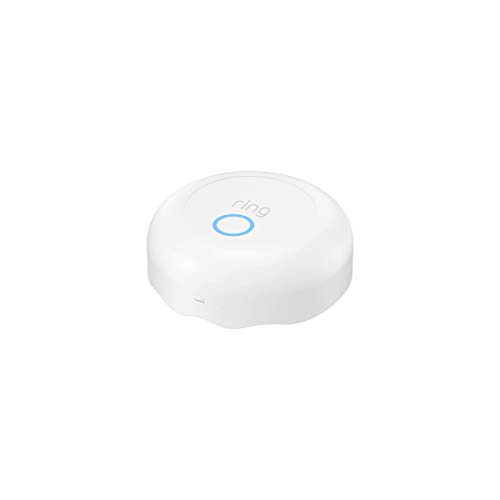
Ring’s Flood & Freeze Sensor is designed for homes already using Ring Alarm. It monitors for both water presence and freezing temperatures, sending real-time alerts to your smartphone when water is detected or temperatures drop below 40°F (4.4°C). Setup is quick and tool-free, which makes it accessible for renters and new homeowners. This sensor thrives in conjunction with the Ring ecosystem, enabling you to view events in a single app and extend your security coverage. Users should note that Ring Alarm System is required for full functionality, and some features depend on a Ring Home subscription.
Key points to consider: (1) Real-time notifications to mobile devices, (2) compatibility with Ring Alarm, (3) freeze-detection for pipes, and (4) 24/7 video integration with Ring cameras if you have the ecosystem. The device is compact and battery-powered, reducing wiring complexity, though full benefits come when used within Ring’s security framework. For basements prone to drafts or cold pipes, this model provides a concise, integrated alert option.
METAK Water Leak Detectors (5 Pack)

The METAK kit focuses on broad coverage with five sensors, suitable for placing around basements, bathrooms, and laundry areas. Each unit features dual front probes and four rear probes to detect leaks across multiple directions. The system emits a loud 100 dB alarm to alert occupants, even from far corners of a basement. Important notes include a lack of built‑in WiFi for the WD60 model, which means no direct app connectivity unless paired with a separate gateway or compatible system. This is a strong, low‑cost multi-sensor option for comprehensive monitoring.
Consider these aspects: (1) Sensor layout flexibility across floors, (2) audible warning level, (3) compatibility limitations without WiFi, and (4) straightforward, battery-powered operation. For basements with several pipes or potential drip sites, a multi-sensor approach can reduce blind spots and speed up response times when leaks occur.
Geevon Water Leak Detectors (2 Pack)
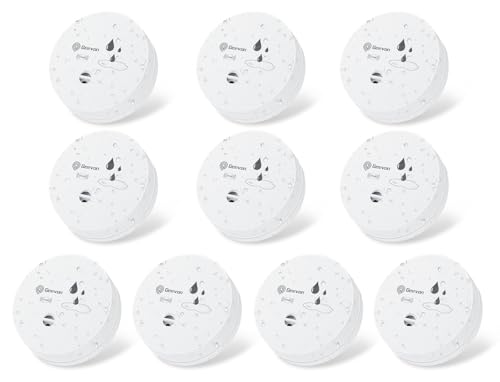
Geevon’s 2-pack provides a robust, battery-powered solution with 100 dB audible alerts designed for basements, garages, and bathrooms. The detectors feature flexible placement with a compact footprint—ideal for tight spaces near sinks, water heaters, or sump areas. The kit emphasizes loud, immediate notification to prevent substantial water damage, with straightforward operation and a simple setup. Buyers should consider room size and noise tolerance in the living space since the alarm can be quite prominent in smaller homes.
Key considerations: (1)placement versatility, (2) alarm loudness, (3) battery reliability, and (4) placement in rooms with limited space. For homes needing quick deployment without extra hubs, Geevon’s compact units deliver reliable local alerts with simple maintenance.
X-Sense Water Leak Detectors (3 Pack)

X-Sense offers a three-pack solution that pairs with a base station for real-time push alerts. The system supports sharing device access with family members, enabling multiple eyes on potential leaks. It operates with a 2.4 GHz Wi‑Fi setup and a base station that triggers alarms across all linked devices. Real-time push notifications help you stay informed while away from home, and the audible alert can reach volumes up to 110 dB. This setup is well-suited for larger homes or multiple basement zones requiring coordinated monitoring.
Important factors include: (1) 2.4 GHz compatibility, (2) base station integration, (3) alert reach and volume, and (4) ease of sharing access with others. If your household uses multiple sensors across rooms, X-Sense can deliver centralized monitoring with quick mobile alerts.
METAK WiFi Water Leak Detector Bundle

This METAK model extends WiFi connectivity with a gateway and multiple WD61 sensors, enabling broader coverage and 24-sensor compatibility. Real-time app notifications help you monitor from anywhere, and the system supports a substantial network for large basements or multi-room layouts. The package emphasizes extended range and scalable monitoring, making it a practical option for homes that require a comprehensive leak-detection grid with centralized control from a single app.
Key purchase considerations include: (1) gateway reliability and network range, (2) scalability to 24 sensors, (3) ease of setup, and (4) compatibility with Tuya/Smart Life ecosystems. For larger spaces or future expansion, this bundle provides a clear path to expand your leak-detection network while preserving prompt alerts.
Buying Guide: Key Purchase Considerations And Comparisons
- Detection scope: Decide whether you need single-sensor versatility or multi-sensor coverage. Basements often benefit from multiple probes around sump pumps, water heaters, and laundry areas.
- Alert mechanisms: Look for loud audible alarms, push notifications, and optional home automation integrations. Decide which combination best fits your home layout and daily routines.
- Power and connectivity: Battery-powered units offer easy installation, but some require a base station or gateway. Consider whether you want WiFi-based alerts, hub-based systems, or a hybrid approach.
- Integration with existing systems: If you already use Ring, Google/Assistant, or Tuya-based ecosystems, prioritize devices that play well within those frameworks to centralize monitoring.
- Placement strategy: Basements can have damp corners and limited visibility. Use a mix of wall-mounted and floor-proximate sensors to cover likely leak zones.
- Maintenance and reliability: Check battery life, sensor sensitivity, and the ease of replacing components. Ensure the product includes clear installation instructions and responsive customer support.
- Scalability: For larger properties, select a system that supports additional sensors and remote access with minimal latency, ensuring timely alerts across all zones.
- False alarm considerations: Some sensors may trigger from humidity or condensation. Choose models with adjustable sensitivity or testing features to minimize nuisance alerts.
Based on coverage, alert reliability, and ecosystem compatibility, the reviewed options provide a spectrum from single-sensor simplicity to expansive, gateway-enabled networks. For basement monitoring, consider starting with a core sensor pair in high-risk areas (near sump pumps and water heaters) and add sensors as needed to eliminate blind spots. Always verify that the selected devices match your home’s WiFi setup and desired alert channels to ensure dependable flood detection and rapid response.