Best Floating Stock Tank Heaters for Winter Livestock Water Supply
Answer: Floating stock tank heaters are designed to keep water accessible in cold weather, preventing livestock from freezing their drinking sources. They are ideal for farmers with outdoor water troughs or ponds who want a low-maintenance, energy-efficient solution. This guide highlights five reliable options, explaining who each is best for and why. The focus is on models that float, or can be used submersibly, with built-in thermostats for automatic operation.
| Product | Best For |
|---|---|
| K&H Pet Products Stock Tank & Pond Heater (500W) | Small to medium tanks; budget-conscious users needing reliable floating/deicer option |
| Farm Innovators 1500W Cast Aluminum Submersible Heater | Prolonged cold snaps; larger tanks; solid aluminum build for rust resistance |
| Farm Innovators 1250W Cast Aluminum Floating Heater | Floating approach with efficient heating; quiet operation |
| API Floating Water Tank Deicer 1500W | Rugged, buoyant enclosure; compatible with various tank materials |
| Allied Precision 7521 Floating 1500W De-Icer | Durable float design; durable heating element; good for larger tanks |
K&H Pet Products Stock Tank & Pond Heater (500W)
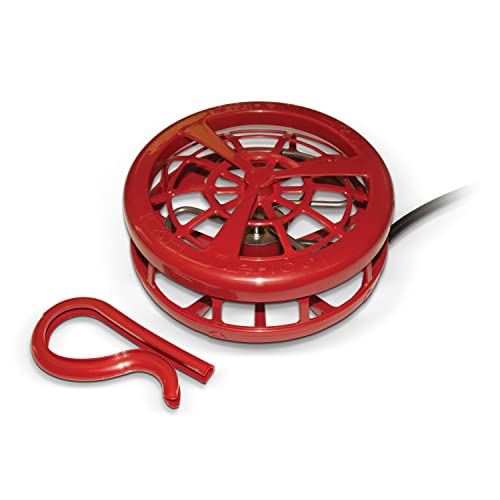
Features include an automatic thermostat that turns the unit on or off to prevent freezing and reduce energy use. It can be used floating on a stock tank or submerged, and comes with a full protective cage and cord clip for secure placement. It is designed for plastic, rubber, and metal tanks, keeping a reliable open drinking area for horses, cattle, goats, and other livestock.
Best for: Small to mid-sized troughs or water tanks where a simple, automatic deicer is sufficient. It is a good choice for buyers seeking a compact, versatile option with a protective cage.
Caution: Ensure the tank is suited to a floating device with safe clearance from tank edges; observe for cord safety in wet environments.
Farm Innovators 1500W Cast Aluminum Submersible Heater

This 1500-watt submersible heater uses a built-in self-regulating thermostat to activate as water approaches freezing, reducing operational costs. Cast aluminum construction resists rust and provides efficient heat transfer. The unit is designed to keep water unfrozen in livestock troughs, ensuring reliable hydration in cold weather.
Best for: Larger livestock operations needing a robust, durable submersible option that maintains an open water surface. Choose this if long-term rust resistance and higher heat output are priorities.
Caution: Submersible deployment requires proper placement to avoid animal interference and ensure adequate water circulation around the heater.
Farm Innovators 1250W Cast Aluminum Floating Heater

Floating on the water surface, this unit keeps a hole in the ice to maintain water access for aquatic life and livestock. It uses patented cast aluminum construction for efficient heating and weather resistance, and thermostatic control ensures operation only when needed to reduce energy use.
Best for: Pond owners or small lagoons where visibility and easy placement matter. It’s a solid pick when you want a floating solution with good efficiency and portability.
Caution: Monitor for debris or ice buildup around the float to maintain optimal operation.
K&H Pet Products Stock Tank & Pond Heater (750W)
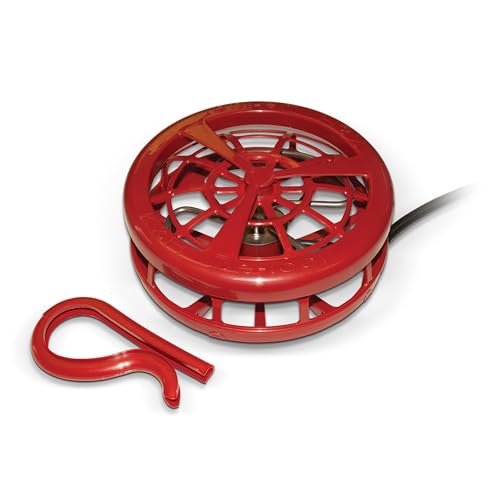
This 750-watt model features the same automatic thermostat control and dual-use capability—floating or submersible—with a full protective cage and cord clip. It remains safe for plastic, rubber, and metal tanks and keeps water accessible for livestock and pond life alike.
Best for: Medium to larger stock tanks where a higher wattage is helpful but a full 1500W unit may be excessive. It provides a balance of power and cost efficiency.
Caution: Like other floating devices, ensure the cage and cord clip are properly secured to avoid entanglement or damage from animals.
API Floating Water Tank Deicer (1500W)

API’s rugged deicer uses a buoyant enclosure to keep the heater at the water surface, conserving energy with a built-in thermostat. It’s compatible with rubber, foam, and plastic tanks and includes a galvanized wire guard for the heating element.
Best for: Users who want a robust, surface-floating design with durable enclosure and compatibility across multiple tank materials. Consider this when tank diversity exists on the farm.
Caution: Ensure the enclosure remains clear of obstruction to prevent buoyancy issues and monitor installation around tank edges.
Allied Precision 7521 Floating 1500W De-Icer

Allied Precision offers a 1500-watt floating de-icer with a durable buoyant enclosure and a stainless steel heating element designed to resist rust and corrosion. The floating design helps maintain a constant water access point and keeps ice from forming around the heater.
Best for: Larger, deeper tanks or ponds where a high-output, float-focused heater is preferred. It is a reliable choice for continuous use in harsh winter conditions.
Caution: Regularly check the float for wear and ensure the heating element remains protected from debris and sediment.
Buying Guide: Choosing the Right Floating Stock Tank Heater
- Tank size and water type: Match wattage and device type (floating vs. submersible) to tank dimensions and material (plastic, rubber, metal).
- Power and efficiency: Higher wattage provides faster ice prevention but uses more energy. Self-regulating thermostats save energy by turning on only when needed.
- Durability and build: Cast aluminum or stainless components resist rust and corrosion in outdoor conditions. Look for protective cages or guards.
- Installation and safety: Floating units require a stable tank edge or anchor; submersible models demand careful placement to avoid animal interference and ensure water circulation.
- Maintenance: Choose designs with accessible cords and guards; inspect cords and housings for wear during winter months.
- Compatibility: Ensure the heater is compatible with your tank material and size; some models support both floating and submersible use.
FAQ
- Do I need a thermostat on a stock tank heater? Yes. A thermostat helps prevent unnecessary energy use by turning the heater off when water is warm enough and on when it approaches freezing.
- Can these heaters be used in plastic and metal tanks? Most models are designed for plastic, rubber, and metal tanks, but always verify product specs for compatibility.
- Is a floating heater better than a submersible one? It depends on tank setup. Floating models are quick to deploy and visible; submersibles provide direct heating but may require careful placement.
- Will a higher wattage heater heat water faster? Generally yes, but thermostatic control moderates energy use; choose wattage based on tank volume and climate.
- What safety features should I look for? Look for a thermostatic control, a protective cage or guard, and a corrosion-resistant housing to ensure durability in cold weather.
- Can I use these in ponds with fish or other aquatic life? Floating deicers help maintain an opening in ice for water exchange, benefiting both livestock and aquatic life, but verify product guidance for your species and tank size.