Best Emergency Power Supply Batteries for Off-Grid and Home Backup
Answering the search intent for reliable emergency power, these select power stations and battery packs are suited for home backup, outdoor trips, camping, and critical devices during outages. Best for compact portability, best for high output needs, and best for off-grid solar use, each option balances capacity, output, and safety features to keep essential gadgets running when power is lost.
| Product | Capacity / Output | Best For | Notes |
|---|---|---|---|
| EnginStar Portable Power Station | 296Wh; 300W AC | Outdoor adventures and CPAP users needing multiple ports | Two 110V pure sine wave outlets; multiport charging; good overall balance |
| SinKeu 600W Portable Power Station | 296Wh; 600W AC (750W peak) | High-demand devices; camping and hurricane prep | Multiple outputs, rapid recharge, robust for heavier loads |
| MARBERO 148Wh Solar Generator | 148Wh; 200W AC | Lightweight, quick outdoor power for weekend trips | Includes foldable solar panel option; compact and portable |
| ZeroKor 100W Portable Power Station | 30,000mAh; 100W | Travel, business on the go, small devices | Real-time display; LED convenience for travel readiness |
| SinKeu 23,400mAh Portable Charger | 65W AC outlet; 86.58Wh | Travelers needing AC power on the small side | Compact, quick recharge, multiple USB outputs |
Below are five product-focused sections to help compare the best emergency power supply batteries for different needs and budgets. Each entry links to the product page for quick access to full specs.
EnginStar Portable Power Station

Capacity and versatility define the EnginStar unit. It provides 296Wh with a 300W continuous AC output and eight ports, enabling simultaneous charging of phones, laptops, cameras, CPAP machines, drones, and more. The device is compact for an all-in-one power pack and includes 110V pure sine wave outputs to protect sensitive electronics. This model is best for outdoor enthusiasts who may need to power multiple devices at once or for CPAP users who require stable night-time power. A limitation to note is the absence of included solar panels; the unit relies on AC, car, or optional solar charging.
Best for: Outdoor trips, CPAP users, and multi-device charging without sacrificing device safety.
SinKeu 200W Portable Power Station

This SinKeu model weighs around 3.5 pounds and offers 42,000mAh capacity with seven outputs, including dual USB ports, a Type-C, and an AC outlet. It’s designed for camping, travel, and basic home backup. The built-in LED lantern adds a practical feature for low-light conditions. A caution is that its solar charging option is not included, so recharging mainly relies on AC or car input. It’s best for light to moderate power needs on the go or in emergencies where you must run small devices at once.
Best for: Compact power for travel, camping, and essential devices during outages.
MARBERO 148Wh Solar Generator

The MARBERO solution emphasizes portability and a solar-ready approach. With 148Wh capacity and multiple output options, it suits weekend camping, road trips, or as a light emergency power kit at home. The included foldable solar panel enhances off-grid capability, allowing recharging via solar energy. It’s best for users who want a lightweight kit that can recharge off the sun, but its lower capacity makes it less ideal for power-hungry devices over extended outages. Choose this if you prioritize environmental charging flexibility and ultra-lightweight transport.
Best for: Quick energy for camping and travel, with solar charging flexibility.
ZeroKor 100W Portable Power Station

The ZeroKor unit focuses on real-time power monitoring with a visible display that shows remaining battery, input, and output watts. Its 30,000mAh capacity and 100W output make it suitable for business travel, short camping trips, and casual home backup. It’s best for users who want transparent power management and an easily portable size. A potential limitation is the lower total energy content, which may require more frequent recharging during outages or heavier workloads.
Best for: Travel-ready power with clear energy monitoring for small devices and light workloads.
SinKeu 23,400mAh Portable Charger
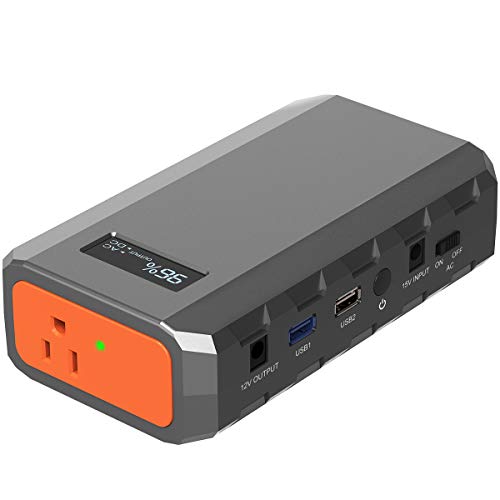
This compact SinKeu model integrates a 65W AC outlet with multiple USB outputs. It is ideal for travelers who need AC power for small laptops, tablets, or phone charging on the go. It recharges relatively quickly and includes an OLED display for status. The main trade-off is its smaller capacity, which means shorter runtimes for higher-wattage devices. It’s a solid pick for short trips or backups where space and weight are critical.
Best for: Lightweight, on-the-go AC power for small devices and travel setups.
Buying Guide: Key Considerations for Emergency Power Supplies
- Capacity vs. needs: Match Wh rating to your typical outage duration and device roster. Higher Wh supports longer runtimes but increases size and weight.
- AC vs. DC outputs: Ensure the unit has the right outlets for essential devices (laptops, CPAP, radios). Pure sine wave inverters are safer for sensitive electronics.
- Portability: Consider weight and form factor for travel or outdoor use. Solar-ready models offer off-grid charging options.
- Recharge options: Look for multiple input methods (AC, car, solar). Fast charging can reduce downtime between uses.
- Safety features: Battery management systems (BMS), short-circuit protection, overcharge protection, and temperature controls improve long-term reliability.
- Display and monitoring: Real-time wattage, remaining capacity, and charging status help manage power usage effectively.
- Use-case alignment: Choose based on whether you need continuous power for critical devices, or occasional power for small electronics during outings.
FAQ
- What size emergency power supply should I choose for a CPAP machine?
– Look for a unit with at least 300Wh and a pure sine wave inverter to protect sensitive medical equipment. - Can I recharge solar generators without panels?
– Yes, most can recharge via AC wall outlets or car ports; solar panels are optional accessories in many models. - What does “pure sine wave” mean for power stations?
– It provides smooth, clean power compatible with delicate electronics, reducing risk of damage. - Is a higher wattage rating always better?
– Not always; higher wattage supports heavier devices but adds weight and cost. Choose based on your main devices and outage length. - Are these units safe for outdoor camping?
– Most are designed for outdoor use and include protection features; always follow manufacturer guidelines and avoid exposure to moisture beyond ratings. - Do these products require maintenance?
– Basic maintenance includes keeping batteries within recommended temperature ranges and occasional full discharge and recharge cycles to maintain life.