Best Emergency Battery Backup Power Solutions for Homes and Outdoors
When outages strike or you’re off the grid, a reliable emergency battery backup power source is essential. This guide highlights top portable power stations and UPS units designed to keep phones, laptops, CPAP machines, lights, and small appliances running. Each option balances portability, capacity, and safety features to help you choose the right fit for home backup, camping, travel, or work contingencies.
The following quick-reference table summarizes five standout products, focusing on capacity, output, and primary use case. Use this table to compare at a glance before diving into individual product details.
| Product | Brand | Capacity | Output | Best For |
|---|---|---|---|---|
| EnginStar Portable Power Station 300W 296Wh | EnginStar | 296Wh | 300W AC + DC & USB | CPAP, phones, laptops, outdoor use |
| MARBERO Portable Power Station 88Wh | MARBERO | 88Wh | AC/USB/USB-C PD | Compact camping and short trips |
| Jackery Portable Power Station Explorer 300 | Jackery | 293Wh | 2× AC, PD USB-C, USB-A, DC car port | Outdoors, travel, multi-device charging |
| CyberPower ST425 Standby UPS | CyberPower | 260W | 8 outlets (mixed backup and surge) | Home office and entertainment |
| APC BE600M1 Back-UPS | APC | 330W | 7 outlets (5 battery backup) | Home office essentials and devices |
EnginStar Portable Power Station 300W 296Wh

EnginStar’s compact power station combines portability with robust output. With a weight around 6.5 pounds and dimensions of 9 x 5.5 x 7.5 inches, it provides 296Wh of capacity and a 300W AC output. Eight ports allow simultaneous charging of multiple devices, including phones, laptops, cameras, CPAP machines, and small drones. A 110V pure sine wave AC inverter supports sensitive electronics, while two regulated DC outputs (12V/24V) power DC appliances like mini-fridges or car vacuums. The built-in battery management system enhances safety by monitoring voltage and temperature, enabling safe operation and long life, with lithium-ion cells rated for many recharge cycles.
Key features include multi-port charging, ETL certification, and a focus on safety. It’s designed for outdoor use, camping trips, and emergency backup scenarios where a steady, quiet power source is beneficial. The battery’s 1000+ cycle life helps ensure long-term reliability, though users should manage discharge levels to optimize longevity. This unit pairs well with CPAP machines and electronics requiring stable power in the absence of grid access.
MARBERO Portable Power Station 88Wh

This MARBERO model emphasizes compact, lightweight design with an 88Wh capacity and up to 120W peak power. It can be recharged from a wall outlet or, when paired with a solar panel, used for outdoor adventures. With eight output ports, it supports multiple devices at once, including USB-C PD, USB-A, and two AC outlets when the unit is charged. The built-in battery management system enhances safety during charging and discharging, providing reliable backup power for camping, RVs, or home use during short outages. It’s particularly suitable for travelers who prioritize portability and quick recharging capabilities.
What to consider: charging speed, solar compatibility, and duty cycle. The device excels as a quick-charge companion for smartphones and tablets, with efficient USB-C PD charging achieving rapid top-ups. The compact form factor makes it easy to slip into a bag or vehicle, but capacity is best suited to essential devices and short-duration needs rather than heavy, continuous power.
Jackery Portable Power Station Explorer 300
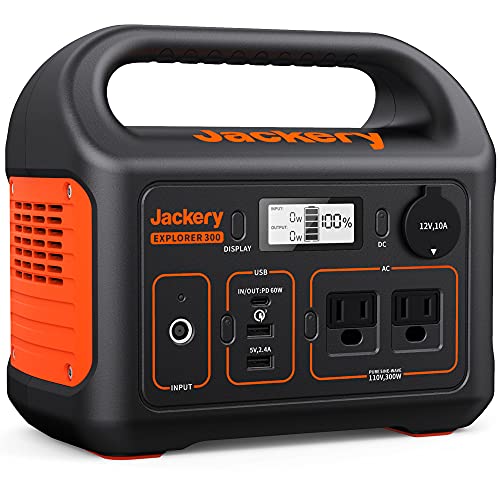
The Jackery Explorer 300 delivers about 293Wh of lithium-based energy and a 300W pure sine wave inverter, making it suitable for a wide range of devices, from laptops to cameras to small appliances. It recharges quickly: up to 80% in about two hours via wall outlet and PD USB-C. Weighing around 7.1 pounds, it remains portable for camping or road trips. The output lineup includes two AC outlets, a PD USB-C port, USB-A, and a DC car port, allowing a small ecosystem of devices to run in parallel. The unit’s design emphasizes safety, stability, and ease of use for off-grid adventures and blackout contingencies.
Use cases include camping, travel, and emergency backup for home offices or media setups. Its modular nature means you can scale with additional accessories like solar panels. Consider its weight and port availability when planning long trips where you may need to carry the unit by hand or in a small vehicle.
CyberPower ST425 Standby UPS

The CyberPower ST425 is a standby UPS designed to protect home offices and entertainment systems from power interruptions. It provides 425VA/260W of simulated sine wave output and eight outlets, with a mix of battery backup and surge protection. This unit is well-suited for keeping essential devices—such as computers, routers, and gaming consoles—online during outages, while safeguarding sensitive equipment from surges. The LED status indicator helps users quickly assess power conditions and any wiring faults. Its compact form supports placement on desks or shelves in residential settings.
Consider its intended role: this UPS prioritizes critical devices and a smoother transition during outages rather than providing high-widelity energy for heavy loads. It’s a reliable, cost-effective choice for home offices, media centers, and network equipment where uninterrupted operation is important but total sustained power needs are modest.
APC BE600M1 Back-UPS
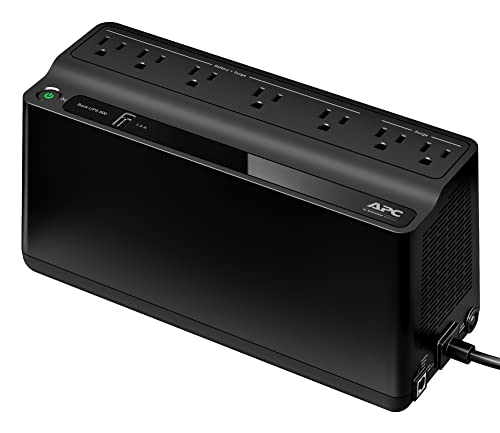
The APC BE600M1 Back-UPS offers 600VA/330W of backup power with seven outlets, of which five provide battery backup and two offer surge protection only. A USB charging port adds convenience for smartphones and small devices. This unit is a practical solution for ensuring critical electronics stay powered during outages, especially in home offices and living spaces where automatic switch-to-battery behavior minimizes data loss and downtime. The design emphasizes reliability, with APC’s well-known protection features and a compact footprint suitable for desks or media cabinets.
Buying decisions should weigh the balance between capacity, number of battery-backed outlets, and the specific devices you intend to protect. If you rely on a desktop PC, router, and essential peripherals, a larger backup with multiple battery-backed outlets can prevent workflow disruptions during short-term outages.
Buying Guide: Key Considerations For Choosing Emergency Power Backup
When selecting an emergency battery backup, consider capacity, output type, portability, and safety features. For home use, a UPS with enough wattage to sustain essential devices through outages is critical. For outdoor and travel needs, prioritize compact design and efficient charging options, including USB-C PD. If you rely on a CPAP or other medical device, ensure the unit provides consistent sine-wave power and sufficient runtime.
Important factors to compare include:
- Capacity and runtime: Higher Wh or Ah means longer operation. Match capacity to your most critical devices.
- Inverter type: Pure sine wave inverters are smoother and safer for sensitive electronics than modified sine wave.
- Ports and versatility: A mix of AC outlets, USB-C PD, and DC can broaden compatibility with laptops, phones, cameras, and small appliances.
- Recharge options: Solar compatibility can extend uptime during outdoor use or emergencies where grid access is unavailable.
- Portability vs. power: Heavier units offer more capacity; lighter units excel for travel and camping when you must carry them.
- Safety features: Battery management systems, overcharge protection, temperature monitoring, and short-circuit safeguards extend lifespan and safety.
In summary, the best choice depends on how you plan to use the backup power. For high-load needs and home backup, a larger UPS or portable power station with multiple battery-backed outlets is ideal. For casual outdoor use or quick outages, a compact power station with USB-C PD can quickly recharge your devices.