Best Rigid Metal Conduit Solutions for Safe, Durable Electrical Runs
When selecting rigid metal conduit (RMC) components, aim for weather resistance, easy maintenance, and reliable fittings that fit standard conduit sizes. This guide highlights top options for outdoor, wet, and indoor installations, helping buyers choose based on environment, accessibility, and durability. The featured products cover hubs, conduit bodies, nipples, and mounting accessories suited for 1/2″ and 3/4″-style rigid conduits. Best for contractors, facility managers, and DIYers tackling channel runs that demand water-tight, secure connections.
| Product | Best For | Key Benefit |
|---|---|---|
| Electrical Conduit Water Tight Hub Outdoor Rated | Outdoor enclosures | Water-tight seal for wet locations |
| Sigma ProConnex 02-55641LB | Accessible conduit maintenance | Removable aluminum cover for interior access |
| TayMac RLL200 LL Type Conduit Body | Flexible conduit routing | 90-degree turns with easy maintenance |
| Sealproof LB Conduit Body (3/4″) | Outdoor durability | Gasket and gasket seal for watertight runs |
| Sigma ProConnex 44360 Nipple | Extending runs/connecting boxes | Rigid conduit extension between boxes |
Electrical Conduit Water Tight Hub Outdoor Rated Rigid Threaded Conduit Hub
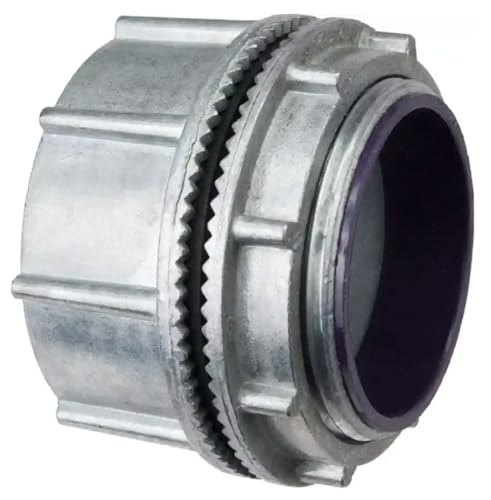
Best for outdoor or wet-dry interior locations where a threadless enclosure opening must stay water-tight. This hub is UL Listed and enables connection of rigid metal conduit or IMC to a threadless opening, offering reliable sealing in harsh environments. It is suitable for installations that require a water-tight seal around conduit-to-box connections, both indoors and outdoors.
Best for buyers who prioritize moisture resistance and simple assembly in exposed areas. Limitations include compatibility with specific enclosure openings and potential need for compatible mating fittings to ensure a complete seal in extreme environments.
Sigma Engineered Solutions ProConnex 02-55641LB Rigid Type Lb Conduit Body

Best for easy conduit maintenance and clean interior access. This Type LB conduit body features a removable aluminum cover, allowing pull or access to interior conductors. Construction is aluminum die-cast with a stamped cover and rubber gasket, facilitating straightforward maintenance while resisting corrosion. It is well-suited for runs where you anticipate taps or splices at the chase.
Choose this when frequent access to the interior of the raceway is needed. A limitation is that some environments may require additional weatherproofing beyond the gasket seal to address prolonged exposure to moisture or chemicals.
TayMac RLL200 Threaded LL Type Conduit Body

Best for easy maintenance and routing of rigid conduits. The LL-type conduit body uses a die-cast aluminum enclosure with a stamped steel cover and corrosion-resistant powder coating. It accommodates threaded rigid conduits and provides a simple path for pulling conductors, ideal for runs that need a clean change of direction without disassembly.
Better for long-term outdoor use due to aluminum construction. A caveat is ensuring the exact conduit size matches the body’s dimensions to prevent fit issues in tight spaces.
Sealproof Weatherproof Aluminum LB Conduit Body

Best for outdoor installations needing rugged weather resistance. This LB conduit body is die-cast aluminum with a powder-coated finish, designed for rigid or IMC conduits. It includes a stamped aluminum cover and a gasket for a watertight seal, enabling a 90-degree turn while maintaining a secure pull point. Ideal for exterior conduits exposed to rain, sun, and varying temperatures.
Choose this if you require a robust outdoor option with a gasket-sealed cover. Limitation: ensure the gasket remains intact over time; replace if it shows signs of wear to preserve seal integrity.
Sigma ProConnex 44360 Rigid Threaded Nipple (2-Pack)

Best for extending a run between boxes or enclosures in rigid conduit installations. This 1/2-inch threaded nipple fits IMC or rigid conduit, enabling connections between metal outlet boxes when used with locknuts. Sold in a 2-pack, it’s a practical choice for mid-span connections in small projects or multi-box configurations.
Choose this when you need a quick extension between fittings. A limitation is that it is sized for 1/2-inch conduit; mismatched sizes require a different nipple to ensure proper threading and sealing.
Buying Guide: Key Considerations For Rigid Conduit Components
Material and finish: Aluminum, steel, and die-cast aluminum options vary in weight, corrosion resistance, and stiffness. For outdoor or damp locations, aluminum or powder-coated finishes reduce rust risk.
Sealing and weatherproofing: Gaskets, stamped covers, and properly rated hubs ensure watertight performance in wet environments. Verify NBR or rubber gaskets’ compatibility with your conduit type and exposure conditions.
Conduit compatibility and sizing: Confirm the conduit size (commonly 1/2″ or 3/4″) matches fittings like LB bodies, nipples, or hubs. Mismatches can impair connections and permit leaks or movement.
Maintenance access: Products with removable covers (like ProConnex 02-55641LB) facilitate pulling and splicing. Consider ease of maintenance when selecting conduit bodies for long-term installations.
Installation environment: Outdoor, underground, or wet-dry indoor locations require robust, corrosion-resistant components. For corrosive or chemical environments, select fittings with superior corrosion resistance and seals.
Ease of installation: Look for sets that include gaskets, stamped covers, and compatible locking hardware. Some items are sold as bundles (e.g., nipples in packs) which can lower project costs and simplify ordering.
Frequently Asked Questions
- What is rigid metal conduit best used for?
Rigid metal conduit is used for durable, long-lasting electrical runs, especially in areas exposed to moisture, physical impact, or outdoor environments where protection of conductors is critical.
- Do I need a gasket with LB conduit bodies?
Yes, gaskets help seal the cover to reduce moisture intrusion. Ensure the gasket material is suitable for the installation environment.
- Can I mix aluminum and steel conduit components?
While physically possible, mixing different metals can cause galvanic corrosion in certain environments. Use compatible materials in the same run or provide protective barriers.
- How do I choose the right nipple size?
Select nipples that match the conduit size and the enclosure threading. A mismatched nipple can cause poor threading and potential leakage.
- Are conduit hubs necessary for wet locations?
Hubs that provide water-tight connections are highly recommended for wet locations to maintain enclosure integrity and safety.
- What maintenance considerations exist for conduit bodies?
Regularly inspect covers and gaskets for wear. Replace as needed to maintain a watertight seal and ease of access for pulls and splices.