Best Electrical Cable Pulling Equipment for Smooth, Safe Wiring Projects
The top choice for electricians and DIYers is gear that makes pulling wires through conduits faster, safer, and less tiring. This article highlights five standout options and explains who they’re best for, along with practical buying tips. Whether you’re running cables through tight walls or long conduit runs, these tools are designed to reduce friction, prevent damage, and improve overall efficiency.
Summary of chosen products
| Product | Best For | Key Strength | Notes |
|---|---|---|---|
| FTIHTRY 45FT Fiberglass Running Wire Kit | Pro electricians and DIYers needing long reach | Long extension up to 45 ft with multiple attachments | Low-friction fiberglass, versatile attachments |
| Boeray 50FT Fiberglass Running Kit | Long pulls with modular extensions | Up to 50 ft with modular rods | Glow rods, easy extension |
| GRELEDIY Reel Electrician Tools | Single-person heavy pulls | 1000-lb capacity with drill power | Adjustable boom, portable |
| Southwire 104 Pull-It | Wiring projects with built-in rollers | Built-in rollers for easy feeding | Standard professional-grade tool |
| Boeray 11′ Fiberglass Rod Kit | Smaller spaces with flexible kit | Extends up to 11 ft with case | Multiple attachments and extendable |
FTIHTRY 45Ft Fiberglass Running Electrical Wire Kit

Best for: Electricians who need long reach and a complete set. This kit provides 45 feet of fiberglass rods with eight attachments, including brass connectors and a magnetic head. The low-friction fiberglass reduces binding through turns and joints, improving glide through conduit.
Why selected: It combines long extension with a broad attachment set, enabling flexible routing and retrieval in complex runs. The included rods connect for extended length, and the kit emphasizes wear resistance and corrosion protection.
Limitations: Setup requires careful assembly; avoid forcing the rod through tight sections to prevent damage. Extension length depends on rod connection quality.
GRELEDIY Reel Electrician Tools
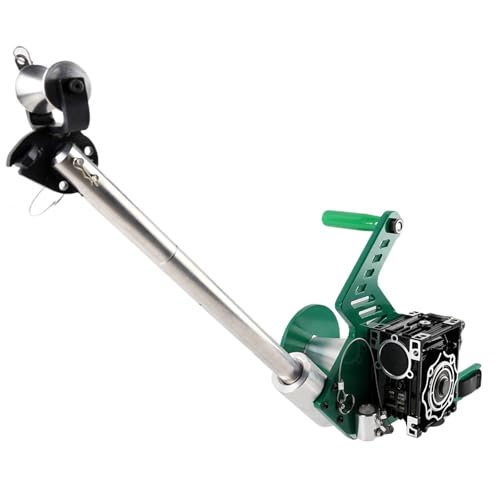
Best for: Professionals performing heavy-duty pulls with drill-powered assistance. This tool uses an 18V–20V drill to generate up to 1000 pounds of pulling force and includes an adjustable boom for pulling from multiple directions.
Why selected: Its drill-powered design increases speed and reduces manual labor, making it ideal on large jobs or when one person handles the pull. The tapered capstan helps unload rope or poly line quickly.
Caution: Note that the 1-inch rigid conduit for monopod extension is not included, so plan accessories accordingly to achieve optimal reach.
Southwire 104 Pull-It

Best for: On-site workers seeking built-in rollers to feed wire with less friction. The Pull-It is designed to reduce hand fatigue and help guide wire through conduits efficiently.
Why selected: Built-in rollers streamline wire feeding, saving time and minimizing wire damage during pulls. It’s a straightforward, professional-grade option for standard wiring tasks.
Limitation: May be less adaptable for very long runs compared to modular rod systems; best used for typical distribution or run-size projects.
Boeray 50FT Fiberglass Kit

Best for: Those needing extra-length, flexible pulls in larger projects. This kit extends up to 50 feet with 36 fiberglass rods, offering options to join rods for longer runs.
Why selected: The glow rods, multiple attachments, and carrying case provide practical storage and modularity for different job sites. The fiberglass material lowers risk of binding and reduces fatigue during long pulls.
Limitation: Longer rods can be cumbersome in tight spaces; avoid forcing components through small conduits to prevent damage.
2 Pcs 1/2 Inch Wire Pulling Grip Socks

Best for: Electricians handling lighter to medium cables where precise grip is important. These stainless steel puller socks support up to about 1/2 inch cables with corrosion resistance.
Why selected: Provides a reliable, compact option when a full kit is not necessary. The grip socks are easy to deploy and remove, aiding quick transitions between pulls.
Limitation: Size limits may exclude larger cables; verify diameter before use to ensure compatibility.
Abeicy 1 Pack Steel Wire Pulling Roller

Best for: Projects using 4” electrical junction boxes where a built-in guide improves pulling precision. The tool helps maintain organized routing and steady tension.
Why selected: The steel roller provides stable, hands-free pulling within box enclosures, helping to achieve a clean wiring layout.
Limitation: Primarily intended for use with standard 4” boxes; not optimized for very long conduit runs without additional support.
Buying Guide: How To Choose The Right Cable Pulling Equipment
- Length and reach: Do you need a long extension (over 30 ft) or a compact kit for tight spaces? Longer sets are best for commercial runs, while shorter kits suit residential wiring.
- Material and durability: Fiberglass rods reduce binding and are more flexible than metal rods in many conduit runs. Stainless steel grips resist corrosion for long-term use.
- Power-assisted vs manual: Drill-powered pullers can dramatically increase speed and reduce fatigue on heavy pulls but require compatible drills and more setup.
- Attachments and versatility: Look for kits with multiple connectors, hooks, and heads to adapt to turns, joints, and different cable types.
- Portability and storage: Carrying cases and modular components help keep tools organized on job sites with limited space.
- Safety and handling: Avoid forcing rods through tight bends. Use proper PPE and test cable tension carefully to prevent damage to conduits or cables.
Frequently Asked Questions
- What is the main benefit of fiberglass fish tape kits?
– They offer low friction and flexibility, reducing binding in conduit turns and joints. - Can I use drill-powered tools for any cable pull?
– They work with compatible drills (18V–20V) and are best for heavy or long pulls. - Are built-in rollers necessary for pulling wires?
– They reduce friction and hand fatigue, especially on repetitive pulls, but are not required for every job. - How do I ensure the kit fits my conduit size?
– Check rod length, diameter, and any included adapters; measure conduit dimensions before purchasing. - When should I extend the length with additional rods?
– Use modular extensions for longer runs or to reach distant pull points; avoid forcing rods beyond designed endpoints.