Best Electric Water Heaters 220V for Quick, On‑Demand Hot Water
If you’re shopping for a 220V electric water heater, you want quick, on‑demand hot water that fits your space and budget. This guide highlights five reliable 220V models, designed for under‑sink or point‑of‑use setups, bathrooms, kitchens, and compact apartments. Each option is suitable for different needs, from single‑room use to small households. Read on to compare which heater matches your water flow needs, space, and electrical setup.
Overview of the chosen products:
- OVAS HOO Instant Hot Water Heater, 5500W, 220V – best for rapid showers and compact installations.
- sanheshun 6000W 220V Tankless – great for versatile kitchens and bathrooms with LED display.
- GE 18 Gallon Versatile Electric Water Heater – best for tight spaces and small households.
- Rheem 8kW 240V Tankless – reliable for steady single‑bath or kitchen use with self‑modulating power.
- APUS 4500W 240V Tankless – best for ultra‑compact under‑sink setups with precise control.
OVAS HOO Instant 5500W Electric Water Heater

The OVAS HOO unit operates at 5500W on a 220V circuit, making it ideal for rapid hot water delivery in showers, kitchens, or RV setups. It ships with 10 AWG cord and G1/2″ ports, simplifying wiring and installation for homeowners who prefer a straightforward upgrade. The device offers a °C/°F toggle and a fixed heat range from 86°F to 131°F, helping users dial in comfortable temperatures quickly. Best for: quick, on‑demand hot water in single‑point installations or small spaces where space is at a premium. Caution: ensure your electrical panel and breaker are rated for ≥32A to avoid overloading circuits.
sanheshun 6000W 220V Tankless With LED Display
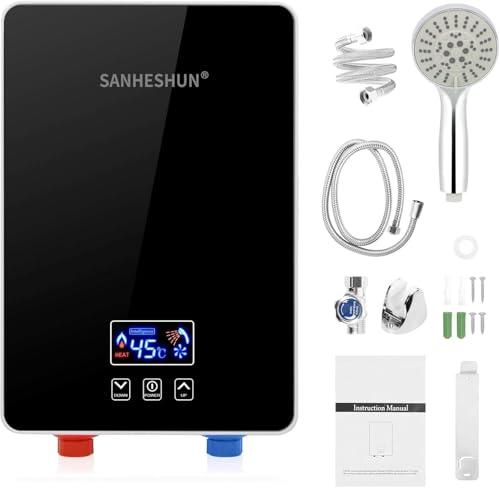
This 6000W 220V model emphasizes safety and ease of use. It features IPX4 waterproofing, leakage and dry‑heat protection, automatic shutoff when overtemperature, and an LED temperature display. It’s designed for under‑sink or wall installations in bathrooms, kitchens, or laundry areas. Best for: households needing reliable, compact hot water with clean digital readouts. Caution: ensure proper venting and electrical connections per guidelines to maintain safety and performance.
GE 18 Gallon Versatile Electric Water Heater

The GE lowboy model is designed for tight spaces while delivering hot water for a small household of 1–2 people. Its easy setup leverages standard connections, making it a practical replacement for older units. Best for: apartments or small homes where height constraints require a compact water heater. Caution: this model is sized for modest hot water demand; households with higher usage may benefit from a larger unit.
Rheem 8kW 240V Tankless Electric Water Heater
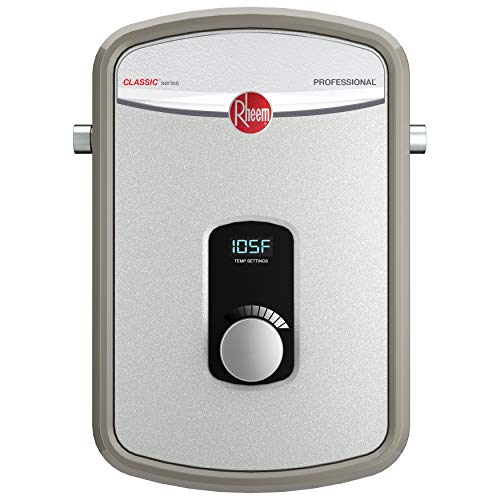
The Rheem model offers an adjustable temperature display with self‑modulating power control, delivering up to 1.95 GPM. It’s designed for steady single‑bath or kitchen water use and aligns well with homes needing a compact option that adapts to demand. Best for: users who want consistent, adjustable hot water with energy‑efficient operation. Caution: higher flow scenarios may require higher wattage or multiple units for adequate supply.
APUS Tankless 4500W 240V Under Sink Heater
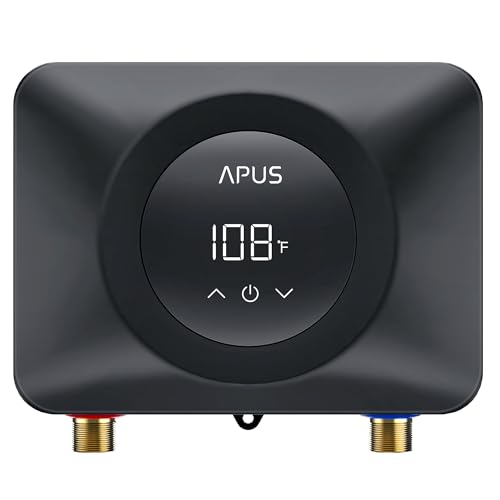
The APUS 4500W unit offers instant hot water with a wide 85–131°F range and a compact footprint ideal for under‑sink installs. It uses self‑modulating technology to optimize energy use, reducing waste by heating water only as needed. Best for: apartments, small kitchens, or bathrooms where space is at a premium. Caution: performance may be limited in colder climates where incoming water is very cold, affecting output at higher flow rates.
Buying Guide: Key Considerations for 220V Electric Water Heaters
- Power and flow: Higher wattage yields hotter water faster but demands a robust circuit. Match 5500–6000W units to 220V circuits with appropriate breakers (often 32A or more) and suitable wire gauge.
- Size and installation: Consider space constraints and whether you need a point‑of‑use under‑sink unit or a compact wall‑mounted model. Lowboy designs fit tight spaces but may have lower overall output.
- Water temperature management: Look for adjustable temperature ranges and easy to read displays. Self‑modulating systems can save energy by matching heat output to demand.
- Safety features: Leakage protection, dry‑fire protection, and automatic shutoff improve safety in bathrooms and kitchens. IP ratings matter if the unit is installed near water sources.
- Installation considerations: Some units come with required cords or port sizes; others require professional wiring. Check port sizes (G1/2” is common) and wiring requirements before purchasing.
- Energy efficiency: Tankless systems generally save energy by avoiding standby heat. Compare efficiency claims and real‑world performance based on your typical hot water usage.
Frequently Asked Questions
- Do 220V tankless heaters require professional installation?
– Many do, due to circuit, wiring, and safety requirements. Check local codes and the unit’s manual before wiring a new breaker. - What is “self‑modulating” power control?
– It adjusts energy use based on water flow and temperature to reduce waste and improve efficiency. - Can these units supply hot water for multiple fixtures at once?
– Most point‑of‑use heaters are best for single fixtures or small demand. For simultaneous use, consider higher wattage or multiple units. - Are higher wattage models safer?
– Safety depends on proper installation and a dedicated circuit. Higher wattage requires robust wiring and a compatible breaker. - What maintenance is required?
– Regular inspection of connections, flushing to remove mineral buildup, and monitoring for leaks help sustain performance. - What should I watch for in a cold climate?
– Incoming water temperature affects output. In cold climates, you may need higher wattage or multiple units to maintain desired temperatures.