Best Electric Water Control Valves for Home and Small Irrigation Systems
Answer: For reliable, quick-acting water control, these five electric valves provide precise shutoff and flow management across home plumbing, irrigation, and equipment setups. Best fits include DIY homeowners, small irrigation installers, and property managers seeking energy-efficient, durable brass valves with dependable actuation. The following selections balance compact size, compatibility, and robust materials to suit different low- to medium-pressure applications.
| Product | Best For | Key Benefit |
|---|---|---|
| U.S. Solid 3/4″ Brass Electric Solenoid Valve | Non-potable, high-temp or fuel-focused projects | Fast 1-second actuation; durable brass; Viton seal |
| Motorized Smart Valve Actuator (Valve Sold Separately) | Remote control and automation fans | WiFi & Bluetooth control; timer features |
| Beduan Brass Electric Solenoid Valve, 1/2″ | Compact, basic water control | Durable brass, copper coil; 12V DC |
| DEWIN 3/4″ DC 24V Solenoid Valve | Precise water regulation | Steady-flow valve; corrosion-resistant brass |
| U.S. Solid 3/8″ Brass Electric Solenoid Valve | Compact, low-power applications | Low-power coil; Viton seal; robust brass |
U.S. Solid 3/4″ Brass Electric Solenoid Valve

Best for high-temp, non-potable or fuel-related projects. Material: industrial-grade brass; corrosion-resistant and weld-friendly. Seals use Viton for high-temperature and chemical resistance. Actuation is rapid, opening or closing in under one second when energized or de-energized. Not suitable for drinking water or potable water systems. Best for industrial or outdoor configurations where fuels, air, or non-potable fluids are present. Recommended for projects where longevity is a primary concern and maintenance is well-managed.
Who this is for: contractors and DIYers handling non-potable fluids, fuels, or air lines requiring a robust, fast-actuating valve. Limitation: brass composition and Viton seals mean it should not contact potable water.
Motorized Smart Valve Actuator (Valve Sold Separately)
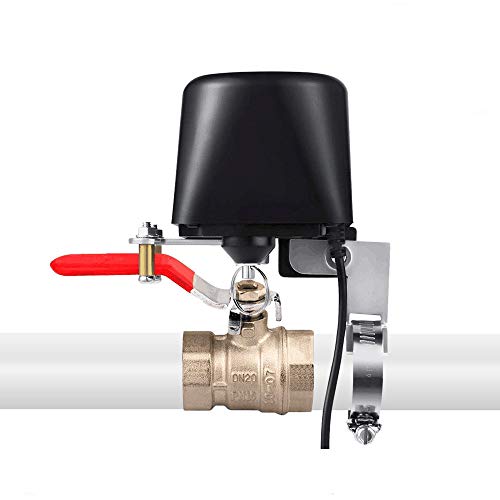
Best for automation enthusiasts seeking remote control and timing. This actuator works with Tuya Smart/Smart Life apps and supports Alexa, Google Assistant, and routine scheduling via a 2.4GHz WiFi connection. Alignment is critical: pivot points must align precisely to ensure reliable operation and to avoid mechanical stress. No hub is required, and app setup enables remote on/off control and timer-based operation. Caution: improper alignment can reduce actuation force and damage the unit.
Who this is for: homeowners or property managers looking to automate irrigation or water shutoff without a hub. Limitation: installation requires careful alignment and app familiarity.
Beduan Brass Electric Solenoid Valve, 1/2″

Best for compact installations requiring dependable simple control. This 1/2″ valve uses brass construction and a copper coil, which enhances durability and electrical reliability. It is rated for DC 12V operation. Use this for small-scale water, air, or gas lines where space is limited. Caution: not ideal for potable water projects due to brass chemistry and unspecified sealing for drinking applications.
Who this is for: small DIY projects and tight spaces; better for non-potable or controlled air/gas lines. Limitation: not a potable-water-rated device.
DEWIN 3/4″ DC 24V Brass Electric Solenoid Valve

Best for precise water control with steady flow. The brass body provides durability and corrosion resistance; the design includes a flow-regulating feature for stable output. Suitable for systems needing consistent flow and responsive shutoff with 24V DC operation. Limitation: electrical requirements are 24V DC; ensure compatibility with existing controllers or relays.
Who this is for: irrigation, small-scale water systems, or processes needing a steady, controllable flow. Choose this if you need a reliable, flow-stabilized valve and have 24V control options.
U.S. Solid 3/8″ Brass Electric Solenoid Valve

Best for compact installations requiring low power consumption. It uses a redesigned low-power coil offering up to 50% less heat generation, starting at 19W and dropping to 10–13W as it heats to operating temperature. The valve uses brass for durability and Viton seals for chemical and temperature resistance. Not suitable for drinking water or potable water systems. Caution: still requires careful electrical design to prevent overheating in continuous duty scenarios.
Who this is for: compact, low-power valve needs in non-potable or high-temperature environments. Limitation: not potable-water-rated.
Smart Valve Controller
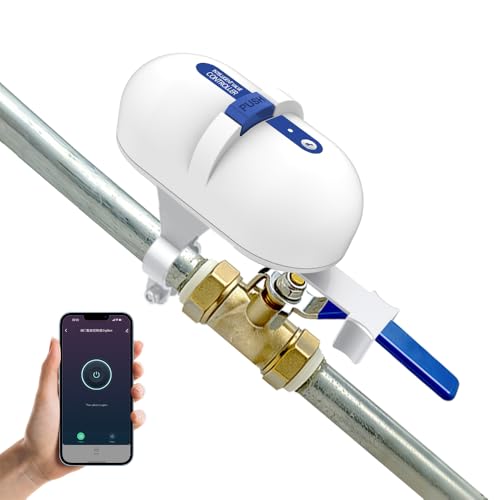
Best for hands-free and voice-enabled control without a hub. The controller connects directly via 2.4 GHz WiFi and supports Smart Life/Tuya Smart app, Alexa, and Google Home for remote shutoff. It’s compatible with 1/2″ to 1″ piping. Caution: ensure stable WiFi coverage for reliable operation; no hub may affect advanced automations in complex setups.
Who this is for: users seeking easy remote control and smart home integration for domestic water shutoffs. Limitation: requires WiFi and app setup; some users may want a dedicated smart home hub for broader automation.
Hunter PGV 1″ Sprinkler Valve
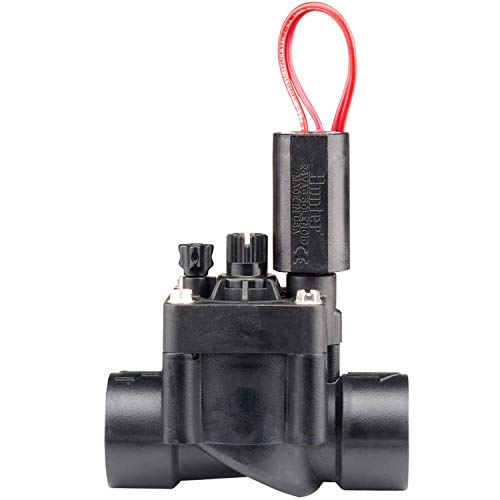
Best for irrigation zones with built-in flow control. The 1″ NPT female threading provides compatibility with standard PVC installations. The 24V AC solenoid is ready to work with common irrigation timers, enabling automated valve activation across zones. Caution: ensure compatible wiring and control signals for consistent operation in outdoor environments.
Who this is for: landscape irrigation installers and homeowners upgrading or configuring multiple zones. Limitation: designed for irrigation systems; not a general-purpose potable water valve.
Buying Guide
What should I consider before choosing an electric water valve?
Material: Brass valves offer durability and heat resistance, but some fluids are not potable; check compatibility with your fluid type. Seals: Viton seals provide chemical resistance and higher temperature tolerance.
What voltage and power considerations matter?
Coil voltage varies (12V, 24V DC, etc.). Higher efficiency coils reduce heat and power usage. Ensure your power supply matches the valve coil rating and your control system’s capabilities.
Is flow control or precision more important?
Some valves include steady-flow features or built-in regulators, helpful for consistent output. For irrigation, ensure compatibility with your zone controller and desired flow rates.
Do I need smart home integration?
Smart valve controllers enable remote shutoff and automation. If you want voice control or app-based scheduling, choose a valve with a compatible controller and clear setup steps.
Installation and maintenance considerations?
Proper alignment (for actuators) and clean connections reduce failure. Brass valves tolerate higher temperatures and fluids but avoid potable-water contact unless rated for drinking water. Plan for routine inspections and seal replacements as part of maintenance.
Quick comparison of key factors
- Best for non-potable or fuel fluids: U.S. Solid 3/4″ and 3/8″ models
- Best for remote control and schedules: Motorized Smart Valve Actuator and Blindsmart Smart Valve Controller
- Best for compact spaces: Beduan 1/2″ and U.S. Solid 3/8″
- Best for steady flow and 24V systems: DEWIN 3/4″ DC 24V
Frequently asked questions
- Can these valves handle drinking water?
Most listed models are not intended for potable water unless specifically rated for drinking water applications. Verify the material and seal compatibility before use.
- Do I need a hub for smart valve controllers?
No hub is required for the listed wireless controllers; they connect via WiFi and app control. Some setups may benefit from a smart home hub for broader automation.
- What maintenance is typical for brass solenoid valves?
Regular inspections of seals and connectors, periodic coil checks, and ensuring no leaks or corrosion will help extend life.
- How do I choose the right coil voltage?
Match the valve coil rating (12V, 24V, etc.) to your power source and control system. Incompatibility can prevent operation or cause overheating.
- Are these valves suitable for irrigation only?
While several are well-suited for irrigation, many are designed for broader fluid control. Check fluid compatibility and pressure ratings for your system.