Best Electric Roller Blind Motors for Smooth, Smart Shades
Finding the right electric roller blind motor can transform manual shades into convenient, remote-controlled window coverings. This article highlights five versatile options from Rollerhouse and related brands, focusing on compatibility with standard 1.5″ (38 mm) tubes, ease of installation, and smart home integration. Whether you want battery-powered freedom or wired reliability, these motors cover a range of setups—from RV replacements to full home automation. Read on to compare features, installation notes, and buying considerations to help you pick the best motorized solution for your blinds.
Summary table of chosen products (quick reference):
- Rollerhouse Rechargeable Wireless Tubular Roller Shade Motor Kit — 1.5″ tube; battery-powered; includes remote
- Rollerhouse ERB25 Battery Roller Shade Motor — 1.5″ tube; solar charging option; 15-channel remote
- Rollerhouse DC12V EY2512 Shade Motor — Wired 12V; compatible with 1.5″ tubes; remote capable
- Rollerhouses DM25DS 12V RV Electric Roller Shade Motor — 6.1″ length; RV replacement shade motor
- DIY 24V Electric Roller Blinds Kit — 1.5″ tube; wired DC24V; includes remote
Rollerhouse Rechargeable Wireless Tubular Roller Shade Motor Kit
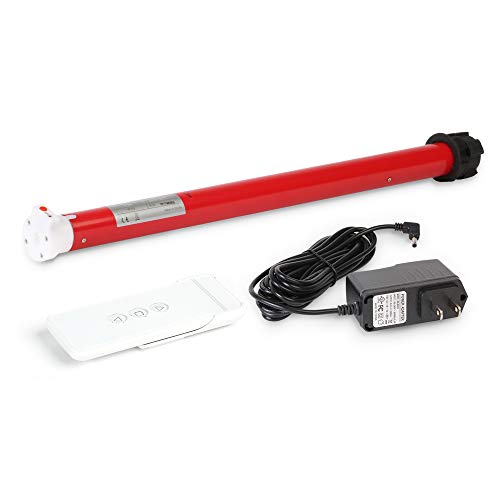
This battery-powered motor kit is designed for Rol-led blinds that use a 1.5-inch tube. It enables sunrise and sunset automation and includes a wireless blind motor, drive wheels for a 1.5″ tube, a remote, and an 8.4V charger. It supports integration with solar charging solutions for continuous operation. Installation is framed as a simple retrofit: remove the existing chain drive, measure the shade tube to match the correct motor size, insert the motor, and set up controls. It is not compatible with pleated, aluminum, or vertical blinds.
Key considerations include battery reliability, the need for a compatible solar charging setup if you want solar wiring, and ensuring the tube diameter is precisely 1.5 inches. The package emphasizes a DIY-friendly approach, with steps outlined to measure the shade tube and attach the motor components. This option suits users seeking a wireless solution without hardwired power.
Rollerhouse ERB25 Battery Roller Shade Motor for DIY Electric Roller Blind

The ERB25 system targets DIY motorization of standard roller shades with a 1.5″ (38 mm) tube. It works with solar charging options and integrates with WiFi bridges for home automation across Google, Alexa, and other ecosystems. The kit includes a 15-channel remote capable of controlling up to 15 blinds, enabling a scalable setup for larger rooms or homes. It is pitched as a simple installation with no electrician required and provides battery power for flexible mounting and placement.
Considerations include compatibility with ERB25 remotes (not universal), the potential to incorporate a solar panel for sustainable charging, and the steps to set up the WiFi bridge for smart-home routines. This model is ideal for users building a multi-blind automated environment who want wireless control without wiring in each shade individually.
Rollerhouse DC12V EY2512 Shade Motor

This wired DC12V motor is designed for upgrading existing blinds with a direct power connection. It fits 1.5″ tubes and supports remote control and simple limit programming to set upper and lower travel positions. The cables are provided without a plug, which suits users who install power cords or centralized power sources. It emphasizes a wired approach, offering reliable performance for rooms where battery replacement is burdensome or inconsistent.
Purchase considerations include the need for a central or individual power supply, how to wire and manage the control, and the lift capacity or torque suitable for your shade weight. This option serves installations where continuous power is available and a stable, wired solution is preferred over battery-powered alternatives.
Rollerhouses DM25DS 12V RV Electric Roller Shade Motor

This motor is tailored for RV applications, functioning on 12V DC and suitable for motorized blinds in RVs, motorhomes, and travel trailers. It supports dual motorized day/night shading solutions and uses manual limits to control travel range. The unit is described as a replacement motor for RV shades, with a stated length of about 6.1 inches and a two-wire setup. It is positioned as a practical option for mobile living spaces needing dependable shade operation without heavy power demands.
Considerations include the compatibility with your RV shade hardware, installation space, and the need to adjust limits manually. This model is best for travelers or campers who require a compact, low-voltage option designed specifically for RV environments.
DIY 24V Electric Roller Blinds Kit

This wired kit uses DC24V power and is designed for upgrading existing blinds to smart control without battery changes. It supports tubes up to 1.5 inches and includes a motor, mounting bracket, and remote. The system targets a straightforward, wired upgrade for roller shades, including 24V compatibility and a setup that eliminates battery management concerns. The kit is marketed as suitable for use with horizontal blinds and mini blinds, excluding aluminum or vertical blinds.
Key trade-offs include the necessity of a 24V power source and wired installation versus the flexibility of battery-powered options. This kit is appropriate for homeowners seeking a robust, long-term wired motorization solution with remote control capability and easy upgrade paths for existing blinds.
Tuya WiFi Smart Roller Shade Motor

This model emphasizes WiFi-based smart control, compatible with Alexa and Google Home without a hub. It supports 1.5″ (38 mm) tubes and is positioned as a DIY upgrade for roller shades and Roman/roller blinds. The included features enable remote control, timing, and routine setup via a mobile app. The motor can be integrated into larger smart-home ecosystems, giving users voice and app-driven control over shading schedules and groups.
Considerations include the quality of WiFi connectivity, compatibility with existing smart assistants, and the ease of setting up timing and grouping. This option suits households aiming to simplify shade automation with a direct WiFi connection and voice assistant support, without additional hubs or bridges.
Smart Motor With Matter Over Thread
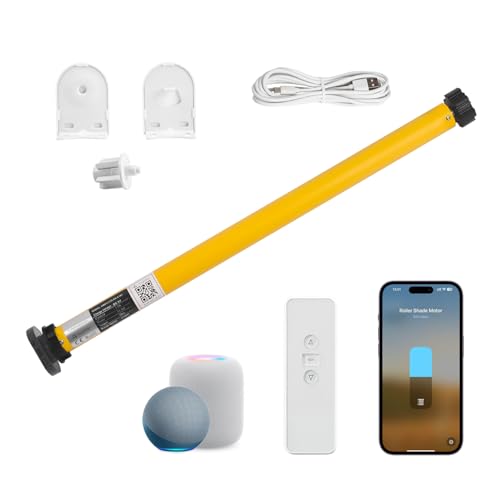
This motor targets Matter-compatible smart shading using Thread technology. It integrates with HomeKit, Google Home, and Alexa, delivering seamless control via voice or app. The design supports a 1.5″ tube for a variety of roller shades and claims broad compatibility with smart ecosystems. It emphasizes a long-range RF remote capability and optional multi-channel remotes for grouping blinds. The controller supports Matter over Thread, aligning with modern smart-home standards.
Buying considerations include Matter compatibility, ecosystem alignment with existing devices, and the length and torque that match your shade load. This motor is ideal for a future-ready setup where you want to extend smart-home capabilities across windows and other connected devices.
Buying Guide: Key Considerations For Electric Roller Blind Motors
- Tube compatibility: Most options target 1.5″ (38 mm) tubes; verify diameter and fit before purchase.
- Power source: Battery-powered solutions offer installation flexibility but require battery management; wired 12V or 24V models provide consistent power but need wiring.
- Control options: Remotes, apps, WiFi bridges, and voice assistants vary in ease of use. Consider whether you want standalone operation or smart-home integration.
- Smart home compatibility: Check compatibility with Alexa, Google Home, HomeKit, Matter, or Thread based on your existing ecosystem.
- Installation complexity: DIY kits range from barrel-to-shade retrofits to fully integrated motor modules. Look for clear measurement steps and non-electric installation requirements when possible.
- Limit settings: Ensure the motor allows easy upper and lower limit programming or automatic end-stop behavior to prevent shade over-travel.
- Safety and environment: For RV or mobile use, choose low-voltage options designed for travel and vibration resistance; for homes, consider noise levels and mounting options.
- Expandability: If planning multiple windows, opt for systems that offer remote groups or multi-channel remotes, or hub-based routines for synchronized control.