Best Electric Recessed Wall Heaters for Efficient Home Heating
Answer: For quick, quiet, space-saving warmth, these electric recessed wall heaters deliver reliable heat with built-in thermostats and safety features. They’re ideal for small to mid-sized rooms, bathrooms, and zones where wall installation is preferred. This guide highlights five top options and explains who each model is best for, along with practical buying considerations.
Quick Reference Table
| Product | Best For | Key Benefit | Voltage/Power |
|---|---|---|---|
| Cadet Com-Pak CSC151TW | Small rooms, straightforward installs | Compact, reliable heat | 120V, 1500W |
| Cadet Com-Pak CSC202TW | Medium rooms, faster heat | Multi-voltage options | 240/208V, 1500-2000W |
| faasiu CSC101TW | Budget-friendly spaces, quick warmth | Built-in intelligent thermostat | 120V, 1000W |
| INFANDY 1500/750W | Bathrooms and living areas needing safe operation | Three heating modes | 120V, 750/1500W |
| Broan-NuTone 9815WH | Clean aesthetic, adjustable heat | High-capacity comfort | 120/240V, 1500W |
Cadet Com-Pak CSC151TW Electric Wall Heater

The Cadet Com-Pak CSC151TW is a compact, 5120 BTU unit designed for spaces up to moderate size. It operates at 120 volts and 1500 watts, making it a simple, reliable choice for bedrooms or small living areas. Best for: a straightforward upgrade to add targeted heating without major remodeling. Why selected: its compact footprint and dependable operation suit retrofit projects or rooms with limited wall space. Caution: 1500W maximum for this model; consider room size to avoid undersizing in larger spaces.
Cadet Com-Pak CSC202TW Electric Wall Heater
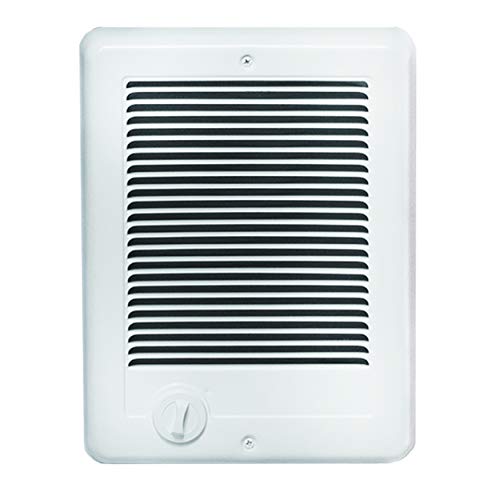
The CSC202TW offers 240/208-volt operation with 6825 BTU (or 5120 BTU in some configurations) and options up to 2000 watts. It’s suited for faster heating of medium rooms or spaces where electrical service supports higher wattage. Best for: zones that benefit from quicker warmth and ceiling installation is possible with compatible models. Why selected: dual-voltage capability and higher output make it flexible for different home layouts. Caution: ensure electrical circuit capacity matches the 2000W option to prevent tripping or overload.
faasiu Electric Wall Heater with Thermostat (CSC101TW)

faasiu’s CSC101TW is a 1000-watt, 120-volt unit with a built-in intelligent thermostat. It’s efficient for small rooms under 100 square feet, with overheat protection and a simple control interface. Best for: budget-conscious spaces that still demand reliable, programmable warmth. Why selected: built-in thermostat helps maintain steady comfort and reduces energy waste. Caution: limited output means it may not be adequate for larger rooms or high-heat needs.
Infandy Electric Wall Heater With Thermostat
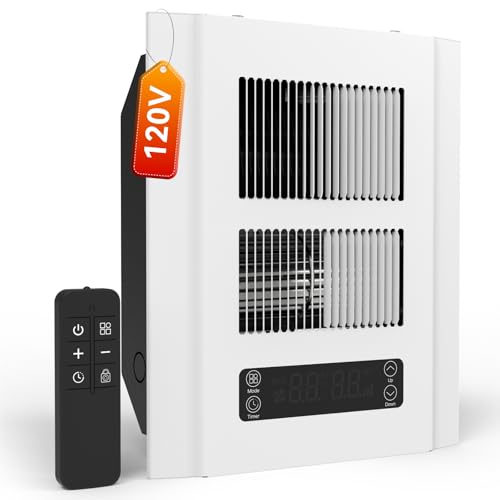
Infandy’s 1500/750 Watt model provides three modes: Full Power, Eco, and Ventilation. It includes a smart thermostat with a temperature range of 40°F to 86°F and a child lock. Best for: bathrooms and living spaces where flexible modes can balance comfort with energy savings. Why selected: versatility in modes helps tailor heat output without changing units. Caution: higher power modes require adequate clearance and electrical capacity.
Broan-NuTone 9815WH High Capacity Wall Heater
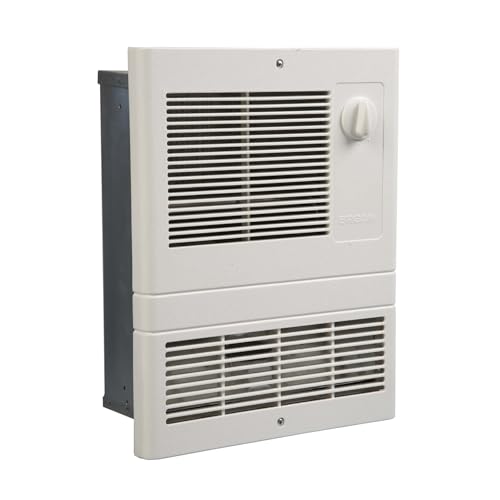
The 9815WH is a high-capacity option with a built-in adjustable thermostat, designed for spaces needing more robust heating. It supports 120/240V configurations and a 1500W rating. Best for: larger rooms or zones requiring stronger, consistent heat. Why selected: its thermostat and dual-voltage capability offer flexible installation and steady comfort. Caution: ensure electrical service can support 240V operation if you plan to use the higher setting.
Broan-NuTone 2000W/4000W Accessible Option
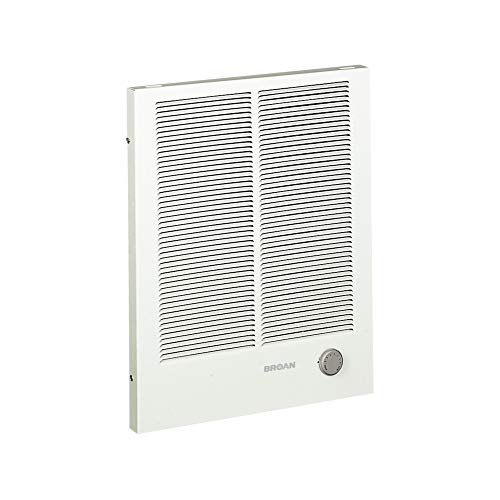
Note: This model offers a high-capacity heating option with a heavy-duty grille and adjustable thermostat for efficient zone heating. Best for: spaces needing substantial heat with a straightforward interface. Why selected: strong performance in larger rooms and straightforward control. Caution: higher wattage requires proper wiring and clearances per local codes.
Buying Guide: How to Choose the Right Electric Recessed Wall Heater
- Match BTU or wattage to room square footage. Smaller rooms typically need 1000–1500W; larger spaces may require 2000W or more.
- Check whether your home supports 120V or 240V operation. Some models offer dual voltage; verify circuit capacity and breaker size.
- Built-in programmable or smart thermostats help maintain consistent comfort and save energy.
- Overheat protection, child lock, and easily accessible shutoffs reduce risk in bathrooms and bedrooms.
- Ceiling vs. wall mounting compatibility, clearance from combustibles, and available wall space influence which model fits best.
- Most electric wall heaters operate quietly; look for fans or blowers if you prefer or avoid them for bedrooms.
- Look for units with sealed housings and simple access for cleaning, lubricants, and thermostat servicing where applicable.
- Consider initial cost, installed capacity, and long-term energy savings when comparing models.
FAQ
- What is the typical use case for a recessed electric wall heater? They’re ideal for supplemental heating in small-to-medium rooms, bathrooms, dens, or zones where wall space is preferred over floor-standing heaters.
- Do these heaters require professional installation? Some models are designed for straightforward DIY installation, but electrical wiring and mounting may require a licensed professional depending on local codes.
- Can I mount these in a bathroom? Yes, but ensure the model is rated for bathroom use and follow waterproofing and venting recommendations from the manufacturer.
- Will a higher wattage heater be necessary for my room? Larger or draftier spaces typically need more power; use BTU calculations or a room sizing guide to determine appropriate wattage.
- Are dual-voltage heaters worth it? Dual-voltage units offer flexibility if you plan to relocate or rewire spaces; confirm compatibility with your current electrical system.
- What maintenance is required? Regularly check thermostats and grills; clean dust from vents to maintain efficiency and safe operation.