Best Electric Pipe Heating Cables for Reliable Freeze Protection
Finding a dependable electric pipe heating cable is essential for preventing frozen pipes and maintaining water flow during extreme cold. This guide evaluates top-rated options, highlighting certifications, temperature ranges, installation features, and durability to help American homeowners choose the right heat tape for metal and plastic water pipes. The selections below balance safety, performance, and value, offering clear insights for seasonal or year-round freeze protection.
| Product | Brand | Key Benefit |
|---|---|---|
| HEATIT HISD 6ft Heat Tape | HEATIT | CSA & ETL certified; built-in thermostat; easy installation |
| Frost King HC12A | Frost King | 12-foot length; keeps water flowing to -40°F |
| Frost King HC9A | Frost King | 9-foot model; reliable freeze protection to -40°F |
| HEATIT 3 Feet Electric Heating Cable | HEATIT | Compact, self-regulating; suitable for tight spaces |
| MAXKOSKO 6 Ft Heating Cable | MAXKOSKO | Self-regulating; accommodates various pipe sizes |
HEATIT HISD 6ft Self-Regulating Heat Tape

This self-regulating heating cable is designed for water-filled plastic or metal pipes. It carries CSA and ETL certifications for safety, with a UL-certified plug for added protection. The kit includes a built-in thermostat and a clear installation guide. Operating at 120V and 7W/ft, it activates at 37°F and deactivates at 50°F. A maximum half-inch of fiberglass insulation provides extra temperature protection. The product emphasizes fully certified safety from end to end, not just a plug certification.
Features extensive safety certifications and a dedicated focus on water-fillable pipes, including explicit guidance to avoid using with empty water pipes, fuels lines, hoses, or steam lines. The included two-year limited warranty offers long-term reliability. This option suits homeowners seeking robust, turnkey protection with straightforward setup.
Frost King HC12A Automatic Electric Heat Kit
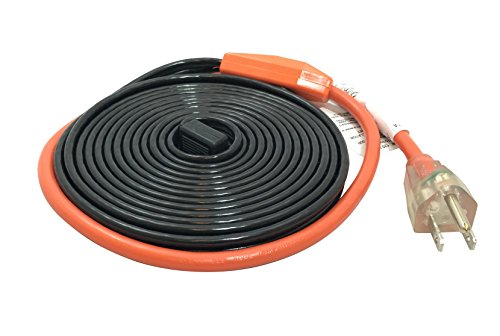
The HC12A kit provides 12 feet of heat tape designed to keep water flowing down to -40°F on metal and plastic pipes. With a 120V, 7-watt-per-foot rating, this option balances performance and energy use for residential applications. The kit is suitable for longer pipe runs where continuous protection is essential, such as exterior lines or uninsulated sections. The device is straightforward to install and relies on a self-regulating mechanism to manage heat output automatically.
Frost King HC9A Automatic Heat Kit

With 9 feet of heating cable, the HC9A provides reliable defense against freezing in both metal and plastic pipes. Rated at 120V and 7W/ft, it protects water lines down to -40°F, making it a solid middle-length option for typical residential runs. Its self-regulating design helps prevent overheating while offering simple, plug-and-play installation. Ideal for smaller basements, crawlspaces, or garage lines that require dependable freeze protection without complex setup.
HEATIT 3 Feet Electric Heating Cable

This compact HEATIT model targets tight spaces where longer cables won’t fit. It features CSA and ETL certifications for safety, a built-in thermostat, and a three-foot power cord. It operates with a 3-foot thermostat distance to the plug, with a maximum insulation layer of half an inch for low-temperature protection. The device is designed for water pipes that require localized freeze protection, offering reliable performance in smaller-scale applications.
MAXKOSKO 6 Ft Heating Cable For Pipe

The MAXKOSKO heating cable offers self-regulating capabilities to maintain water flow down to -40°F. The 6-foot length is paired with a three-foot power cord, providing flexibility for longer pipe runs. The option emphasizes energy efficiency and safe operation, compatible with both metal and plastic pipes. The design includes built-in safeguards to prevent overheating, making it suitable for outdoor installations or unheated spaces where pipe exposure to cold is a concern.
Buying Guide: Key Purchase Considerations
- Certifications and safety: Look for CSA, ETL, and UL certifications to ensure end-to-end safety and compliance, especially for DIY installations. Self-regulating cables reduce risk of overheating by adjusting heat output along the length of the cable.
- Temperature range and protection: Confirm the operating range and the pipe temperature threshold. Most residential cables provide protection down to -40°F (-40°C), which covers typical northern climates.
- Pipe compatibility: Ensure the product is suitable for metal, plastic, or both pipe materials. Some cables specify water-filled pipes only or advise against use with certain fluids or non-pipe surfaces.
- Length and installation: Choose a length that matches the pipe run length. Consider whether straight, spiral, or overlapped installation is recommended, and verify the included installation aids such as aluminum foil tape or insulation.
- Thermostat and power convenience: Self-regulating cables with built-in thermostats simplify wiring and reduce energy waste. Note the thermostat activation temperature and whether the plug has a status indicator.
- Durability and waterproofing: IP ratings (like IP67) indicate resistance to dust, water, and moisture—important for exterior or damp spaces. A robust outer shell extends cable life in harsh environments.
- Warranty and support: A multi-year limited warranty offers security for long-term reliability. Consider manufacturers with responsive customer support in case of issues or questions.
- Installation environment: For unheated garages, basements, or outdoor spigots, assess insulation levels and whether additional protective measures (e.g., jackets, wraps) are needed to maximize efficiency.
Across these options, customers can compare length, safety certifications, and thermostat features to select the model that best fits their climate and piping configuration. For households with long outdoor runs, longer cables with reliable frost protection and a straightforward installation process tend to deliver the most consistent results. In spaces with limited room, compact 3-foot or 6-foot variants still offer dependable performance when paired with appropriate insulation and secure mounting.