Best Electric Motor With Pulley for DIY Projects and Industrial Use
Looking for an electric motor with a pulley system to drive belts, gears, or accessory equipment? This guide picks five practical options that balance torque, speed, and reliability for common needs like DIY projects, small machinery, and lightweight production tasks. Each choice is explained for who it’s best for, plus clear pros and limitations to help you compare quickly.
| Product | Brand | Why It Stands Out |
|---|---|---|
| 12V 250W Gear Reduction Electric Motor | AHULIN | Great for compact vehicles and small machines with a belt pulley system |
| VEVOR 2HP Air Compressor Electric Motor | VEVOR | High power, durable frame for shop compressors or heavy-duty drives |
| 12V Geared Motor, 250W | Alomejor | Low-noise, high-torque geared motor for mods and small projects |
| Kittmip 12V-24V DC Geared Motor Kit | Kittmip | All-in-one kit with pulleys and belts for quick builds |
| GF2054 1/2 HP Belt Drive Motor | Pellethead | Compact belt-drive option with compatible framing for replacements |
Best All‑Around 12V Gear Motor With Belt Pulley
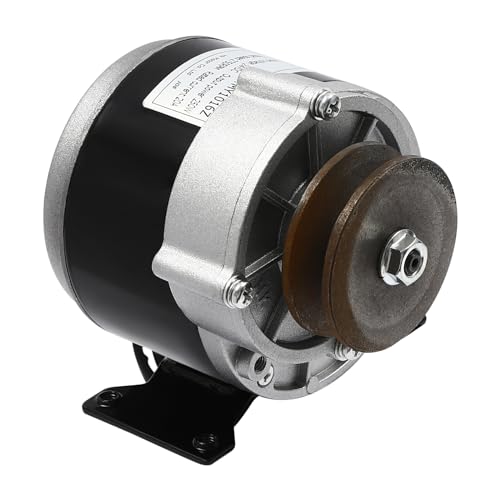
This AHULIN motor delivers 250W at up to 2750 rpm, paired with a belt pulley design to optimize speed and torque transfer. It’s a sturdy option built with iron and copper components for durability. Best for small scooters, e-bikes, or light-duty vehicles where a compact, reliable motor with a pulley system is needed. Limitation: it’s a brushed DC motor, which may require maintenance over time and is best suited for moderate loads.
Reliable 2HP Electric Motor For Air Tools And Drivetrains

The VEVOR 2HP motor is designed for higher-demand applications, such as air compressors and single-phase belt-driven machines. It offers 115/230V operation and a 56-frame size with a 5/8″ keyed shaft. Best for shops requiring robust power and straightforward integration with belt-driven tools. Caution: suitable for dry, clean environments; exposure to moisture could reduce longevity.
Low-Noise Geared Motor With Belt Pulley System

Alomejor’s geared motor emphasizes low noise and high torque, making it suitable for quiet modifications and compact machines. It’s designed for DC operation with a belt pulley system that helps control speed and rotational force. Best for experiments, educational kits, or small automation projects. Limitation: marketed as a general purpose motor—specific load ratings depend on your system design.
High-Performance DIY DC Motor Kit With Pulleys

Kittmip provides a complete power bundle for DIY projects, including a high-speed motor, speed controller, and GT2 pulleys with timing belts. It’s ideal for robotics, small CNC, or quick prototyping. Best for builders who want ready-to-use components in one purchase. Be mindful of the setup complexity if you’re new to pulley-driven drives.
Compact Belt-Drive Motor For Replacements

Pellethead’s GF2054 belt-drive motor is designed as a compatible replacement for common 48-frame, 115V systems. It emphasizes a straightforward fit for existing belts and pulleys, suitable for repair or upgrade projects. Best for users upgrading older equipment. Limitation: not intended for high-torque, heavy-load applications; use within recommended load ratings.
Buying Guide
What should I consider when choosing a motor with a pulley?
Torque vs. speed: Determine the required torque and operating speed for your load. Belt pulleys trade speed for torque, so choose pulley size accordingly.
Voltage and control: Match the motor voltage (12V, 115V, 230V) to your power source and control needs. Consider if a speed controller or gear reduction is required.
Frame and shaft: Confirm the frame size and shaft diameter to ensure mechanical compatibility with your setup and any mounted pulleys or belts.
Environment: Open drip-proof or sealed designs suit different environments. Dry and clean spaces extend life; moisture can shorten it.
Durability: Look for robust materials (iron, copper) and bears or bearings rated for your load. Brushed DC motors require regular maintenance in some setups.
Which motor is best for my use case?
- Small DIY projects and compact machines: AHULIN or Alomejor geared motors offer a balance of size, torque, and control.
- Shop machinery or heavy-duty belts: The VEVOR 2HP motor is better for higher power and continuous operation.
- Complete kits for robotics or quick builds: Kittmip provides an all-in-one solution with pulleys and belts.
- Replacement parts or compatibility with existing systems: GF2054 belt-drive options fit standard frame and voltage expectations.
How do I plan pulley sizing and belt choice?
Calculate desired output speed and torque. Larger pulleys reduce speed but increase torque; smaller pulleys increase speed but reduce torque. Choose belts that match your pulley profile (V-belt, GT2 timing belts, etc.).
What about safety and maintenance?
Follow standard safety practices for rotating machinery. Ensure guards and emergency stops where applicable. Regularly inspect belts and bearings for wear, tension, and alignment to prevent failures.
FAQ
- What is a belt pulley motor used for?
It uses a belt to transfer power from the motor to driven components, allowing adjustable speed and torque through pulley size changes.
- Can these motors run continuously?
Many are designed for intermittent or moderate continuous use; confirm duty cycle with the manufacturer for heavy-load tasks.
- Which voltage should I choose?
Pick voltage that aligns with your power source and control hardware. Higher voltages generally support higher power or better efficiency in some setups.
- Are pulley kits necessary for all projects?
Not always, but they simplify speed control and torque management for DIY builds and modular systems.
- What maintenance is typical?
Inspect belts and pulleys for wear, check bearings, ensure proper lubrication where applicable, and keep environments dry and clean.
- Is a compressor motor suitable for all uses?
Compressor motors are designed for high-load, continuous operation; ensure compatibility with your equipment’s load and duty cycle.