Best Electric and Gas Outboard Motors for Yachts and Inflatable Boats in 2026
Whether you sail a tender, run an inflatable, or maintain a small yacht, choosing the right motor is essential for reliability, efficiency, and maneuverability. This guide reviews five relevant outboard options that cover electric trolling motors and gas-powered models, highlighting key features, performance notes, and practical considerations for American waterways. Each product section provides a concise snapshot to help you compare at a glance, followed by a buying guide that covers practical decision points for your vessel and use case.
| Product | Brand | Best Use |
|---|---|---|
| Cbhfmljd 4-Stroke 9HP Outboard | Cbhfmljd | Inflatable boats, small yachts, dinghies |
| Watersnake T18 ASP | Watersnake | Kayaks, canoes, inflatables |
| awolsrgiop 2 Stroke 18HP | awolsrgiop | Rubber boats, inflatable sailing craft |
| Minn Kota Endura C2 | Minn Kota | Transom-mounted trolling on freshwater |
| Newport NT300 | Newport Vessels | Saltwater and freshwater use, portable |
The following sections summarize each option, focusing on performance, compatibility, and practical integration with yachts, inflatables, and other small craft. Consider your vessel’s weight, fuel strategy, noise tolerance, and typical voyage lengths when evaluating these choices.
Cbhfmljd 9HP Outboard For Inflatable Boats

The Cbhfmljd 4-Stroke 9HP outboard is a light yet capable gas-powered option designed for inflatables, small yachts, and fishing boats. Its 225cc engine delivers steady mid-range torque suitable for planing light hulls and tender use. The water-cooled system helps maintain performance under extended operation, while the 360-degree steering rotation and a compact 64-pound dry weight simplify docking and shallow-water maneuvering. A recoil start offers quick ignition, and the two-blade nylon propeller provides predictable bite in calm to moderate chop. Note the model lacks a reverse gear, which is a consideration for tight harbor maneuvers. Overall, it suits vessels needing reliable, portable propulsion without complex control systems.
Key features to consider: air-cooled style design with water cooling for efficiency; 40–55 cm stern height compatibility; 34–51 fl oz fuel tank and 20 fl oz oil reservoir; adjustable hanger; forward-neutral gearbox; 4500 rpm maximum and 1800+ rpm idle. For yacht tenders or inflatable RIBs, this motor provides a practical balance of power, weight, and ease of maintenance.
Watersnake T18 ASP – 18 Lb Thrust
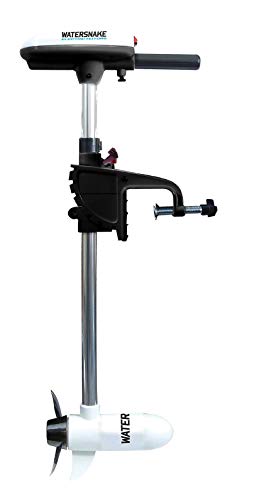
The Watersnake T18 ASP is a compact, 12V electric trolling motor, ideal for kayaks, canoes, and inflatable dinghies. Weighing around 4.85 pounds, it emphasizes portability and easy storage. The 24-inch shaft and adjustable transom mount facilitate straightforward attachment to small craft, while the hand tiller with an extendable handle supports versatile steering. It includes forward/reverse switching and a weedless two-blade propeller. A key caveat is that the battery is not included, so you’ll pair this with a suitable 12V marine battery. This model shines for lightweight vessels where quiet operation and minimal weight are priorities, especially near fish-rich flats or sheltered waters.
Considerations include run time on your battery, the motor’s thrust relative to boat weight, and mounting compatibility with your dinghy or inflatable. For occasional trolling or slow cruising, this motor provides a dependable, low-cost entry into electric propulsion with simple maintenance.
awolsrgiop 18HP 2-Stroke Outboard

The awolsrgiop 2-stroke 18HP outboard is a robust option for inflatable boats, sailboats, and small yachts requiring extra power. The engine displacement of 246cc and a 6.34-gallon fuel tank enable longer runs between refuels and better performance in choppier seas. The CDI ignition system supports reliable starting, and the water-cooling system helps manage engine temperature during extended operation. A short shaft configuration supports a wide range of stern heights, while the ergonomic handle and streamlined propeller design aid control and collision resilience in shallow or debris-prone waters. With a robust power output, this unit suits more demanding day trips or predictable cruising where reliability matters.
Important considerations include fuel economy, maintenance schedule for a 2-stroke design, and ensuring compatibility with your boat’s stern height. The model’s strong thrust and solid build make it a credible choice for boats exposed to rougher conditions or longer journeys on inland and coastal waters.
Minn Kota Endura C2 Transom-Mount Electric
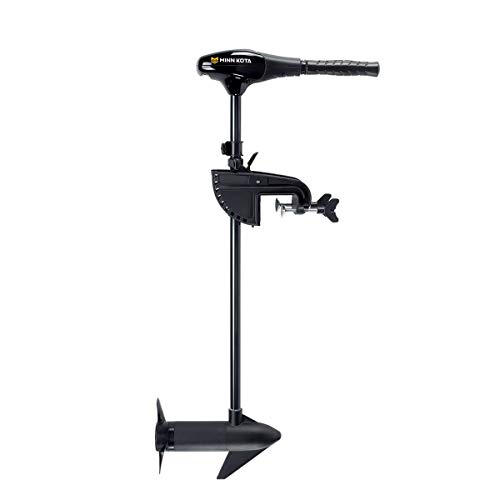
The Minn Kota Endura C2 represents a well-regarded transom-mounted electric trolling motor, designed for freshwater trolling and extended use. Key features include a 30-inch shaft, a 6-inch telescoping tiller for comfortable control, and a 10-position lever lock bracket for quick angle adjustments. The reinforced composite housing resists flexing and UV damage, while a Power Prop is optimized for heavy vegetation, helping you push through dense cover. The kit includes essential installation hardware such as a prop pin, nut, and washer. This motor is a reliable option for anglers and recreational boaters who value durability, ease of use, and consistent performance in variable conditions.
Consider matchups: boat weight, prop selection for vegetation, battery capacity, and whether you need a more compact alternative for inflatables. The Endura C2 is particularly suitable for freshwater boats where quiet propulsion and straightforward operation are preferred for long days on the water.
Newport NT300 Electric Outboard

The Newport NT300 is a compact, 1300W (3HP equivalent) brushless direct-drive electric outboard, designed for saltwater and freshwater use with quiet, efficient propulsion. With 110 pounds of thrust and a digital throttle featuring an LCD display, the NT300 emphasizes precise control and extended range per charge. A 24.6-inch shaft and a 9.8-inch 2-blade composite propeller balance performance with compact dimensions. Trim/tilt angles range from 0° to 21°, and field-oriented control improves responsiveness in varying water conditions. The motor’s top speed is modest, around 6.5 mph, but it can deliver up to 66 miles on a single charge depending on payload, water conditions, and use case. This model suits modern, quiet, maintenance-minimal setups for day trips and light cruising on mixed water types.
Key considerations include battery strategy, charging availability, and trip planning around range. For yacht tenders and small inflatables, the NT300 offers a pragmatic, low-noise propulsion option with modern digital controls and quiet operation, ideal for anchored or marina runs where noise is a concern.
68Lb Thrust Trolling Motor For Kayaks And Small Boats

This 68-pound thrust trolling motor from BODIOO emphasizes robust performance for larger hulls or primary propulsion on smaller craft. With a copper-core construction and upgraded wiring, it aims for improved thrust and reliability over standard entry models. The 6-inch adjustable handle extends to 6 inches for comfortable control, while a 90-degree rotatable bracket offers versatile steering positions for shallow waters. LED battery indicators provide real-time status, and a debris-resistant 3-blade propeller minimizes fouling in weed-prone areas. The motor operates at a low noise level around 50 dB, supporting stealthier fishing and cruising. This model prioritizes versatility for kayaks, inflatables, and small fishing boats that encounter variable vegetation and depth.
Consider aspects such as battery capacity, lead times for charging, and the need for a robust mounting bracket on your craft. The 68LBT model is well-suited for scenarios requiring stronger thrust and reliable control in weedy channels or choppy water.
Newport NV-Series 55lb Saltwater Trolling Motor

The Newport NV-Series 55lb thrust trolling motor is designed for saltwater transom mounting with efficiency and reliability in mind. It features a 30-inch shaft, a 5-LED battery meter, a 6-inch telescoping tiller, and a three-blade propeller for improved low-end torque. Eight speeds (five forward, three reverse) give flexible control for trolling and maneuvering, while a robust build aims to stand up to marine conditions. The design focuses on long-lasting performance with quiet operation, making it a practical choice for coastal and inland saltwater use where stealth and endurance matter.
Practical considerations include corrosion resistance, battery choices for saltwater environments, and whether the top-end speed aligns with your typical water conditions and boat type. This motor is a balanced option for saltwater boats needing consistent trolling with straightforward maintenance.
VEVOR Electric Trolling Motor 55lbs Thrust

The VEVOR 12V trolling motor delivers 55 pounds of thrust with eight speeds (five forward, three reverse). It emphasizes reliable all-day operation with a 3-blade propeller that offers smooth performance and reduced tangling. The adjustable telescoping handle (6.3 to 10.6 inches) and adjustable shaft height provide comfortable operation in a range of boat seating positions. The motor is designed for both freshwater and saltwater use, with a focus on durability and low noise. An integrated battery indicator helps monitor power levels during long trolling sessions and day trips.
Key decision points include battery compatibility, overall weight, and the willingness to manage electric propulsion for extended cruising. The VEVOR model offers a versatile, cost-conscious option for small boats, kayaks, and inflatables where electric propulsion is preferred for quiet operation.
Buying Guide: Key Purchase Considerations For Yacht And Inflatable Propulsion
- Propulsion type: Gas vs electric. Gas engines deliver higher raw power and longer range on rugged waters, but require fuel management and maintenance. Electric motors are quieter, lighter, and easier to maintain but depend on battery capacity and charging infrastructure.
- Boat compatibility: Consider stern height, shaft length, and mounting hardware. Short shafts are common on smaller inflatables and tenders; long shafts suit deeper transoms on larger boats. Ensure the model’s mounting bracket and tilt/trim range align with your boat’s configuration.
- Weight and balance: Heavier engines affect hull trim and planing behavior. For inflatables and tenders, lighter engines improve handling and loading, while larger yachts may accommodate heavier units with more stability.
- Fuel and maintenance: Gas engines require fuel planning, oil mixing if 2-stroke, and periodic maintenance. Electric motors require battery management, charging options, and corrosion protection for saltwater use.
- Performance needs: Define use cases—tender propulsion, trolling for fishing, or primary propulsion on smaller craft. For light cruising, electric motors provide efficiency and quiet operation; for rough water or long-range travel, a robust gas engine might be preferable.
- Durability and environment: Look for corrosion-resistant housings for saltwater environments. Consider debris resistance, especially in weed-choked areas, and the motor’s reliability in variable weather.
- Accessories and spare parts: Check for availability of propellers, clutches, and mounting hardware. Replacement parts and service support influence long-term value and uptime.
- Battery strategy (electric): Size of battery bank, charging time, and on-board power management determine usable range. For saltwater excursions, plan for corrosion protection and safe storage of batteries.
- Noise and vibration: Quieter electric options can preserve wildlife and fishing quality, while gas engines may introduce more vibration and odor depending on design.
In summary, choose a motor that matches your vessel type, typical voyage length, water conditions, and maintenance preferences. For tenders and inflatable boats, lighter electric options and compact gas engines provide efficient options. For yachts that regularly operate in mixed water, selecting a versatile, robust model with easy mounting and reliable service support is advisable.