Best Electric Inline Fuel Pumps: Top Picks for Reliable 12V Fuel Delivery
Choosing the right electric inline fuel pump is key for consistent fuel delivery in 12V EFI, carbureted, and diesel systems. This guide reviews five dependable options, highlighting flow rates, pressures, compatibility, and installation notes to help you compare at a glance. Each product is evaluated for suitability across common applications—from enthusiast builds to daily drivers and small boats.
Summary of Selected Products:
| Product | Brand | Key Benefit | Inline Flow | Pressure Range |
|---|---|---|---|---|
| EVIL ENERGY External Inline Fuel Pump 300LPH | EVIL ENERGY | High flow with robust 12V operation | 300 LPH (at 43 PSI / 13.5V) | Up to 75 PSI |
| Megaflint Inline Fuel Pump 12V | Megaflint | Low-pressure, reliable with cross-reference | 30 GPH | 5-9 PSI |
| ENGINEMAN Universal Electric Fuel Pump 12V | ENGINEMAN | Broad compatibility, compact inline design | 25-30 GPH | 2.5-4.5 PSI |
| CarBole Universal Micro Electric Fuel Pump | CarBole | Compact, high compatibility with E8012S cross-refs | 30 GPH | 5-9 PSI |
| SOLLON Electric Fuel Pump 12V | SOLLON | Low-pressure transfer pump with strong suction | 30 GPH | 2.5-4 PSI |
EVIL ENERGY External Inline Fuel Pump 300LPH

The EVIL ENERGY external inline pump delivers a high flow rate suitable for EFI and performance applications. It operates in 12V DC systems with test flows of 200 LPH at 75 PSI and 12V, 255 LPH at 43 PSI and 12V, and 300 LPH at 43 PSI and 13.5V. A maximum operating pressure around 75 PSI supports a wide range of fuel delivery scenarios, while the device’s temperature tolerance covers from sub-freezing to high heat, enabling use in varied climates. This pump supports multiple fuels including gasoline, pump gas, race gas, diesel, E85, and ethanol blends, making it a versatile choice for mixed-fuel builds or modified engines.
Installation considerations include ensuring clean fuel lines and a secure mounting method to handle vibration. The pump’s inline design suits under-hood or near-tuel well placements, and the compatibility with a broad fuel spectrum helps offset future fueling needs. For best results, pair with appropriate filtration and a suitable regulator to maintain stable pressure into EFI injectors or carburetors.
Megaflint Inline Fuel Pump 12V 5-9 PSI
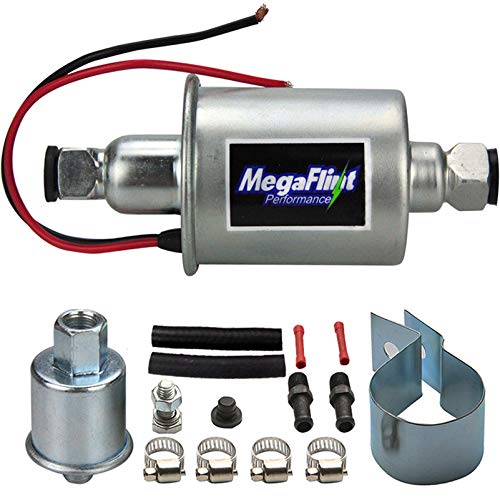
The Megaflint inline fuel pump is designed for low-pressure systems, delivering 5-9 PSI with a 12V input. It provides an output of about 30 GPH and comes with a 12-amp fuse specification, reflecting a balance between reliability and compact sizing. The pump is cross-referenced with familiar part numbers (E8012S, EP12S, FD0002, P60430, 6414671) to simplify compatibility with older builds and spare parts. Built with a German-made copper coil, the unit emphasizes solid electrical performance and reduced resistance under load, supporting consistent priming and fuel delivery in carbureted engines, small diesel applications, or portable generators.
Practical use involves ensuring correct flow alignment with how your fuel system is configured. Given its relatively modest output, this pump pairs well with short runs from tank to carburetor or small EFI systems requiring moderate pressure. To maintain longevity, install a fuel filter upstream, monitor heat generation, and wire with a proper fuse to prevent electrical overload.
ENGINEMAN Universal Electric Fuel Pump 12V

The ENGINEMAN universal inline pump focuses on low-pressure output ideal for carbureted engines and a wide range of gasoline and diesel applications. It delivers 2.5-4.5 PSI with a flow rate of about 25-30 GPH, accommodating larger carburetor setups or small EFI systems that don’t require high pressure. The build emphasizes durable copper motor components and a built-in check valve to prevent backflow, boosting reliability during extended use.
Installation highlights include compatibility with common 5/16 inch hoses and a complete kit option that can simplify DIY mounting. The pump is positioned as a versatile replacement for generator, lawn equipment, light trucks, and marine carburetor systems. For best results, locate the unit within 12 inches of the fuel tank and pair with a compatible regulator to maintain stable pressure and fuel delivery across varying engine loads.
CarBole Universal Micro Electric Fuel Pump

The CarBole universal inline pump is designed for 12V operation with an output of 5-9 PSI and 30 GPH. It references multiple cross-refs (E8012S, FD0002, P60430, EP12S, 6414671) to match a wide array of legacy and contemporary systems. Its compact form factor makes it suitable for tight engine bays where space is at a premium, such as in small cars, ATVs, or lawn equipment. The pump’s medium is compatible with gasoline and diesel fuels, expanding its use across various platforms and fuel strategies.
From an installation standpoint, the model is typically wired directly to a switch or integrated with a relay for protection. The emphasis on cross-reference compatibility helps ensure that replacements or upgrades won’t disrupt common retrofits. Users should consider adding a filter and checking regulators to maintain a steady pressure within the 5-9 PSI window and avoid vapor lock in carbureted configurations.
SOLLON Electric Fuel Pump 12V 2.5-4 PSI

The SOLLON 12V inline pump emphasizes low-pressure transfer with a 2.5-4 PSI output and a flow around 30 GPH. It’s designed for light-duty carburetor and small EFI applications, including lawn equipment, ATVs, and boats. The unit notes a robust suction capability and a copper winding, supporting stable fuel delivery even under varying temperatures. This makes it a practical choice for setups that demand steady priming and minimal vapor lock risk in simpler fuel systems.
Installation guidance highlights keeping the pump close to the tank and using appropriate mounting hardware to minimize vibration. The low-pressure profile suits engines requiring gentle fuel delivery, reducing the risk of flooding a carburetor while maintaining dependable start-up performance. As with other inline pumps, pairing with proper filtration and wiring protection helps extend longevity and maintain consistent throughput.
Buying Guide: Key Purchase Considerations
When selecting an electric inline fuel pump, consider how your specific engine and fuel system will respond to pressure, flow, and installation constraints. The following perspectives outline common decision factors and practical tips for choosing the right unit.
- Fuel system type: Carbureted engines typically benefit from low to mid-range PSI pumps (2.5-9 PSI) to avoid flooding, while EFI systems may require higher flow at a stable pressure. Match the pump to your system’s fuel delivery pressure needs.
- Flow vs. pressure balance: Higher flow is not always better if pressure falls short of what the injectors or carburetor require. Evaluate your engine’s running conditions, including idle and under load, to pick a pump with a stable performance curve within your target range.
- Fuel compatibility: Ensure the pump materials and seals are compatible with your intended fuels (gasoline, ethanol blends, diesel, etc.). Some units advertise broad compatibility, which is useful for mixed-fuel builds or regional fuel variations.
- Installation space and wiring: Inline pumps come in various shapes and sizes. Consider under-hood clearance, proximity to the tank, and available wiring routes. A relay, fuse, and proper gauge wiring protect against electrical issues.
- Reliability and cooling: Pumps that run hot can degrade performance. Look for units with copper windings or robust housings, and ensure adequate ventilation, especially in enclosed spaces.
- Maintenance and parts: Cross-reference part numbers help with compatibility and future replacements. Consider pumps with readily available filters and mounting kits to simplify ongoing maintenance.
- System integration: Pair pumps with filters, regulators, and dampening components as needed to stabilize pressure and prevent vapor lock. For high-performance builds, ensure the pump’s maximum pressure aligns with your rail or carburetor requirements.
In summary, the best electric inline fuel pump for your needs balances appropriate pressure, sufficient flow, fuel compatibility, and practical installation considerations. For enthusiasts upgrading older systems or building new ones, a pump with clear cross-reference support and a compact footprint can ease installation and future maintenance.