Best Electric Heater Smart Thermostats for Efficient Home Heating
Direct answer: If you’re seeking an electric heater smart thermostat to cut electric heat costs, schedule comfort, and control from anywhere, the Mysa LITE, Mysa 240V, two Meross models, and the Amazon Smart Thermostat are strong options for high-voltage baseboard or wall heaters. These devices excel at remote control, voice integration, and energy savings for dedicated electric heating systems.
Who should consider these:
– New or updated homes with baseboard or high-voltage electric heaters seeking easy Wi‑Fi control and voice assistants.
– Renters wanting simple installation and minimal hub requirements.
– Tech-savvy homeowners aiming for energy savings through scheduling and remote monitoring.
– Households using Apple HomeKit, Alexa, or Google Home for integrated smart home scenes.
Summary table of chosen products:
| Product | Best For | Notable Benefit |
|---|---|---|
| Mysa Smart Thermostat LITE for Electric Baseboard Heaters | Home with Apple/HomeKit users | Wi‑Fi, 7‑day scheduling, HomeKit/Alexa/Google |
| Mysa Smart Thermostat for Electric Baseboard Heaters 240V | Homes needing 240V wiring with remote control | Free app, temp/humidity alerts, voice compatibility |
| meross Matter Smart Thermostat for Electric Baseboard Heater | Smart home ecosystems mixed (Alexa/HomeKit/Google) | Matter compatibility, energy saving scheduling |
| meross Smart Thermostat for Electric Baseboard and In-Wall Heaters | High‑voltage enthusiasts needing 4-wire install | 4-wire requirement, voice control, smart integrations |
| Amazon Smart Thermostat | Alexa‑centric homes seeking rebates and simple setup | Works with Alexa, potential rebates guidance |
Mysa Smart Thermostat LITE for Electric Baseboard Heaters
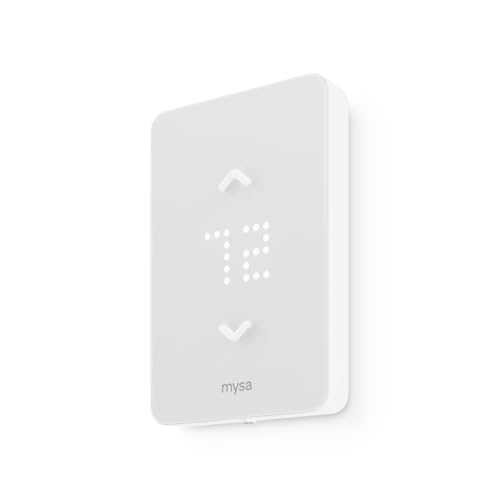
Best for: Apple HomeKit households or users who want straightforward remote control without a hub. The LITE supports Wi‑Fi connectivity and works with HomeKit, Alexa, and Google, enabling hands-free voice control and easy scheduling. It helps users reduce heating costs by enabling custom schedules and away modes. The device is compatible with 120V–240V electric baseboard systems.
Why selected: This model emphasizes energy savings with 7‑day scheduling and remote control from anywhere. It is a compact option that integrates with major voice ecosystems, making it a versatile choice for modern smart homes.
Limitations to consider: Requires a stable Wi‑Fi connection; features rely on the Mysa app. Some users with older baseboards should confirm compatibility with their wiring and ensure a neutral or appropriate wiring setup.
Mysa Smart Thermostat for Electric Baseboard Heaters 240V

Best for: Homes with 240V baseboard or high‑voltage heating seeking robust remote control and alerts. This model supports Wi‑Fi programming, remote temperature control, and 100% free app use, with compatibility for HomeKit, Alexa, and Google Home. It also provides temperature and humidity alerts for added monitoring.
Why selected: It is purpose-built for 240V systems and offers flexible scheduling without a hub. The real advantage is the ability to monitor and adjust comfort remotely, which can help optimize energy usage during absences or vacations.
Limitations to consider: Conceptually similar to the 120V variant but wiring accuracy is crucial. Verify that your electrical box and conductors meet the four-wire neutral/second live requirement for proper operation.
meross Matter Smart Thermostat for Electric Baseboard Heater
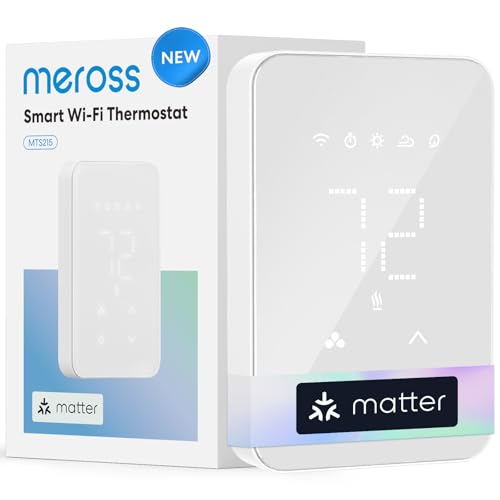
Best for: Homes seeking broad ecosystem compatibility through Matter, including Alexa, Apple Home, Google Home, and SmartThings. This thermostat is designed for high‑voltage heating systems (120–240 VAC) and supports common voice control and app management for energy savings.
Why selected: The universal Matter compatibility means fewer ecosystem lock-ins and easy integration with existing smart home routines. Scheduling helps reduce energy use while keeping comfort consistent.
Limitations to consider: Not all older baseboard installations may be ready for high‑voltage smart thermostats; confirm that wiring includes a neutral or second live wire as required for full functionality.
meross Smart Thermostat for Electric Baseboard and In-Wall Heaters

Best for: High‑voltage installations requiring 4 wires and explicit guidance for high‑voltage setups. This model supports HomeKit, Alexa, Google, and SmartThings, making it suitable for multi‑ecosystem homes.
Why selected: It explicitly notes high‑voltage compatibility and a practical 4‑wire requirement with clear installation considerations. The product supports precise temperature control and voice command integration for flexible operation.
Limitations to consider: Installation may require a more involved wiring process; ensure you meet the four‑wire requirement and confirm compatibility with your specific baseboard or wall heater model.
Amazon Smart Thermostat

Best for: Homes primarily using Alexa with an interest in simple setup and potential rebates through energy providers. The Amazon Smart Thermostat is an approachable option for users seeking straightforward integration with Alexa routines.
Why selected: It supports Alexa voice control and offers a streamlined setup flow. It can help reduce energy use by automating heating and cooling in conjunction with other smart devices.
Limitations to consider: This device may be more generalized for HVAC systems and not always optimized for older high‑voltage baseboard configurations. Confirm wiring compatibility and whether a C‑wire is present for optimal performance.
Buying Guide
What to check before buying
- Voltage and wiring: Verify your heater is high‑voltage (120–240 VAC) and confirm the thermostat’s wiring requirements (four wires including a neutral or second live). Some models require 240V wiring and a neutral for full operation.
- Compatibility with your heater type: Baseboard, convector, and fan‑forced heaters are common targets for these thermostats. Some models are explicitly designed for high‑voltage systems and may not work with low‑voltage setups.
- Smart home ecosystem: Decide which voice assistants you use (Apple HomeKit, Alexa, Google Home, SmartThings). Choose a model with native support for your preferred ecosystem or Matter compatibility for broader interoperability.
- App features and scheduling: Look for 7‑day or more granular scheduling, away modes, temp/humidity alerts, and remote access. Scheduling is key for energy savings and daily comfort.
- Security and privacy: Ensure the device uses secure Wi‑Fi connectivity and supports safe remote access. Review app permissions and data handling policies.
How to choose among top options
- Best for Apple‑centric homes: Mysa LITE with HomeKit integration
- Best for 240V baseboard users: Mysa 240V model (remote app with alerts)
- Best for broad ecosystem: meross Matter thermostat offers Matter compatibility for flexible setups
- Best for 4‑wire high‑voltage installs: meross 4‑wire model with HomeKit/Alexa/Google
- Best for Alexa‑heavy homes: Amazon Smart Thermostat with easy setup and potential rebates
Installation considerations
- Turn off power at the circuit breaker before handling wiring.
- Follow the thermostat’s wiring diagram precisely; incorrect wiring can affect performance or safety.
- If you’re not comfortable with high‑voltage wiring, hire a licensed electrician to install the thermostat.
Energy savings and usage tips
- Program weekly schedules to lower heating during typical away periods and overnight hours.
- Use away or geofencing features to preheat or pre-cool the space before returning home.
- Set reasonable temperature setbacks (e.g., 7–10°F cooler when away) to reduce energy usage without sacrificing comfort.
FAQ
- Do these thermostats work with all electric baseboard heaters? Most are designed for high‑voltage electric baseboards, convectors, or fan‑forced heaters. Check the product’s compatibility notes and your heater’s wiring.
- Is a hub required for these thermostats? Some models require only Wi‑Fi and a smartphone app, while others support hub options for certain ecosystems. Verify hub needs in the product details.
- Can I control these thermostats with voice assistants? Yes, most listed options support Apple HomeKit, Alexa, and Google Home, with some offering Matter compatibility.
- Will these thermostats work if I have an older baseboard system? Some models specify compatibility for older or two‑wire installations. Confirm wiring requirements before purchasing.
- Do these thermostats provide energy savings guidance? Many offer scheduling, remote control, and alerts to help manage energy use, but actual savings depend on usage patterns and climate.
- Are there safety concerns with installing high‑voltage smart thermostats? Follow the manufacturer’s installation instructions and if unsure, hire a qualified electrician to avoid electrical hazards.