Best Electric Boat Trolling Motors for Smooth, Quiet Fishing Gets You Moving
Electric boat trolling motors provide quiet, reliable propulsion for fishing, kayaking, and small boats. This guide highlights top options for American anglers, focusing on models with solid durability, saltwater and freshwater versatility, and easy handling. The buyers most likely to benefit are casual lake anglers, kayakers needing light-duty power, saltwater enthusiasts seeking corrosion resistance, and users prioritizing simple control interfaces. Below, you’ll find a quick comparison and five selected products with practical buying notes.
| Product | Thrust | Shaft | Best For |
|---|---|---|---|
| Endura C2 30 Lb. Transom | 30 Lb | 30 in | Lightweight lakes and beginners |
| Newport NV-Series 36lb | 36 Lb | 30 in | Small craft in mixed conditions |
| Newport NV-Series 46lb | 46 Lb | 30 in | Broader power for larger boats |
| Newport NV-Series 55lb Saltwater | 55 Lb | 30 in | Saltwater and hard-running conditions |
| Endura C2 50 Lb. Transom | 50 Lb | 42 in | All-around power for bigger boats |
Minn Kota Endura C2 Transom-Mount Electric Trolling Motor – 30 Lb. Thrust
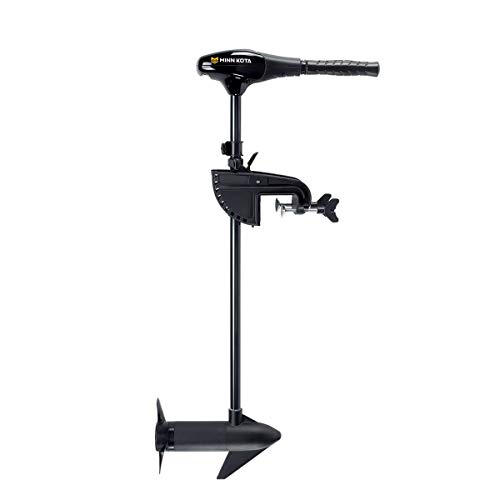
The Endura C2 30 Lb. model offers a compact, simple entry into electric trolling motors. It features a 6-inch telescoping tiller for easy, all-day control and includes a push-to-test battery meter integrated with the motor head. The 10-position lever lock bracket provides reliable angle adjustment, while the reinforced composite housing resists UV damage and warping. A power-prop designed for heavy vegetation helps push through thicker cover. Best for small craft, freshwater use, and anglers seeking straightforward control without extra features.
Best for: lakes and ponds with light vegetation, beginner anglers, and boats that prioritize simple, dependable operation. Caution: limited thrust means it’s less suitable for larger boats or strong currents.
Newport NV-Series 36lb Thrust Trolling Motor

This Newport NV-Series 36lb trolling motor is designed for lightweight, portable propulsion on kayaks, canoes, inflatables, and small boats. The model emphasizes saltwater compatibility and efficient operation with a two-blade propeller, which helps maximize runtime on smaller vessels. The LED battery indicator aids in monitoring your power reserve on longer trips. Best for: portable setup on smaller craft where weight and efficiency matter. Caution: less thrust for larger vessels or windy conditions.
Newport NV-Series 46lb Thrust Trolling Motor
The 46lb NV-Series is a step up in power for small to mid-sized craft. It combines saltwater-capable components with a 30-inch shaft, an LED battery indicator, and a 3-blade prop for improved low-end torque. This option suits anglers who need more thrust to handle modest currents without sacrificing efficiency. Best for: small boats requiring extra push, anglers who fish in mildly tougher conditions. Caution: heavier than the 36lb model, which may affect portability.
Minn Kota Endura C2 Transom-Mount 50 Lb. Thrust
The Endura C2 50 Lb. version offers stronger propulsion with a 42-inch shaft for boats that require deeper shaft placement. It retains the telescoping tiller, push-to-test battery meter, and the 10-position lever lock bracket. The prop is designed for heavy vegetation, making it a robust choice in thicker cover. Best for: mid-sized freshwater boats that need more thrust and stable steering. Caution: higher power requires careful handling on smaller craft.
Minn Kota Terrova Bow-Mount Electric Trolling Motor with GPS

The Terrova Bow-Mount combines high-end features with electric propulsion. Its GPS-based Spot-Lock and automatic pathing provide hands-free positioning, while the included wireless remote with an LCD screen supports seamless control. It also offers a One-Touch Deploy & Stow Lever for easy setup. Best for: anglers who value precision positioning, hands-free operation, and trolling in variable conditions. Caution: more complex to operate and typically higher cost than basic transom motors.
Buying Guide: Key Purchase Considerations
- Boat type and mounting: Transom vs. bow-mount configurations determine mounting needs and steering style. Transom motors are often simpler for small boats, while bow-mounts excel in precise positioning on larger setups.
- Thrust and vessel weight: Thrust ranges from 30 to 55+ pounds. Match thrust to boat size, load, wind, and water current expectations. Larger boats generally require more thrust.
- Shaft length: Shaft length should place the prop below the hull’s cavitation point. Common lengths include 30″ and 42″; choose based on boat transom height and water depth.
- Battery and efficiency: Look for models with battery indicators and energy-efficient props. If you’re on long trips, battery life becomes a central consideration.
- Cabinets and corrosion resistance: Saltwater-specific models use rust-resistant hardware and coatings. For freshwater boats, durability against UV and wear remains important.
- Controls and features: Telescoping tillers, lever locks, and GPS-based features (like Spot-Lock) improve handling and convenience but affect price and complexity.
Frequently Asked Questions
- What is the best trolling motor for a small freshwater boat?
– A 30–36 lb thrust model with a 30″ shaft is often ideal for light vessels on calm lakes. - Do I need a saltwater-rated trolling motor for coastal use?
– Yes, if you’ll encounter saltwater or humid coastal environments; corrosion-resistant hardware extends motor life. - Should I choose a bow-mount or transom-mount trolling motor?
– Bow-mounts offer precise control and GPS features; transom-mounts are typically simpler and cost-effective for smaller boats. - Are GPS-based trolling motors worth the extra cost?
– For anglers who fish with spot-locking or autonomous paths, GPS motors provide hands-free control and stability, but at a higher upfront cost. - What shaft length should I pick?
– If your waterline is high or you plan to deploy in deeper water, a longer 42″ shaft reduces cavitation and improves efficiency. - What maintenance is necessary for trolling motors?
– Regular cleaning, battery checks, and inspecting prop, seals, and mounting hardware help prevent corrosion and wear.