Best Double-Wall Gas Pipe Options for Safer, Efficient Venting
Find the best double-wall gas pipe for safe, efficient venting of wood, oil, coal, or gas stoves. This guide highlights top options, who they’re best for, and practical buying tips. Ideal for homeowners upgrading older stacks, installers seeking quick fits, and buyers prioritizing durability and temperature resistance.
Summary of selected products:
| Product | Size / Type | Material | Best For |
|---|---|---|---|
| DuraVent DVL 6DVL-24 | 6″ x 24″ | Galvanized & stainless steel double-wall | Compact, quick-install setups for wood-burning stoves |
| DuraVent DVL | 6″ x 48″ | Galvanized & stainless steel double-wall | Longer runs with strong draft stability |
| AllFuel HST 8″ x 48″ | 8″ x 48″ | 304 stainless steel, class-A double-wall | High-draft, all-fuel installations |
| AllFuel HST 6″ x 48″ | 6″ x 48″ | 304 stainless steel, class-A double-wall | Compact, all-fuel or multi-fuel applications |
| Selkirk SureTemp 6″ x 48″ | 6″ x 48″ | Stainless steel double-wall | UL-listed, high-heat scenarios for wood/coal/oil/gas |
DuraVent DVL 6×48 Double-Wall Pipe
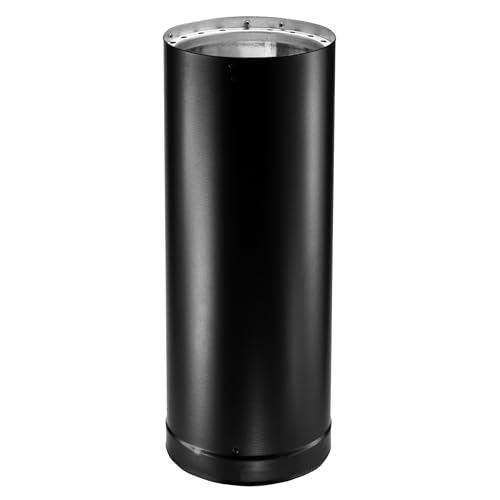
Reference: Double-wall construction helps maintain high flue gas temperatures to support a steady draft, supports multiple fuel types including wood, oil, coal, and gas, and is designed for quick installation. Best for buyers who want a durable, mid-length run with reliable draft and safety features. Caution: ensure compatibility with existing components and clearance requirements in your venting system.
DuraVent DVL 6DVL-24 Easy Install Pipe
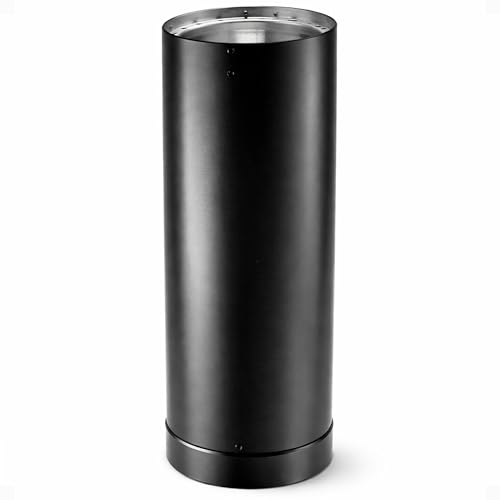
Reference: Double-wall design with a snug fit for quick installation and a secure connection to a stove pipe. Best for small-to-medium wood stoves or tent stoves where installation speed matters. Caution: confirm end-to-end compatibility with your ceiling support and weatherproofing components.
AllFuel HST 6×48″ Double-Wall Pipe

Reference: 304 stainless inner and outer walls with laser-welded seams for corrosion resistance, ceramic-fiber insulation providing 2″ clearance to combustibles while maintaining high internal temperatures for proper draft. Best for all-fuel installations requiring long-term durability. Caution: limited to AllFuel HST Class-A system connections; not compatible with other brands’ Class-A pipes.
AllFuel HST 8×48″ Class-A Pipe

Reference: 304 stainless Steel inner and outer walls with laser-welded seams and a ceramic fiber blanket insulation to maintain a 2″ clearance to combustibles. Best for setups needing higher heat resistance and longer, straighter runs. Caution: compatibility limited to AllFuel HST Class-A system components.
Selkirk SureTemp 6×48″ Pipe

Reference: Stainless steel inner liner with durable outer casing, UL-listed and tested up to 2,100 degrees Fahrenheit for surges. Best for high-heat, long-term reliability in wood, coal, oil, or gas venting. Caution: structure relies on compatible locking bands and seals for optimal performance.
Buying Guide
What should you consider before choosing a double-wall pipe?
Material matters. Stainless steel options (304 SS) resist corrosion better than galvanized steel in high-heat or corrosive exhaust environments. Class-A double-wall pipes provide enhanced insulation and fire safety for high-temperature drafts.
What size is right for your stove?
Measure stove outlet and chimney diameter. Common sizes are 6″ and 8″. Larger diameters support higher heat and more robust drafts but require bigger clearances and fittings.
Installation considerations
Check compatibility with ceiling support boxes, reducers, and finishing collars. Look for products with easy-fit designs to reduce cutting and crimping risks. Ensure proper clearances to combustibles as specified by the manufacturer.
All-fuel versus single-brand systems
All-fuel class-A pipes offer versatile usage across wood, oil, coal, and gas. When pairing brands, adhere to manufacturer instructions; mis-matched components may affect performance and safety.
Durability and safety features
Double-wall pipes with ceramic fiber insulation maintain internal temperatures for draft stability and reduce creosote buildup. UL-listed or equivalent safety ratings provide added assurance for long-term use.
Installation tips for best results
Ensure secure connections using locking bands, verify vent runs are straight where possible, and maintain consistent insulation clearances. Use compatible adapters and seals to minimize leaks and improve efficiency.
Common limitations to watch for
Some products are brand-specific (classified as AllFuel HST Class-A) and cannot connect to other brands’ class-A pipes. Check end-to-end compatibility to avoid installation issues.
Frequently Asked Questions
- What is double-wall pipe used for?
- Do all double-wall pipes fit all stoves?
- What diameter should I choose?
- Is stainless steel better than galvanized for double-wall pipes?
- Do I need professional installation?
- Can I mix brands?
It provides insulation between the vent interior and exterior, maintaining draft temperatures and improving safety across wood, oil, coal, and gas stoves.
No. Some models are brand-specific (especially class-A systems). Verify compatibility with your stove, ceiling box, and finishing components.
Choose based on your stove outlet and chimney size. 6″ and 8″ are common, with 8″ for higher heat or longer runs.
Yes, stainless steel generally offers greater corrosion resistance and durability, especially in high-heat, all-fuel environments.
While many installations are DIY-friendly, a professional ensures correct clearances and code compliance for safety.
Only when specifically approved by the manufacturer. Mixing non-compatible components can compromise performance and safety.