Best Direct Hot Water Tank Solutions for RVs and Small Spaces
Finding a reliable direct hot water tank for RVs, campers, or compact living spaces requires balancing durability, heating method options, and maintenance. The following five products are evaluated for dual-fuel capability, corrosion resistance, flexible power options, and ease of installation. This guide compares performance features to help you choose a model that suits off-grid use, indoor camping setups, or motorhome upgrades.
| Product | Tank Size | Heating Options | Key Benefit | Best For |
|---|---|---|---|---|
| KINGRVER RV Hybrid Water Heater | 6 Gallon | Gas, Electric, or Hybrid | ||
| Suburban Advantage RV Tank SW6DEL | 6 Gallon | DSI, Optional Electric Element | ||
| Suburban Advantage RV Tank SW10DE | 10 Gallon | DSI, Incoloy Electric Element | ||
| Suburban Advantage RV Tank SW6D | 6 Gallon | DSI, Electric Element | ||
| InSinkErator Instant Hot Water Tank | 2/3 Gallon | Electric |
KINGRVER RV Hybrid Water Heater — 6 Gallon Tank
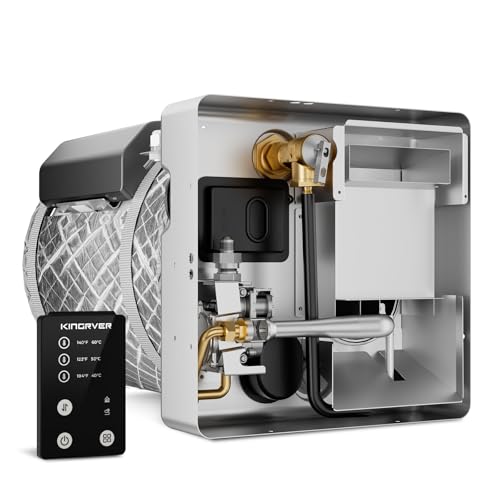
The KINGRVER 6-gallon hybrid water heater combines gas and electric heating with a direct spark ignition (DSI). The porcelain-lined steel tank resists corrosion and extends service life, while one-touch presets provide quick temperature options at 104°F, 122°F, and 140°F. Users can operate in gas-only, electric-only, or gas/electric hybrid modes, enabling faster recovery and efficiency in varied camping or RV scenarios. The unit is designed for reliable performance in both on-grid and off-grid setups, with clear temperature controls for season-to-season changes.
Suburban Advantage RV Tank SW6DEL — 6 Gallon, DSI with Electric Option

This Suburban model emphasizes durability with a porcelain-lined steel tank and a replaceable anode rod for corrosion protection. It supports a flexible power setup by offering an optional electric heating element, allowing use with campsite power or generators. Its maintenance-friendly design, including the anode rod as a drain, helps extend lifespan while maintaining consistent hot water delivery in RV applications.
Suburban Advantage RV Tank SW10DE — 10 Gallon, DSI with Incoloy Electric

The SW10DE provides a larger 10-gallon porcelain-lined steel tank for higher hot water demand. It features direct spark ignition and an optional Incoloy electric heating element. Like other Suburban models, it emphasizes corrosion resistance and easy maintenance through a durable tank and accessible components. This unit balances capacity and versatility for RV owners needing more hot water during extended trips or when multiple outlets run simultaneously.
Suburban Advantage RV Tank SW6D — 6 Gallon, DSI with Electric
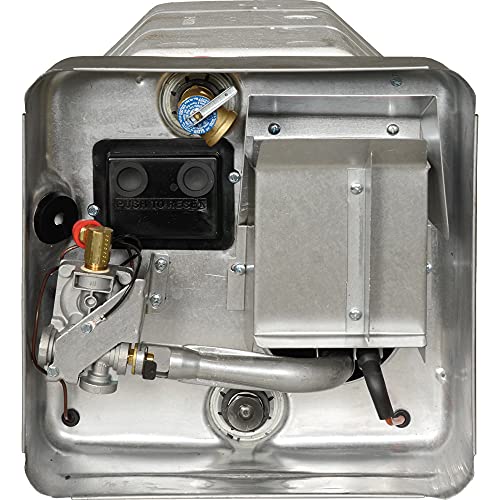
The SW6D combines a porcelain-lined steel tank with direct spark ignition and an optional electric element for flexible power usage. This model emphasizes durability and maintenance ease, including features that support RV installations that require reliable hot water with minimal modification. The design aims to provide steady performance across varied camping environments while resisting rust and corrosion over time.
InSinkErator Instant Hot Water Tank — 2/3 Gallon
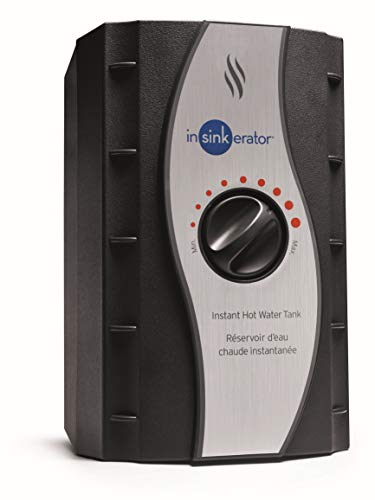
The InSinkErator HWT-00 provides instant hot water from a compact under-sink tank. With a 750-watt heating element and adjustable temperature, it offers near-boiling output in a small footprint, ideal for kitchens, RV galley areas, or mobile food setups. The stainless steel tank and simple installation support DIY enthusiasts, while dry start protection helps prevent damage if power is applied without water.
Buying Guide
- Tank size and hot water demand: Choose 6- to 10-gallon tanks for RVs and small homes depending on the number of outlets and user patterns. For quick tasks at a sink, a 2/3-gallon under-sink model may suffice.
- Heating options: Dual-fuel (gas and electric) options offer flexibility for off-grid and on-grid uses. Consider models with a direct spark ignition for reliability in varied conditions.
- Tank materials and longevity: Porcelain-lined steel tanks resist corrosion better than some aluminum variants. Look for replaceable anode rods to extend life and ease maintenance.
- Power compatibility: If electric heating is chosen, verify electrical capacity (breaker size, wire gauge) matches the unit’s requirements to avoid overloading circuits.
- Maintenance and accessibility: Features such as anode rods, drain ports, and simple drainage paths reduce long-term upkeep. Easy access panels save time during service.
- Installation considerations: Non-modifications-friendly options simplify RV upgrades. Check for DSIs, mounting clearances, and exhaust or venting needs when applicable.
- Safety features: Temperature controls, insulation, and leak protection are important for both households and mobile setups. Ensure compliance with local codes and manufacturer guidelines.
- Performance expectations: For higher demand, prioritize 10-gallon capacity and higher GPM potential in tankless or hybrid approaches to avoid running out of hot water quickly.