Best Deep Well Pump System for Reliable Home Water
Answer: A deep well pump system is best for homeowners who need dependable, long-lasting groundwater access, especially in rural or off-grid settings. This guide highlights five solid options and explains who each is best for, with practical buying considerations to help you choose.
| Product | Best For | Flow (GPM) | Head (ft) |
|---|---|---|---|
| Pump, Deep Well Submersible Pump, 1 Hp | Standard shallow to mid-depth wells | 33 | 207 |
| VERIWIS Septic Tank Pump 4″ Submersible | Septic and irrigation tasks | 26 | 138 |
| VEVOR Deep Well Submersible Pump, 1.5HP | Mid to deep wells, higher lift | 37 | 276 |
| ECO-WORTHY 12V DC Submersible Pump | Off-grid remote watering | 3.2 | 230 |
| ECO-WORTHY 12V DC Solar Well Pump Kit | Portable, solar off-grid use | 3.2 | 230 |
Introduction: This article compares five deep well pump systems suited for different setups—from standard home wells to off-grid and solar-powered applications. Each section explains who benefits most from that pump, why it was chosen, and a practical limitation to consider.
Deep Well Submersible Pump, 1 Hp — Stainless Steel
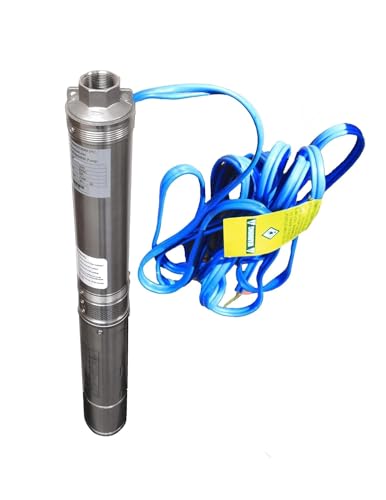
Best for: Homeowners with mid-depth wells seeking a reliable, all-metal construction. This 1 HP, 230V pump delivers up to 33 GPM and a 207 ft head. Its solid stainless steel body with a heavy-duty discharge suits long-term use in typical domestic wells. Limitation: Data indicates an industrial-grade build, but no warranty details are provided here, so verify any warranty terms before purchase.
VERIWIS Septic Tank Pump 4″ Submersible

Best for: Cisterns, septic maintenance, and irrigation where a robust stainless steel unit is advantageous. This 1/2 HP pump delivers about 26 GPM with up to 138 ft head. It features a stainless steel construction and clog-resistant bottom suction. Limitation: Although designed for challenging environments, installed systems should consider a compatible check valve and piping to prevent backflow and optimize efficiency.
VEVOR Deep Well Submersible Pump, 1.5HP

Best for: Users needing higher lift in deeper wells or when more water is required. The 1.5 HP model provides up to 37 GPM and a 276 ft head, with an external control box and a 33 ft cord. It uses stainless steel components and an IP68 rating for durability. Limitation: The manual notes not to run dry; ensure continuous water supply to avoid motor damage.
ECO-WORTHY 12V DC Submersible Deep Well Pump
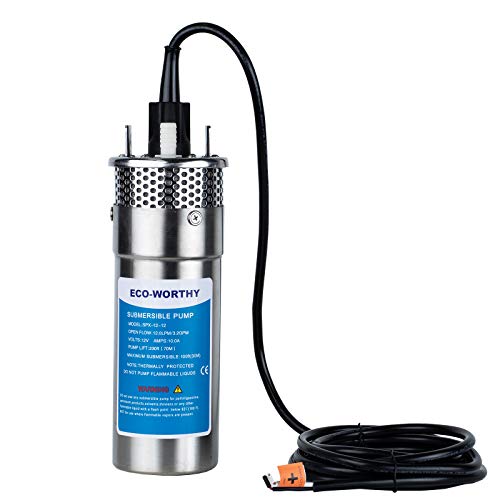
Best for: Off-grid watering needs where solar or battery power is available. This 12V DC submersible pump handles up to 3.2 GPM with a maximum lift of 230 ft. It’s suited for remote installations and can be powered by solar, car, or boat batteries. Limitation: It requires appropriate power management and an uninterrupted water source; run-time may depend on energy availability and storage.
ECO-WORTHY 12V DC Solar Well Pump Kit

Best for: Portable, solar-powered pumping in remote areas or temporary setups. The kit includes a 12V DC submersible pump with a solar panel option highlighted for off-grid use. It’s a practical solution when grid power is unavailable or costly to extend. Limitation: The solar panel is not included in some configurations; verify package contents and compatibility with your solar array and battery storage.
Buying Guide: Key Purchase Considerations
- Well depth and head: Match pump head (ft) to your well depth. Choose a higher head rating than your maximum static water level to ensure consistent flow.
- Flow needs: For households with multiple fixtures, prefer models offering higher GPM. If you only need occasional water or irrigation, a lower GPM may suffice.
- Power source: Decide between 110/230V AC, 12V DC, or solar. Off-grid setups benefit from DC or solar options with appropriate controllers and storage.
- Material and durability: Stainless steel components resist corrosion in groundwater and long-term use. Consider IP ratings for wet environments.
- Control and safety: External control boxes, overload protection, and dry-run prevention extend pump life. Ensure proper wiring and grounding are in place.
- Installation context: If installing in septic or other challenging environments, look for clog-resistant features and a robust discharge configuration that fits your plumbing.
- Maintenance considerations: Some models emphasize maintenance-free operation, but verify access to seals, screens, and impellers for serviceability.
Frequently Asked Questions
- What is a “deep well pump system”?
It is a submersible pump installed inside a well that pumps groundwater to the surface, commonly powered by AC, DC, or solar sources.
- How do I know which head rating I need?
Head rating should exceed the water depth to ensure reliable flow. Higher head supports deeper wells and higher fixtures demand.
- Are solar well pumps reliable in cloudy conditions?
Solar pumps depend on sunlight. Controllers and storage help maintain operation during variable conditions, but output can decrease with reduced sun.
- Is stainless steel essential for a deep well pump?
Stainless steel offers corrosion resistance in damp well environments, contributing to long-term durability.
- Can I use a submersible pump for irrigation and septic tasks?
Some pumps are designed for irrigation and effluent handling, but verify suitability for your specific application to avoid clogging or damage.
- What maintenance is required for these pumps?
Typical maintenance includes checking seals, impellers, screens, and wiring. Some models are designed to require less frequent service, but periodic inspection is recommended.