Best Deep Cycle Trailer Battery Options for Reliable Power on the Road
Looking for a reliable deep cycle trailer battery to fuel RV life, camping trips, or off‑grid adventures? This guide highlights five top deep cycle options well suited for trailers, caravans, and marine setups. Each product is evaluated for longevity, maintenance needs, and suitability for typical trailer loads like lights, pumps, and small appliances. The best pick depends on whether you prefer AGM, LiFePO4, or standard SLA designs. The table below helps you compare at a glance and jump to the details that matter most to your setup.
| Product | Type | Capacity | Best For |
|---|---|---|---|
| Weize Deep Cycle AGM 12V 100Ah | AGM | 100Ah | RV and off‑grid basics |
| WEIZE 12V 100Ah Deep Cycle Battery | AGM | 100Ah | Solar, trolling motor, cabin power |
| Renogy Deep Cycle AGM 12V 200Ah | AGM | 200Ah | Higher energy needs, larger trailer systems |
| VEMDIA 12V 100Ah LiFePO4 | LiFePO4 | 100Ah | Lightweight, long cycle life, rugged use |
| Interstate Batteries Marine Deep Cycle 12V 100Ah | AGM | 100Ah | Marine or heavy‑duty trailer use |
Weize Deep Cycle AGM 12V 100Ah Battery

Best for: RV owners and off‑grid setups who want maintenance‑free operation with solid discharge tolerance. This AGM design minimizes acid leakage and requires little upkeep, making it a practical choice for frequent trailer use in varied climates.
Why selected: It features a maintenance‑free AGM construction and a 1–3% monthly self‑discharge rate, which helps with long storage between trips. The 1150A max discharge current supports brief high‑draw events, such as starting accessories or pumps, while keeping a stable voltage profile during steady use.
Limitations: Like other AGM lead‑acid batteries, performance may drop in extreme cold; ensure charging in temperatures within the recommended range for best results. Always store charged and avoid prolonged exposure to deep discharge.
WEIZE 12V 100Ah Deep Cycle Battery

Best for: Trailer setups needing reliable 12V power with a compact, maintenance‑free design. Suitable for solar storage, trolling motors, or cabin circuits in caravans and campers.
Why selected: The 100Ah sealed lead acid design is maintenance‑free and spill‑proof, with a standard 12V system footprint. It’s compatible with typical 12V accessories and can be paired with solar charge controllers for extended off‑grid use.
Caution: This battery’s self‑discharge and charging profile depend on temperature; keep it near moderate temperatures to maximize lifespan. It is not the lightest option, so consider installation weight on smaller trailers.
Renogy Deep Cycle AGM 12V 200Ah

Best for: Trailer systems with higher power demands, such as larger solar arrays, extended boondocking, or households running multiple appliances concurrently.
Why selected: This 200Ah AGM battery provides substantial capacity, improving endurance between recharges for extended trips. AGM technology reduces maintenance needs and improves safety by minimizing acid leakage risk.
Limitation: It’s heavier and larger than 100Ah options, requiring more storage space and robust mounting. Ensure your trailer electrical compartment can accommodate its dimensions.
VEMDIA 12V 100Ah LiFePO4

Best for: Trailer owners prioritizing weight, lifespan, and safety with a long cycle life. Ideal for frequent recharging cycles or smaller space installations on boats and RVs.
Why selected: This LiFePO4 option integrates a smart BMS, cutting‑edge safety features, and a drop‑in size compatible with Group 31 boxes. It weighs about 24 pounds, roughly 70% lighter than lead‑acid equivalents, and promises up to 15,000 cycles under favorable DoD conditions.
Limitations: LiFePO4 cells require a compatible charging profile and BMS integration. Not suitable for engine starting or high‑drain crank needs; plan for separate starting power if your trailer requires it.
Interstate Batteries Marine Deep Cycle 12V 100Ah
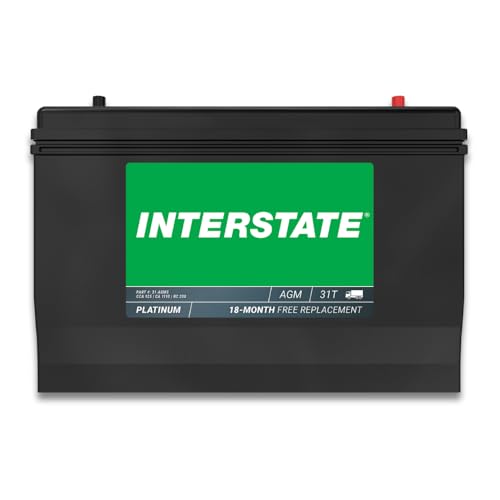
Best for: Marine or heavy‑duty trailer applications where consistent deep‑cycle power is needed for accessories, lights, and electronics while on the water or off‑grid sites.
Why selected: Interstate’s deep‑cycle AGM batteries emphasize durable cycle life and robust discharge capability, built to support continuous draw from marine accessories and trolling motors.
Caution: This type of battery is not intended to replace starting batteries in automotive applications. If you need engine cranking power, consider a dedicated starting battery in addition to a deep cycle unit.
Buying Guide: How to Choose the Right Deep Cycle Trailer Battery
Power needs: Estimate daily draw of lights, pumps, fridges, and electronics. Use this to choose capacity (Ah) and chemistry that matches your usage and charging options.
Chemistry choice: AGM is maintenance‑free and rugged against vibrations, ideal for trailers. LiFePO4 offers far longer life and lighter weight but requires compatible charging and BMS support. Lead‑acid sealed options are affordable but heavier and offer shorter cycles.
Weight and space: Heavier batteries require sturdy mounting and may affect trailer tongue weight. LiFePO4 is a strong weight‑to‑power advantage if space and weight are constraints.
Charging landscape: Ensure your solar panels, inverter/charger, and generator setup support the battery’s chemistry. LiFePO4 demands proper BMS and charging profile; AGM is more flexible with older charging gear.
Temperature tolerance: Cold temperatures reduce lead‑acid performance. If you trailer in winter climates, look for batteries designed to handle low temperatures or maintain a warmer storage approach.
Maintenance and safety: AGM and LiFePO4 both emphasize spill protection and safety. LiFePO4 also avoids thermal runaway but requires monitoring of temperature and charging so you don’t exceed limits.
Frequently Asked Questions
- What’s the difference between AGM and LiFePO4 for trailer use? AGM is maintenance‑free and robust but heavier with shorter cycle life. LiFePO4 is lighter and longer‑lasting but requires a compatible charging system and BMS.
- Can I use any deep cycle battery for a trolling motor? Yes, but verify the current rating and compatibility with your trolling motor’s power needs and your trailer’s electrical system.
- Which battery is best for a small trailer with solar panels? A 100Ah LiFePO4 battery offers the best long‑term performance and weight savings, provided your solar system supports the necessary charging profile.
- How do I extend the life of a lead‑acid deep cycle battery? Avoid deep discharges, store in a charged state, and maintain moderate charging temperatures to slow self‑discharge.
- Is a higher Ah rating always better for trailer batteries? Higher Ah provides longer runtime, but it also adds weight and cost. Match capacity to your expected daily load and charging options.