Best DC to AC Battery Pack and Portable Power Solutions for Travel and Home
Answering your search: the best DC to AC battery pack solutions include compact portable power banks with AC outlets, robust inverters, and universally compatible adapters. This guide highlights five top options, who they’re best for, and why they stand out. Perfect for travelers, outdoor enthusiasts, and emergency prep, these picks balance portability with practical power outputs. The following sections compare features, use cases, and potential caveats to help you choose confidently.
Summary table of selected products
| Product | Best For | Key Benefit | Concern |
|---|---|---|---|
| SinKeu 23,400mAh Portable Power Bank | Travelers needing on-the-go AC power | 120V/65W AC outlet with OLED display | Charge times may vary with high draw |
| Azocek 220W Inverter (DeWalt 20V Battery) | Outdoor workers and campers | Direct battery-powered AC from 20V packs | Batteries not included |
| BESTEK 500W Inverter | Vehicle-based power for larger devices | Two AC outlets and dual USB ports | Limited to under 500W continuous load |
| minidodoca 72W Adjustable Converter | Multi-device DIY power setups | 16 tips, adjustable 3–24V | Not an inverter; DC output only |
| ALITOVE 12V DC to 110V AC Converter | Car to home-style power needs | 12V car power to AC outlets | Usage limited by 120W continuous output |
SinKeu 23,400mAh Portable Power Bank With AC Outlet
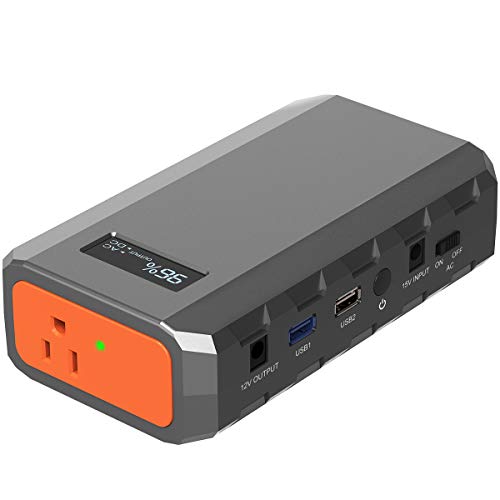
The SinKeu power bank combines a compact form with a 120V/65W AC outlet, making it a strong choice for travelers who need a quick AC power source on the go. It supports USB outputs and a DC output, enabling simultaneous charging of multiple devices like phones, tablets, and laptops. Its OLED display helps monitor remaining capacity, a practical feature for planning use during trips or outages.
Best for: on-the-go professionals and frequent travelers who want a throwable, all-in-one AC option without a heavy setup. Why selected: its compact size and real-time battery readout directly address the need for visible power levels and easy recharging during travel. Caution: high-wattage devices close to the 65W limit may run hot or require careful power budgeting.
Azocek 220W Inverter For DeWalt 20V Battery

This inverter is designed to work with DeWalt 20V batteries, providing 220W DC-to-AC power with a 110–120V outlet, plus two USB ports and a PD Type-C port. It suits outdoor jobs or emergency use where a battery pack is already available. Best for: professionals who already own compatible 20V batteries and need an adaptable AC source in the field. Caution: battery not included; ensure the battery is charged and fitted correctly to avoid reduced performance.
BESTEK 500W Power Inverter With USB
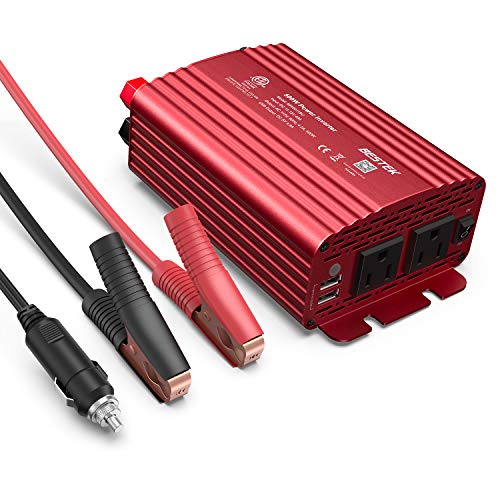
The BESTEK inverter delivers 500W continuous DC to AC, with two AC outlets and two USB ports. It is suitable for camping, road trips, or temporary off-grid setups where larger devices like laptops and tablets need reliable charging. Best for: vehicle-based power needs with multiple devices. Caution: ensure total load stays under 500W to avoid overheating or fuse triggering.
Wefomey Universal Power Supply With 14 Tips

This universal power supply offers adjustable DC output from 3V to 24V with 72W max, plus 14 DC tips to fit a broad range of devices. It serves well as a central power solution for low-wattage electronics or as a component within a larger battery-powered setup. Best for: DIY users who need flexible, multi-device charging from a single wall or battery source. Caution: not a battery to AC inverter; it does not convert DC to AC power.
Belker 12W Adjustable Voltage Universal Adapter

The Belker adapter provides multiple output voltages from 3V to 12V with an 8-plug set to accommodate various devices. It’s a practical add-on for home electronics, decorations, LED lighting, and small gadgets that require specific DC voltages. Best for: users needing a wide voltage range for low-power devices in a home or workshop. Caution: maximum continuous current is 1A, which limits use with higher-draw devices.
Buying Guide: Key Purchase Considerations
What will you power? Identify the devices you intend to run on DC-to-AC power. Big or AC-heavy loads (laptops, small appliances) require higher-wattage inverters. For USB-heavy needs (phones, tablets), a power bank with multiple USB outputs may suffice.
Portability vs. power. If you travel often, prioritize compact, lightweight options with built-in displays. If you’re building a small emergency kit or job site power, an inverter with higher continuous wattage and multiple outlets may be worth the extra size.
Battery type and availability. Some solutions rely on readily available battery packs (like DeWalt 20V), while others are standalone power banks. Consider whether you already own compatible batteries to minimize costs and maximize uptime.
Safety features. Look for short-circuit protection, over-voltage protection, thermal protection, and fuse-based safeguards. These reduce risk during outdoor or vehicle-based use.
Voltage compatibility. For adapters and DC supplies, confirm the output voltage matches your device requirements (3V–24V ranges are common in universal adapters). For AC inverters, verify the inverter’s peak and continuous power ratings align with device wattage.
Charging and recharging. Check input rates for faster recharging of the battery pack itself. OLED or LED indicators can help monitor status during travel or outages.
Frequently Asked Questions
- What is a DC to AC battery pack?
– It is a device that stores DC power and, via an inverter, converts it to alternating current (AC) suitable for household electronics. Some units also provide USB or DC outputs for direct charging of devices. - Can I run a laptop from a portable power bank?
– Yes, if the power bank includes a sufficiently strong AC outlet (typically 65W–100W or more) and the laptop’s wattage does not exceed the inverter’s continuous rating. - Is it safe to use car power adapters for long periods?
– Most car adapters include protection circuitry, but extended high-load use can heat components. Follow manufacturer guidelines and avoid continuous operation near device limits. - Do I need to own a battery to use a DeWalt or similar inverter?
– For DeWalt-compatible inverters, you must have the corresponding battery installed; the inverter itself does not include a battery. - Which option is best for travel with many devices?
– A compact power bank with multiple USB outputs plus a moderate AC outlet is ideal for charging phones, tablets, and light laptops while traveling. - Should I choose a universal adapter or a dedicated inverter?
– Choose a universal adapter for low-power devices with variable voltage needs. Choose an inverter when you need to power AC devices from a battery source.
In sum, the five highlighted options cover a spectrum from travel-ready power banks with AC outlets to vehicle-based inverters and universal adapters. When selecting, align the product’s output capacity with your device requirements, consider battery compatibility, and weigh portability against charging versatility. This approach helps ensure you get reliable power in a compact, user-friendly package for both everyday use and emergencies.