Best DC Input ATX Power Supplies for Small Form Factor PCs
Answering a common question for mini builds: these DC input ATX power supplies are designed for compact PC setups that require reliable 12V power with minimal space. This guide highlights five compact options, who they’re best for, and what to watch for when choosing. Ideal buyers include mini-ITX enthusiasts, PC hobbyists upgrading cramped cases, and anyone needing a compact,DC-input power solution with solid protection.
| Product | Wattage | Best For | Notes |
|---|---|---|---|
| RGEEK 1106 DC to DC ATX PSU | 300W | Ultra-compact builds | DC input 12V, short-circuit protection |
| IOASPOW DC 12V 300W 24Pin ATX | 300W | Budget Pico PSU enclosures | Inline 24P, 12V input |
| RGEEK 24-Pin ATX PSU | 450W peak | Moderate-performance Mini ITX | 2.5mm/5.5mm DC input connectors |
| Mini ITX DC Power Supply 350W (FOSA) | 350W | Silent builds | Fanless, 85%+ efficiency |
| RGEEK 24pin DC ATX PSU 250W | 250W | Slim HTPC or light-duty | DC input 12V, compact |
RGEEK 1106 DC to DC ATX PSU 300W
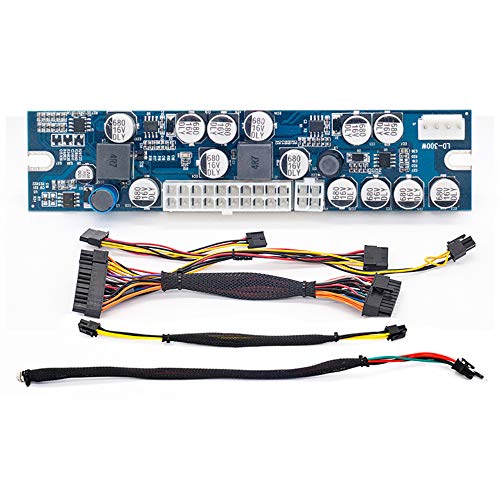
Type: Pico ATX switch PSU for compact PC builds. Input voltage range is 11.2 to 12.6V DC. The 2.5mm inner diameter and 5.5mm outer diameter DC input connector matches many small-form-factor adapters. It includes short-circuit protection that shuts down output on fault, and output shutdown at peak current to protect the system. Best for ultra-compact cases where 12V DC input is stable and you need a compact ATX solution. A potential limitation is that peak output and protection responses depend on load conditions, so plan around your typical power envelope.
IOASPOW DC 12V 300W 24Pin ATX Connector
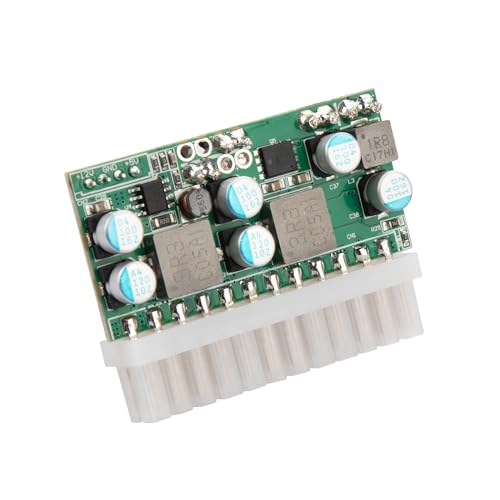
Best for budget Pico PSU builds or inline 24P ATX configurations needing a straightforward 12V input. It lists inline 24P and a +12V DC input with a 300W output. Choose this if you want a simple, compact power module without extra features. Limitation: no explicit short-circuit protection details beyond standard safety presence, so ensure proper enclosure and wiring to prevent faults.
RGEEK 24-Pin ATX PSU 450W Peak Output

Best for mini ITX builds needing higher peak power without bulk. It features a 12V DC input with 2.5mm/5.5mm connectors and short-circuit protection that shuts the output if the line detects a fault. This model is better for mid-range workloads where a 450W peak output provides a comfortable margin. Limitation: real-world continuous output may be lower than peak, so verify your typical draw.
ATX Power Supply Breakout Board with Adjustable Voltage
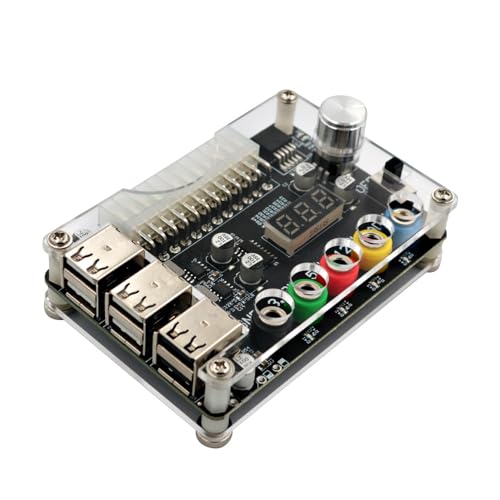
Best for DIY enthusiasts needing adjustable 3.3V/5V/12V and a visible voltage readout. It includes a 13-24V input with an adjustable output range 1.8V-10.8V and a 3A max output. It’s useful for prototyping and education but not a direct one-to-one replacement for a standard ATX PSU in a finished PC build. Caution: not a complete power supply for a full PC; requires careful wiring and adherence to safety guidelines.
FOSA Mini ITX DC Power Supply 350W

Best for silent, small form factor builds needing reliable 12V power with a fanless design. It provides a stable 350W output with high efficiency, suitable for quiet home theater PCs or compact office machines. Limitation: no explicit noise profile beyond fanless operation; cooling performance depends on enclosure and airflow in tight spaces.
RGEEK 24pin DC ATX PSU 250W Peak Output

Best for light-duty mini builds or HTPCs with modest power needs. It uses a 12V DC input and a 250W peak output, with short-circuit protection. Choose this if your system draws well within 250W and you need a compact, straightforward solution. Limitation: lower peak capability means not ideal for higher-end GPUs or processors under load.
Buying Guide
- Power requirements: Match wattage to your components. Overprovision by 20–30% for headroom, especially in compact builds where physical space and airflow are limited.
- DC input compatibility: Verify input voltage range and connector size (2.5mm/5.5mm) to ensure a proper fit with your adapter or enclosure.
- Protection features: Look for short-circuit protection and safe shutdown behavior. In small enclosures, protection helps prevent damage from wiring faults.
- Form factor and cooling: Fanless designs are quiet but rely on good case airflow. For higher workloads, consider a compact PSU with a small, efficient fan.
- Ease of integration: Choose PSUs with clear labeling and simple wiring for Pico or mini ITX builds. breakout boards are handy for DIY projects but require careful assembly.
- Future-proofing: If you anticipate upgrades, select a datasheet that supports higher wattage or broader input options to avoid early replacements.
FAQ
- What does “DC input” mean for ATX PSUs?
It means the unit accepts a direct current source (usually a regulated 12V line) rather than standard AC power. This is common in compact or embedded PC builds and often requires a separate DC-DC step or an external adapter.
- Are these PSUs safe for mini ITX builds?
Yes, provided the wattage fits your load and the enclosure allows adequate cooling. Look for short-circuit protection and stable 12V output to protect sensitive components.
- Is 450W peak output enough for a compact PC?
For most basic mini ITX systems, yes. Peak output indicates the maximum momentary capability, not continuous power. Ensure your typical draw stays well below peak.
- Should I choose a fanless PSU for a quiet build?
Fanless is ideal for silence but relies on steady airflow. In cramped cases, plan for passive cooling or a low-noise cooling strategy to avoid overheating.
- What is the risk of using a breakout board?
Breakout boards offer flexibility but require careful wiring and safety practices. They are best for DIY enthusiasts with electronics experience.
- Can I mix DC input PSUs with traditional ATX power supplies?
Not recommended. DC-input PSUs are designed for specific inlets and configurations. Use adapters designed for DC-input modules or select a standard ATX PSU for traditional builds.