Best CO2 and Carbon Monoxide Detectors for Home Safety and Travel
Answering the need for reliable carbon monoxide (CO) protection, this guide highlights top CO detectors and CO2 monitors that are easy to use, portable, or plug-in. Best for homeowners who want continuous CO monitoring during power outages, renters seeking portable options, or travelers needing travel-ready detectors. The following picks balance battery-powered portability, plug-in convenience, and dual-sensing capabilities for smoke and CO. Use the quick table below to compare the chosen options at a glance.
| Product | Type | Best For |
|---|---|---|
| Kidde Carbon Monoxide Detector, AA Battery Powered, Portable | Battery-powered portable CO alarm | Renters, travelers, or rooms without outlets |
| First Alert Carbon Monoxide Detector, Plug-In Alarm with Battery Backup | Plug-in with battery backup | Home protection with continuous monitoring during outages |
| Kidde Carbon Monoxide Detector, Plug-in with AA Battery Backup | Plug-in with backup batteries | Homes needing stable power and outage resilience |
| Kidde Carbon Monoxide Detector, AA Battery Powered, Portable for Travel or Home | Portable CO detector with LEDs | Travel or small spaces requiring portable CO monitoring |
| First Alert Combination Smoke & Carbon Monoxide Alarm | 2-in-1 smoke and CO alarm | Homes seeking combined protection and early warnings |
Kidde Carbon Monoxide Detector, AA Battery Powered, Portable
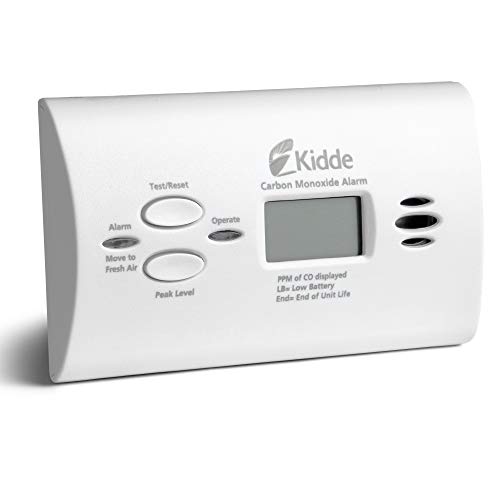
The Kidde portable CO detector uses an electrochemical sensor to identify carbon monoxide gas. It runs on two AA batteries, so it functions during power failures. Small and easy to install on a wall or tabletop, this model is best for renters or travelers who need immediate CO monitoring without wiring. A practical caution is that battery life depends on usage and sensor activity; replace batteries as needed to maintain continuous protection.
First Alert Carbon Monoxide Detector, Plug-In Alarm with Battery Backup

This plug-in CO detector provides continuous monitoring with a battery backup for outages. Its advanced electrochemical sensor detects CO levels reliably in any room placement. It features a simple test/silence button and an 85 dB alarm. A potential limitation is that wall outlets may occupy convenient space; consider placement away from vents or furniture to avoid false alarms.
Kidde Carbon Monoxide Detector, Plug-in with AA Battery Backup

With a backlit digital display showing CO levels and a rotating plug for vertical or horizontal outlets, this detector blends visibility with dependable power. It operates on 120V AC and uses two AA batteries for backup. It’s best for homes wanting real-time CO readouts and flexibility in outlet placement. A shortcoming is that it may require regular battery checks to ensure backup power remains active during outages.
Kidde Carbon Monoxide Detector, AA Battery Powered, Portable
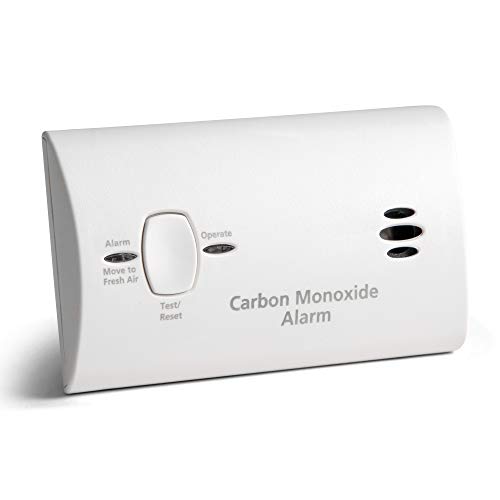
This portable CO detector uses electrochemical sensing and two AA batteries to maintain operation during power outages. It is designed for wall mounting or tabletop use, with a green power indicator and an 85 dB alarm for CO presence. It’s a solid choice for those who travel with a compact, easy-to-carry detector. A limitation is that non-replaceable sensors or age-related drift may affect long-term accuracy; schedule periodic replacements as recommended by the manufacturer.
Kidde Smoke and Carbon Monoxide Detector, 10-Year Battery

This 2-in-1 detector provides early warnings for both smoke and carbon monoxide, using an 85 dB alarm and LED indicators. The 10-year built-in battery reduces maintenance, and the device includes a voice alert for hazard announcements. It’s best for homeowners seeking consolidated protection. A limitation is that it is a larger unit; ensure there is adequate mounting space in the intended room.
Buying Guide
What type of detector should you choose? Consider plug-in versus battery-powered options. Plug-in models with battery backups ensure continuous monitoring during outages, while battery-only units excel in rooms without outlets or for travel use.
Where should detectors be placed? Place detectors near sleeping areas and as required by local codes. Avoid mounting on or near kitchens, bathrooms with heavy humidity, or near vents that could cause false alarms.
What sensor technology is best? Electrochemical sensors provide accurate CO readings and are common in consumer detectors. Combination smoke and CO detectors offer convenience but ensure the device meets local safety standards for both threats.
How important is a digital display? A backlit digital readout helps monitor CO levels at a glance. However, many essential alarms prioritize loud audible warnings; consider user needs for readability and quick status checks.
Power coverage and maintenance: Battery backups support outages; check replacement schedules and battery compatibility. For plugged-in units, ensure outlets are accessible for testing and silencing without unplugging the unit.
Installation And Placement Tips
- Install at least 5 feet above the floor and 10 feet away from cooking appliances if possible to reduce nuisance alarms.
- Mount detectors on all levels of the home, including the basement, and inside or just outside sleeping areas.
- Keep detectors away from direct drafts, high humidity zones, and heating vents to reduce false alarms.
FAQ
- Do I need CO detectors if I have smoke alarms? Yes. CO detectors specifically monitor carbon monoxide, which is odorless and colorless, and may require separate alarms in sleeping areas or near fuel-burning appliances.
- How often should CO detectors be tested? Test monthly using the device’s test button and replace batteries as needed for models with battery power.
- Can I place a detector in a travel bag or hotel room? Portable CO detectors are suitable for travel, but ensure they meet regulatory and safety guidelines for use in temporary accommodations.
- What does a CO detector alarm mean? An audible alarm indicates a potentially dangerous CO level. Evacuate the area, call emergency services if needed, and ventilate the space after the area is deemed safe.
- Should I replace a detector after a certain time? Many detectors have recommended lifespans or end-of-life indicators; follow the manufacturer’s guidelines and replace devices as required to maintain protection.
- Are combination smoke and CO detectors better? They provide consolidated protection, which is convenient, but ensure the unit design meets your space and safety needs, and that you understand which hazard triggered the alarm.