Best 1 Pole Circuit Breaker Options for Safe, Reliable Electrical Protection
Selecting the right one pole circuit breaker is essential for protecting residential circuits from overloads and short circuits. This guide highlights five reliable 1-pole models, covering common amperages and key features to suit different wiring setups. Each option is chosen for compatibility with standard enclosures, easy installation, and solid interrupting ratings. Read on to compare specs, installation notes, and practical considerations to help you choose the right 1-pole solution for your home electrical system.
| Product | Brand | Amperage | Voltage | Key Benefit |
|---|---|---|---|---|
| Siemens Q120 20-Amp | SIEMENS | 20A | 120V | Insta-wire, Plug-in in Siemens enclosures |
| Siemens HI Q130 30-Amp | SIEMENS | 30A | 120V | High interrupting rating, reliable QP family |
| Chtaixi AC Miniature 10A | CHTAIXI | 10A | 120/240V | Thermal-Magnetic trip, DIN rail mount |
| Kerwinn 1-Pole 20A | kerwinn | 20A | 120/240V | DIN rail mount, visual trip indicator |
| smseace 20A 1-Pole | smseace | 20A | 230V | Compact DZ47-63 series, single pole |
Siemens Q120 20-Amp Single Pole Type QP

The Siemens Q120 is a 20-amp, single-pole circuit breaker designed for 120V circuits. It carries a 10,000 AIC interrupting rating and is part of the QP family, known for easy plug-in connections in Siemens enclosures. The insta-wire feature helps streamline installation, reducing wiring time and potential errors in residential panels. This model is suitable for standard branch circuits like lighting and receptacle runs, and it fits most Siemens commercial and home panels that support QP breakers.
Siemens HI Q130 30-Amp Single Pole
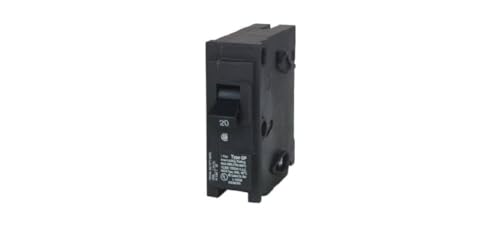
The Siemens HI Q130 30-Amp single-pole breaker provides robust protection for higher-load circuits at 120V. With a 10,000 AIC interrupting rating, it maintains reliable protection in standard panels while preserving the quick plug-in connection and insta-wire convenience that Siemens breakers are known for. This option is ideal for kitchens, workshops, or any area with elevated lighting and appliance demands where a 30A circuit needs protection.
Chtaixi AC Miniature 10A 1-Pole

This 1-pole 10A miniature breaker from Chtaixi is designed for 110V-230V AC circuits. It features a thermal-magnetic trip mechanism, which enhances protection for both overloads and short circuits. The compact DIN-rail form factor makes it a practical choice for panel boards and consumer electronics installations where space is at a premium. It’s suitable for small appliances, control circuits, and other low-current applications in residential or light commercial settings.
Kerwinn 1-Pole 20A DIN Rail Mount

The Kerwinn 1-Pole 20A circuit breaker is designed for DIN rail installation in marine and solar systems as well as typical home panels. It supports 120V/240V operation and uses a flame-retardant shell with a clear viewing window to monitor the breaker status. Its safety features include rapid tripping on short circuits, helping protect wiring and appliances in multi-branch installations. The large interface aids in user-friendly mounting and diagnostics.
smseace Miniature 1-Pole 20A

The smseace DZ47-63 based 20A miniature breaker provides protective trips for 230V circuits, commonly used in residential and light commercial panels. It is a single-pole device designed for straightforward DIN rail installation. Features include a compact footprint and a practical design that makes it suitable for protecting individual branch circuits such as lighting or outlet runs, while offering reliable short-circuit protection and overload protection.
Buying Guide: Key Considerations For 1-Pole Circuit Breakers
- Current rating: Match the breaker amperage to the branch circuit’s load. Common choices include 10A, 20A, and 30A for residential wiring. Oversizing can leave circuits unprotected; undersizing can trip nuisance.
- Voltage compatibility: Ensure the breaker supports your system voltage (typically 120V or 230V in the US). For most homes, 120V single-pole breakers are standard for lighting and receptacle circuits; some panels also support 230V configurations.
- Interrupting rating: A higher AIC (ampere interrupting capacity) improves protection against arcing during a fault. For typical residential panels, a 10,000 AIC rating is common and sufficient.
- Installation style: Choose between plug-in (bolt-in) QP-type breakers or DIN-rail mounted miniatures. DIN-rail breakers are popular in panels and electrical enclosures for added modularity.
- Physical form factor: Ensure the breaker fits your panel design and enclosure. Some models are designed for Siemens enclosures; others use standard DIN rails.
- Thermal-magnetic vs. magnetic trip: Thermal-magnetic trip works well for most household circuits, providing reliable overload and short-circuit protection. Magnetic trip is typically faster for short circuits but may be more sensitive to certain fault conditions.
- Brand compatibility: If you’re working within a specific panel family (like Siemens QP), using compatible breakers can simplify installation and warranty considerations.
- Indicator features: Some miniature breakers include visualization windows or color indicators to quickly verify status, which can be helpful for panel inspections.
- Durability and certifications: Look for breakers with UL listing and recognized safety certifications. A robust shell and durable contacts support long-term reliability.
When selecting a 1-pole circuit breaker, balance amperage needs, panel compatibility, and installation preferences. For typical household lighting and receptacle circuits, a 15–20A 1-pole breaker is common; higher loads or specialty circuits may benefit from 30A units. Always verify panel ratings and consult a licensed electrician if you’re uncertain about compatible breakers or safe wiring practices.