Best Charging Units for Electric Cars in 2026: Top Home Level 2 Chargers
Choosing the right home charging unit can simplify daily EV ownership by delivering faster charging, smart scheduling, and network features. The following selections highlight Level 2 EV chargers that are compatible with most North American vehicles, easy to install, and backed by solid warranties. Use this guide to compare performance, connectivity, and safety features across popular brands.
Summary of chosen products
| Product | Brand | Max Amperage | Plug/Connection | Key Feature |
|---|---|---|---|---|
| ChargePoint HomeFlex J1772 (Hardwired) | ChargePoint | Up to 48A | J1772, Hardwired | Robust app controls and broad network access |
| ChargePoint HomeFlex J1772 (NEMA 14-50) | ChargePoint | Up to 50A | NEMA 14-50 Plug or Hardwired | Flexible installation options, strong app integration |
| EVIQO Level 2 EV Charger 48A | EVIQO | Up to 48A | Hardwired | Weatherproof, smart app with schedules |
| NexCyber Level 2 EV Charger 48A | NexCyber | Up to 48A | NEMA 14-50P or Hardwired | ETL certified, broad vehicle compatibility |
| Autel Home Smart EV Charger 50A | Autel | Up to 50A | Wi‑Fi / Bluetooth | CSA/NEMA 4 weatherproof with high-speed charging |
ChargePoint HomeFlex J1772 — Hardwired, 48A

The ChargePoint HomeFlex J1772 model emphasizes flexible installation and strong network support. It can be wired for a dedicated 48A circuit, delivering faster Level 2 charging for most EVs. The unit integrates with ChargePoint’s mobile app for charging control, reminders, and status information, and it supports smart home integrations in compatible setups. A broad network footprint offers access to thousands of public charging locations, which can be advantageous for long trips. WiFi connectivity is necessary for some features and troubleshooting. This charger is designed for home use with professional installation if needed.
ChargePoint HomeFlex J1772 — NEMA 14-50 Plug

This variant offers installation flexibility with a NEMA 14-50 plug while retaining ChargePoint’s Smart charging ecosystem. It supports control via the ChargePoint app, enabling schedules, reminders, and device connections for smart home setups. The expansive network of ChargePoint stations provides reassurance when traveling beyond the home, and the platform is known for ongoing feature updates. Connectivity is key for advanced functions, so ensure your home WiFi is reliable to maximize usage and troubleshooting support.
EVIQO Level 2 EV Charger 48A — Hardwired
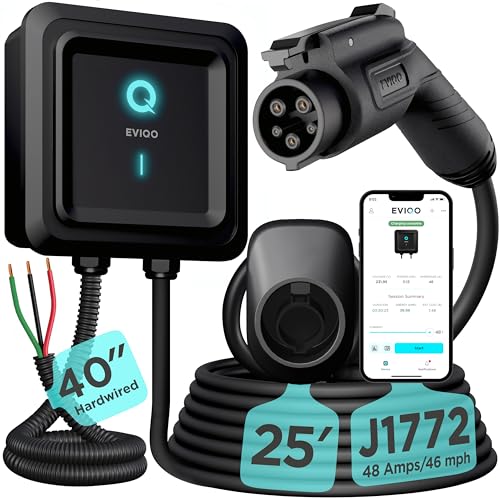
The EVIQO 48A Level 2 charger emphasizes weather resistance and smart automation. It is UL compliant and listed with Energy Star, ETL, and FCC certifications, helping to support safety rebates where applicable. The unit is designed for indoor or outdoor use with NEMA 4 and IP66 protection standards. The accompanying smart app supports scheduling, live power tracking, and firmware OTA updates, helping users optimize charging costs and performance. A 3-year warranty provides additional long-term security for homeowners.
NexCyber Level 2 EV Charger 48A — 14-50P or Hardwired

The NexCyber charger supports both NEMA 14-50P plug and hardwired installation to reach up to 48A, offering flexibility for different homes and installations. It follows established safety standards (UL, ETL, FCC) and carries a 3-year warranty. The included features emphasize safety and performance, with compatibility across a wide range of non-Tesla and Tesla EVs (with adapters). This model is well suited for individuals who want a robust Level 2 charger with professional installation recommended for optimal safety.
Autel Home Smart EV Charger 50A

The Autel charger blends speed with weather resistance, offering up to 50A charging for rapid replenishment of EV batteries. It supports Wi‑Fi and Bluetooth for remote monitoring via a mobile app. The unit is CSA certified and designed for indoor/outdoor use with NEMA 4 protection, making it suitable for various climates. The heavy-duty 25-foot cable provides flexibility for most garage layouts and parking arrangements. Autel emphasizes safety protections and a stylish, compact design that works well with multiple EV models across the market.
Buying Guide: Key Purchase Considerations
When selecting a home Level 2 charging unit, consider the following factors to ensure you get the best value and reliability for your EV and home setup:
- Electrical compatibility: Confirm your electrical panel can handle the charger’s amperage. A 40A–60A capable circuit is common for most homes. Some units offer 48A operation with a 60A circuit, giving room for future vehicle upgrades or additional loads.
- Hardwired vs. plug-in: Hardwired installations tend to be neater and more weatherproof, while plug-in (NEMA 14-50) offers flexibility if you plan to relocate or replace the charger easily.
- Connectivity and app support: Apps enable charging scheduling, remote monitoring, and energy tracking. WiFi reliability is crucial for full functionality and troubleshooting access.
- Safety certifications: Look for UL, ETL, FCC, or CSA certifications, plus weatherproof ratings (NEMA 4, IP ratings) for outdoor use and potential rebates.
- Vehicle compatibility: Most Level 2 chargers use the J1772 connector, which covers non-Tesla EVs. Tesla owners may need adapters for certain installations.
- Warranty and service: A multi-year warranty and accessible customer support can reduce long-term maintenance concerns.
- Network benefits: Chargers connected to a large network can be advantageous for long-distance travel and ongoing software updates that improve performance and security.
- Installation considerations: Some units require professional installation, especially hardwired options. Verify local electrical codes and permit requirements before purchasing.
Performance and Usability Perspectives
From a performance perspective, higher amperage units shorten charging time for typical daily driving needs, especially for households with multiple EVs. In practice, the real-world charge speed will depend on vehicle onboard charging limits, the available electrical supply, and the charger’s current settings. Smart features—scheduling during off-peak hours, energy monitoring, and app-based control—offer long-term savings and convenience, particularly as electricity pricing and utility programs evolve. For typical homeowners, a 48A Level 2 charger paired with a reliable app ecosystem presents a balanced combination of speed, control, and future-proofing.
Installation And Longevity Considerations
Investing in a weatherproof, UL-listed charger with a robust warranty is prudent if you plan to mount the unit outdoors or in harsh climates. A flexible installation approach—choosing hardwired versus plug-in based on home layout—can affect both initial cost and long-term maintenance. Cable length matters for parking alignment; a 20–25 foot cable generally covers most garage configurations. Regular firmware updates and responsive customer support help maintain performance and security over time.
Why Networked Chargers Matter
Networked chargers connect to a growing ecosystem of charging stations, enabling cross-location charging data and more accurate usage statistics. In addition to convenience, these features can support rebates or utility programs that reward off-peak charging. For households with longer commutes or shared vehicles, a networked charger provides peace of mind through remote monitoring and healthier energy management across multiple drivers.