Best Carbon Monoxide Detectors for Homes: Reliable Choices for Safer Living
Choosing the right carbon monoxide detector is essential for home safety. This guide highlights five highly reliable models suitable for typical American households, emphasizing ease of installation, battery backups, sensor technology, and practical features. Each option balances accuracy with quick alerts to protect loved ones. Review the quick comparison table below to find the best fit for your home, then explore detailed product sections to understand what each detector offers in real-world use.
| Product | Type | Power | Key Benefit |
|---|---|---|---|
| Kidde Carbon Monoxide Detector, Plug in Wall with AA Battery Backup | Plug-in with Battery Backup | 120V + Battery | Reliable, continuous protection during outages |
| NICGOL 4-in-1 Plug-in Gas & CO Detector | Plug-in 4-in-1 (Gas, CO, Temp, Humidity) | 110V–220V AC | Multi-parameter safety for homes and RVs |
| Kidde Carbon Monoxide Detector, Battery Powered CO Alarm | Battery-Powered | 2 AA Batteries | Portable, versatile placement |
| First Alert CO605 Carbon Monoxide Detector | Plug-in with Battery Backup | Plug-in + Battery | Advanced electrochemical sensor for accurate readings |
| First Alert Combination Smoke & Carbon Monoxide Alarm SMCO100 | Combination Smoke & CO Alarm | Battery operated | 2-in-1 protection and simple maintenance |
Kidde Carbon Monoxide Detector, Plug in Wall with AA Battery Backup
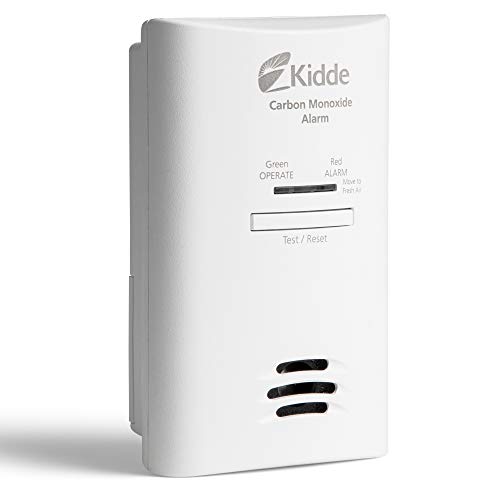
The Kidde CO605 detector provides dependable protection for homes with a plug-in design and a 2-AA battery backup. It features an 85-decibel alarm to alert occupants when CO is detected. The device is easy to install in any standard outlet, ensuring continuous monitoring during power outages when the battery backup engages. A straightforward operation profile makes it suitable for first-time installers and renters seeking reliable CO monitoring without complex setup.
Key features include easy plug-in placement, battery backup for outages, and a reliable 85 dB alert. Keeping CO detectors accessible in high-traffic areas like hallways or living rooms provides timely warning and improves overall home safety. The unit’s electrochemical sensor is designed for consistent performance across a wide range of CO levels, with a simple test button to verify operation.
NICGOL 4-in-1 Upgraded Gas & CO Detector

This upgraded 4-in-1 detector combines natural gas detection, carbon monoxide sensing, temperature, and humidity measurement. Dual sensors and a reinforced alert mechanism deliver rapid environmental analysis for household safety in homes and RVs. It activates with visual and audible warnings at designated thresholds (CO ≥ 150 PPM or gas density ≥ 5% LEL) and emits a loud alarm with flashing indicators to prompt immediate action. The unit supports 110V–220V AC power with ultra-low standby consumption, supporting sustainable operation.
Operational efficiency is enhanced by long-term sensor life and reduced maintenance needs, thanks to its advanced electronics. It is well-suited for spaces where multi-parameter monitoring is valued, such as kitchens near natural gas appliances or garages where leaks may occur. While primarily positioned for CO and gas detection, the device’s temperature and humidity readings add context during incident reviews or routine safety checks.
First Alert Carbon Monoxide Detector, CO605 Plug-In
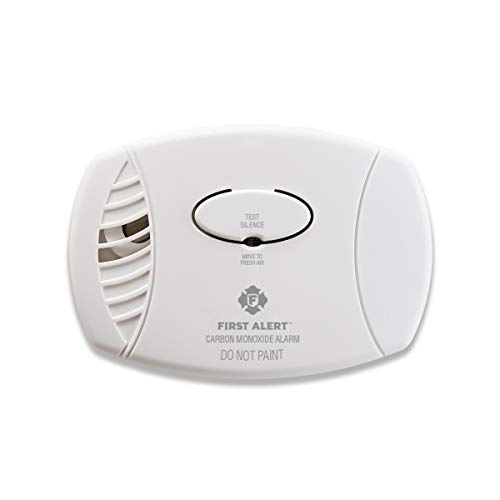
The CO605 from First Alert uses an electrochemical sensor to provide accurate CO detection and plug-in convenience. It supports continuous monitoring and includes a battery backup for power outages, ensuring protection even when the power is out. The detector’s 85 dB alert is designed to be noticeable without being excessively intrusive, and the unit’s simple design supports easy placement in living spaces, hallways, or bedrooms where CO risks may be higher.
Installation is straightforward, and the unit’s reliability stems from established sensor technology. Users should position it away from direct drafts and proximity to fuel-burning appliances to avoid nuisance alarms while maintaining effective monitoring. Regular testing using the built-in test feature ensures ongoing performance and peace of mind in homes with older electrical systems.
Kidde Carbon Monoxide Detector, Battery Powered CO Alarm
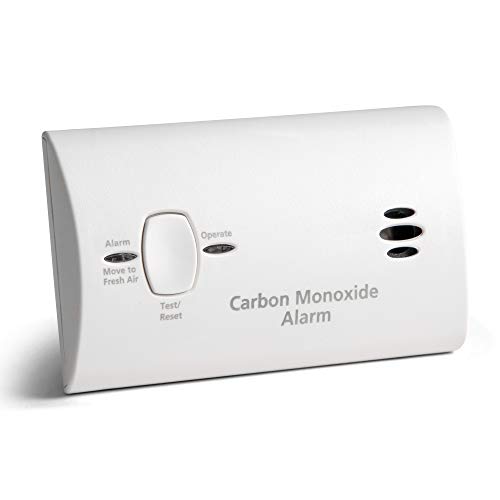
This portable, battery-powered CO detector from Kidde operates on 2 AA batteries, enabling flexible placement anywhere in the home. LEDs indicate power status, while an 85-decibel alarm signals the presence of CO. The device is easy to install, does not require wiring, and can be moved as needed to monitor different rooms or travel trailers. The battery-powered design is particularly useful for rental properties or locations where permanent installation is not feasible.
Ideal for temporary safety coverage, this detector supports reliable CO monitoring during outages and in areas without convenient access to mains power. For continuous protection, ensure fresh batteries are available and replace them according to the manufacturer’s guidance, especially in regions with frequent power interruptions or extreme temperatures that can affect battery life.
First Alert Combination Smoke & Carbon Monoxide Alarm SMCO100

This First Alert model provides 2-in-1 protection against smoke and carbon monoxide with a battery-operated design for easy installation. The detector offers a single test/silence button and a loud alarm to alert occupants during emergencies. It is suitable for spaces where both fire and CO risks must be monitored without complex wiring. Regular maintenance, including dust checks and battery replacement, helps maintain reliable operation over time.
First Alert Combination Smoke & CO Alarm SMICO100-AC

The SMICO100-AC interconnect hardwire detector expands protection by linking compatible alarms. It includes a quick-connect plug for straightforward installation and interconnection, ensuring that when one unit detects CO or smoke, all connected units alert simultaneously. This feature is beneficial for multi-story homes or larger layouts where synchronized alarms improve overall safety. The device also includes a battery backup for continued monitoring during power outages.
Buying Guide
- Detection type: CO alarms typically use electrochemical sensors for accuracy. Look for devices with this sensor technology for dependable readings.
- Power source: Choose plug-in models for continuous monitoring with battery backups, or battery-powered units for flexible placement and portable use.
- Backup and reliability: Battery backups are essential during outages. Interconnected alarms provide broader coverage in multi-room layouts.
- Placement guidelines: Install CO detectors on every level of the home, outside sleeping areas, and away from cooking appliances to reduce nuisance alarms.
- Maintenance: Regular testing, cleaning, and battery replacement schedules ensure ongoing effectiveness. Review manufacturer recommendations for replacement intervals.
- Smart features: Some models offer additional sensors (temperature, humidity) or interconnection capabilities. Evaluate whether these extras improve safety in your living space.