Best Carbon Monoxide Detector End of Life: Top Picks for Reliable Home Safety
End-of-life indicators on carbon monoxide detectors help homeowners know when it’s time to replace a unit. With safety as the priority, selecting a detector that clearly signals aging components or reduced sensitivity is essential. This guide highlights five dependable options suitable for American homes, explains what to look for as detectors approach end of life, and offers practical buying tips to ensure continuous CO protection.
Summary of chosen products:
| Product | Brand | Power Source | End-of-Life Indicator | Key Benefit |
|---|---|---|---|---|
| First Alert Carbon Monoxide Detector, 2-Pack | First Alert | Battery | Audible alert when battery or sensor may be aging | Easy-to-use, dual-pack for multiple rooms |
| Kidde Carbon Monoxide Detector, AA Battery Powered | Kidde | Battery | LED indicators and alarm sensitivity | Portable and versatile for travel or home |
| Kidde Plug-In CO Detector with Back-Up | Kidde | Plug-in + 9V Backup | Digital display shows reading; backup protects during outages | Fixed outlet installation with continuous protection |
| First Alert CO710 10-Year Battery CO Detector | First Alert | 10-year Battery | 10-year life with digital readout | Long-term reliability with temperature display |
| SHYEEH CO Detectors with Digital Display | SHYEEH | Battery | Real-time levels; multi-level alarms | Clear tri-color LED and peak memory feature |
First Alert 2-Pack Battery CO Detectors
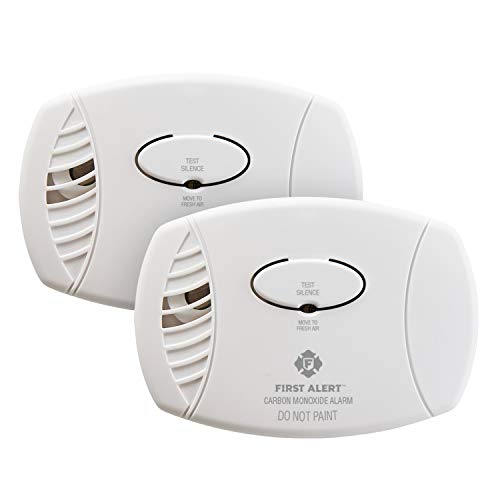
The First Alert CO400 2-pack uses a battery-powered design to ensure continuous CO monitoring even during power outages. It features an advanced electrochemical sensor and an audible 85-decibel alarm to indicate dangerous levels. End-of-life signaling is typically indicated by sensor degradation and battery considerations, prompting replacement to maintain reliability in sleeping and living areas.
Kidde AA Battery Powered Portable CO Detector
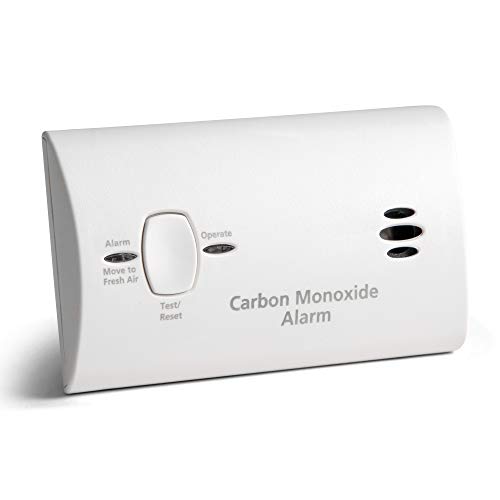
Designed for portability, this Kidde model relies on two AA batteries and includes LED status indicators. It detects CO even during a power failure, with the green LED signaling power and the red LED indicating CO presence. As sensors age, sensitivity may decline, and the unit’s audible alert becomes crucial to ensure ongoing protection in any environment.
Kidde Plug-In CO Detector with Battery Backup

Plug-in models with a 9-volt battery backup deliver continuous protection during outages. The digital LED display helps monitor CO levels and can assist in evaluating whether readings are within safe ranges or approaching end-of-life thresholds. Regular testing and battery replacement are essential to maintain dependable performance over time.
First Alert CO710 With 10-Year Battery
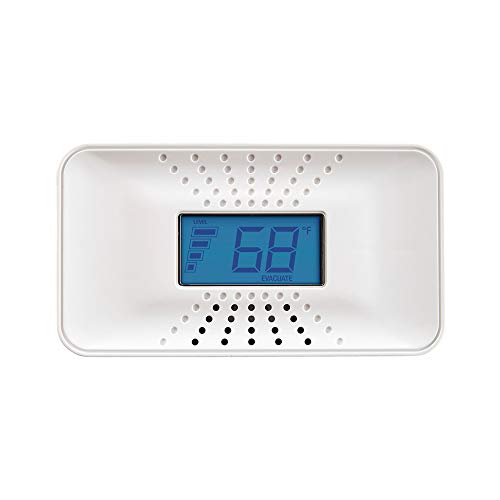
This model uses a built-in 10-year lithium battery and a digital temperature display. It provides continuous monitoring for the detector’s life, with a peak level feature showing the highest CO concentration recorded. End-of-life considerations for this unit include the battery’s expiration and potential sensor drift over time, which would prompt replacement after a decade or when readings are unreliable.
Kidde Portable AA Battery CO Alarm
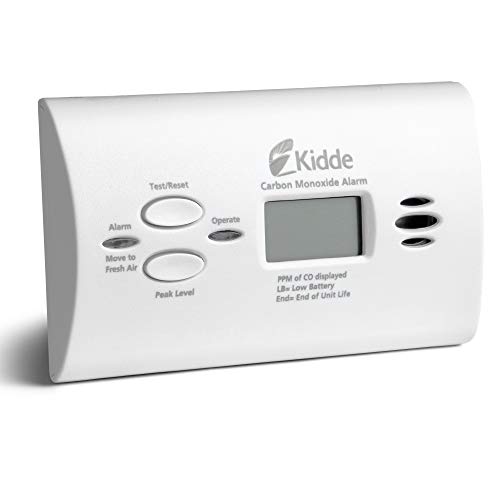
This portable, battery-powered CO detector emphasizes easy installation without wiring. It detects CO during a power outage using two AA batteries and is suitable for bedrooms, living spaces, or travel. End-of-life indicators include diminished sensor response or alarm weakness, underscoring the need to replace units that no longer reliably detect CO.
Buying Guide: Key Considerations For End-Of-Life And Replacement
- End-of-life indicators: Look for units that explicitly signal aging components, sensor drift, or battery degradation. Some models display a “end of life” warning or emit continuous beeps indicating replacement is due.
- Power source and backup: Battery-powered units provide continuous protection during outages, while plug-in detectors offer stable operation with a backup battery. Evaluate which setup best suits your home and sleeping areas.
- Sensor technology: Electrochemical sensors are common and reliable for CO detection. Check for a sensor with a proven track record and a clear datasheet to understand expected service life.
- Display and indicators: Digital displays and LED indicators help you monitor CO levels, temperature, and the device’s status. A bright or easily readable display is useful for quick assessments.
- End-of-life replacement planning: Choose models with long battery life or a defined replacement window (for example, 10 years). Maintain a replacement calendar and test detectors monthly.
- Placement strategy: Install detectors in sleeping areas and main living spaces on every level. Interconnected units provide comprehensive alerts, though standalone units still offer essential protection.
- Maintenance routine: Regular testing, battery checks, and sensor calibration when applicable extend effectiveness. Replace units that fail tests or show weak alarms even after battery changes.
- Compliance and standards: Ensure detectors meet local safety codes and industry standards. Look for certifications from recognized authorities and brands with a history of safety compliance.
Additional Perspectives
End-of-life considerations differ by model: battery-only devices may need more frequent battery maintenance but can be placed flexibly; plug-in units require access to outlets and may incorporate digital displays that simplify monitoring. For households with pets or children, a reliable, long-lasting detector with clear alerts reduces the risk of missed warnings during the night. When choosing between 2-pack options and single units, consider coverage needs for bedrooms, hallways, and common living areas.
How To Maximize Safety With A Replacement Plan
Maintain a simple schedule: test detectors monthly, replace batteries twice a year (if applicable), and plan to replace detectors every 7–10 years depending on the model’s recommended lifespan. If a detector signals end-of-life or shows reduced sensitivity, replace it promptly rather than delaying. Keep spare units on hand for quick installation after a replacement.