Best Carbon Monoxide Alarm Solutions for Homes
Protecting American households from carbon monoxide exposure relies on reliable, easy-to-use alarms. The following selections highlight a range of trusted models that monitor CO levels, integrate with other safety features, and fit common home layouts. The list emphasizes battery or plug-in options, interconnect capabilities, and clear alarms to help families respond quickly in emergencies.
| Product | Notable Feature |
|---|---|
| First Alert SMICO100-AC | Interconnected hardwired with battery backup |
| First Alert SMCO100 | Battery-operated, 2-in-1 smoke & CO |
| First Alert CO605 | Plug-in with battery backup |
| Kidde CO Alarm (Battery) | Portable, 2-AA batteries, LEDs |
| Kidde CO Alarm (Plug-In) | Wall plug-in with 2 AA backup |
Interconnected Smoke & CO Alarm for Homes

The First Alert SMICO100-AC combines smoke and carbon monoxide detection with interconnect capabilities, allowing alarms to alert across multiple devices if one unit detects danger. Quick-connect plug-in hardware simplifies installation without re-wiring, and the system adheres to current industry standards designed to reduce nuisance alarms while preserving early warnings for home fires.
Two-in-One Battery-Operated Alarm

This model provides reliable 2-in-1 protection against smoke and carbon monoxide with a battery-powered design for flexible placement during installations where wiring is impractical. Precision Detection technology reduces cooking nuisance alarms while delivering early warning in the event of fire or CO buildup, making it suitable for bedrooms and living areas where constant monitoring is essential.
Plug-In CO Alarm with Battery Backup
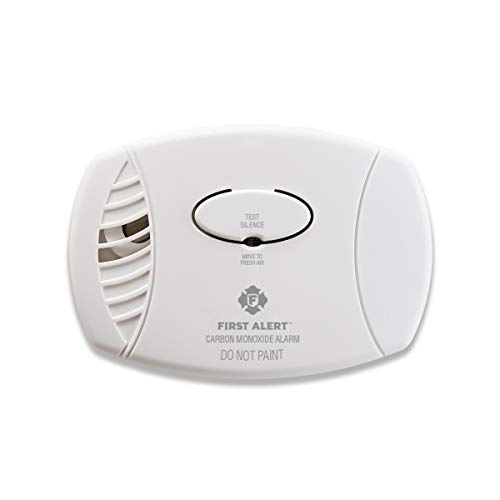
This First Alert CO605 model plugs into a standard outlet and includes a battery backup for continuous monitoring during outages. Its electrochemical sensor provides precise CO detection, and a single test/silence button keeps operation straightforward. The unit’s audible alarm is designed to be clearly audible across typical household spaces, aiding rapid response.
Portable, Battery-Powered CO Alarm with LEDs
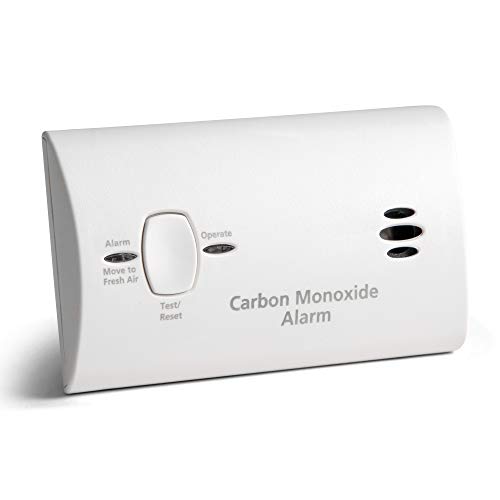
The Kidde battery-powered CO detector combines an electrochemical sensor with LEDs indicating power and CO presence. It operates on 2 AA batteries, enabling flexible placement on walls or tabletops, and is designed to alert households promptly with an 85-decibel alarm during dangerous CO levels. A portable option for rooms without fixed outlets.
Plug-In CO Alarm with Battery Backup
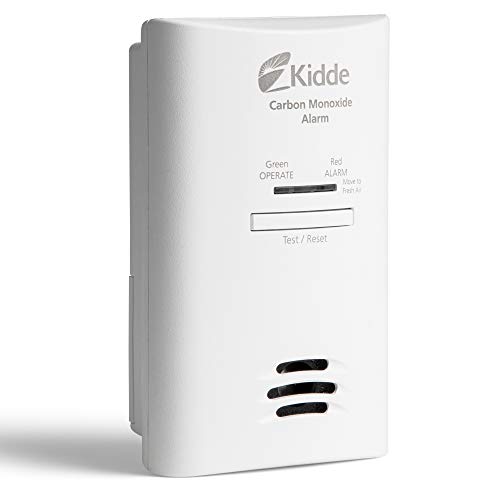
Designed for easy installation, this Kidde model plugs into a 120V outlet and includes a battery backup for power outages. The alert system features an 85-decibel alarm to notify occupants of CO presence, with a straightforward test-hush button that helps manage false alarms or nuisance notifications during cooking or high humidity periods.
2-in-1 Smoke & CO Alarm with AA Battery Power

This Kidde unit offers combined smoke and CO detection, powered by AA batteries for versatile placement. The device includes LEDs that indicate power status and CO presence, with a loud 85-decibel alarm when dangerous CO levels are detected. Its 24/7 self-testing components continually check operation to help ensure readiness, while not serving as a substitute for manual tests.
Buying Guide: How to Choose the Right Carbon Monoxide Alarm
- Power type and placement: Choose battery-powered for flexible placement, plug-in models for constant power, or interlinked hardwired systems for whole-home coverage. Consider battery backups for outages.
- Sensor technology: Look for electrochemical CO sensors for accuracy and low false alarms. Some models combine CO with smoke detection for convenience.
- Interconnectivity: Interconnected alarms can improve safety by sounding simultaneously, which is especially beneficial for larger homes or multi-level layouts.
- Ease of installation and maintenance: Quick-connect or plug-in options reduce installation time. A lightweight test/silence button helps with routine maintenance.
- Audible and visual alerts: Ensure the alarm has a loud decibel level and indicator LEDs, so occupants can respond quickly even if the device is not in the immediate vicinity.
- Placement guidelines: Install at least 5 feet away from fuel-burning appliances and near sleeping areas. Avoid placing CO alarms too close to vents or windows where drafts could affect readings.
- Reliability and standards: Favor models that meet current safety standards and have long-term reliability, with clear maintenance instructions and replace-by dates when applicable.
- Combination devices: If you want to simplify safety routines, a 2-in-1 smoke and CO detector can cover both risks, though separate CO-only models may offer optimized CO sensitivity.
- Bypass considerations: Some devices allow temporary silence during non-emergency events; understand how this affects ongoing monitoring and alarm reset.
In residential safety, choosing a carbon monoxide alarm involves balancing power options, placement, and whether you prefer combined detection or separate devices. Interconnected systems offer rapid, synchronized alerts across floors, while plug-in and battery-powered models provide flexible deployment for bedrooms, living rooms, and basements. All options in this selection emphasize clear audible alerts, easy maintenance, and reliable CO sensing technology designed to protect households from dangerous CO buildup.