Best Cable Pull Safety Switches for Safer Operations
Choosing the right cable pull safety switch can significantly improve operator safety in industrial and workshop environments. This article reviews five respected models, outlining their primary features, compatibility, and use cases. Each option focuses on reliable emergency stopping, simple reset, and robust construction to withstand demanding conditions.
Summary of chosen products:
| Product | Brand | Key Feature |
|---|---|---|
| XY2CJS15 E-Stop Cable Pull Switch | Schneider Electric | 1 NC + 1 NO, 65 ft pull, side anchor |
| 1CPSA1 Cable Pull Safety Switch | Honeywell | DPST-1NO / SPST-NC, 600V, IP-rated |
| Emergency Stop Rope Pull Switch 1NO 1NC | ATO | IP65, 6A/380VAC, long rope reach |
| Single Phase Pull Switch 1NO 1NC | Yuecoom | Simple operation, high safety, durable |
| Edwards Signaling 6537 Pull Cord | Edwards-Signaling | US-made, compact dimensions |
Schneider Electric XY2CJS15 E-Stop Cable Pull Switch

Schneider Electric’s XY2CJS15 offers an emergency stop cable pull switch with a safety red handle and multiple contact configuration. It provides 1 normally closed plus 1 normally open slow-break contacts for signaling versatility. The unit supports a signalable pull path along a lengthy cable up to 65.6 feet, enabling safe activation from various points along the line. Typical applications include machinery safety interlocks and assembly line protection, where quick stopping is essential for operator safety.
Honeywell 1CPSA1 Cable Pull Safety Switch
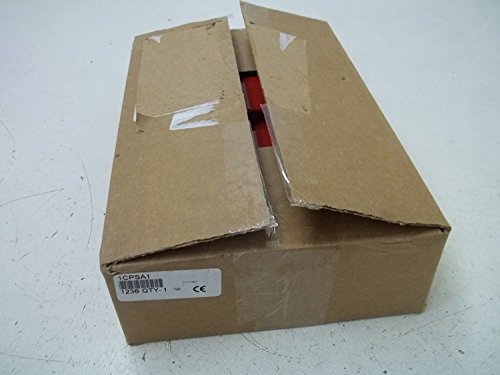
The Honeywell 1CPSA1 cable pull safety switch features DPST-1NO and SPST-NC configurations with robust electrical ratings, including up to 600V AC and 250V DC. It supports a cable span up to 83.3 meters (approximately 273 feet) and uses a 1/2″ conduit connection. This model is suited for heavy-duty industrial environments requiring reliable emergency stopping across long cable runs, with RoHS compliance ensuring safer materials handling.
ATO Emergency Stop Rope Pull Switch
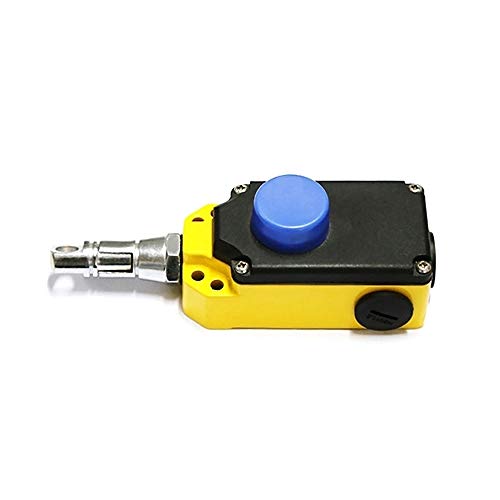
ATO’s emergency stop rope pull switch uses 1NO and 1NC contacts with a 6A/380VAC rating. The system includes a long pull rope (approximately 20 meters ± 2 meters) and an IP65 protection class for dust and water resistance. The device is designed for easy installation on machinery, belts, conveyors, cranes, and other equipment where a remote stop capability enhances safety and minimizes risk exposure during operation.
Yuecoom Single Phase Pull Switch
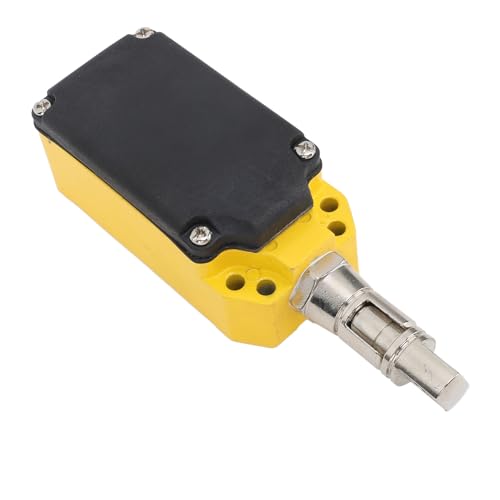
This Yuecoom pull switch provides a straightforward one-wire activation for single-phase circuits with 1NO and 1NC contacts. It emphasizes user-friendly operation with enhanced safety features to ensure effective circuit isolation. The switch is engineered for durability and long service life, making it a solid option for belt conveyors, cranes, and similar equipment that require reliable hand-pull control to halt operations during maintenance or emergencies.
Edwards Signaling 6537 Pull Cord

Edwards Signaling’s 6537 pull cord switches embody a legacy of reliable signaling components made in the United States. The unit integrates a pull cord mechanism suitable for residential and light commercial safety systems, offering straightforward manual actuation. The compact design supports easy installation in confined spaces and aligns with standard safety switch practices for simple emergency termination of equipment.
Buying Guide
- Contact configuration: Choose between SPST, DPST, or NC/NO combinations based on your control philosophy and current safety interlock needs.
- Electrical ratings: Verify voltage, current, and tolerance to ensure compatibility with your equipment and power supply. Consider peak inrush and fault-current handling.
- Mechanical construction: Look for rugged housings, IP ratings (IP65 or higher if exposed to dust or water), and cable or rope durability for your application’s environment.
- Cable length and routing: Plan pull distance and route, ensuring accessibility from operator locations while maintaining safe clearances and avoiding pinch points.
- Reset and signaling: Consider how quickly a system can be reset after an emergency stop and whether the switch provides clear signaling for status monitoring within control panels.
- Compliance and testing: Check RoHS, CE, or UL certifications where applicable to meet local and industry standards.
- Special considerations: For mobile or outdoor use, prioritize ruggedized IP ratings and weather resistance; for heavy machinery, focus on higher current capabilities and faster reset times.
- Compatibility: Ensure the switch’s mounting pattern and connector type align with your existing safety circuit or control system.
- Maintenance: Review availability of replacement parts and service life to minimize downtime in critical safety loops.