Best Boat Carbon Monoxide Detectors for Safe Voyages on the Water
Boats, RVs, and campers alike benefit from reliable carbon monoxide (CO) monitoring to protect crew and passengers from dangerous gas exposure. The following five detectors offer portable, boat-friendly CO alarms with features tailored to marine and travel environments. Each product below is selected for battery life, readability, alert strength, and suitability in humid or outdoor settings.
Summary of Selected Products
| Product | Brand | Key Advantage | Battery or Power | Ideal For |
|---|---|---|---|---|
| Carbon Monoxide Detectors with 10-Year Battery, LCD | Runidur | 10-year battery life with real-time LCD | CR123A lithium (non-replaceable) | Travel, RV, boat cabins |
| Kidde Carbon Monoxide Detector, Battery Powered | Kidde | Portable with low battery indicator | 2 AA batteries | Small boats, cabins, remote locations |
| First Alert CO400 Carbon Monoxide Detector | First Alert | Electrochemical sensor, reliable alarm | Battery powered | Boats and cabins without mains power |
| briidea Marine CO Detector | briidea | Adjustable alarm threshold for marine use | Battery operation (specifically marine-rated) | Boats, RVs in humid environments |
| X-Sense CO Detector with LCD | X-Sense | Digital readouts and memory | Replaceable battery (5-year) | Boats, travel, on-board comfort |
Runidur 10-Year Battery CO Detector

The Runidur CO detector uses a non-replaceable CR123A lithium battery designed for up to 10 years of operation, reducing maintenance on boats and travel setups. It employs an upgraded electrochemical CO sensor with an alarm greater than 85 decibels and red LED flashing to draw attention. The LCD provides real-time CO concentration, and displays remaining battery life and status at a glance for daily monitoring in maritime environments.
Kidde Battery-Powered CO Alarm
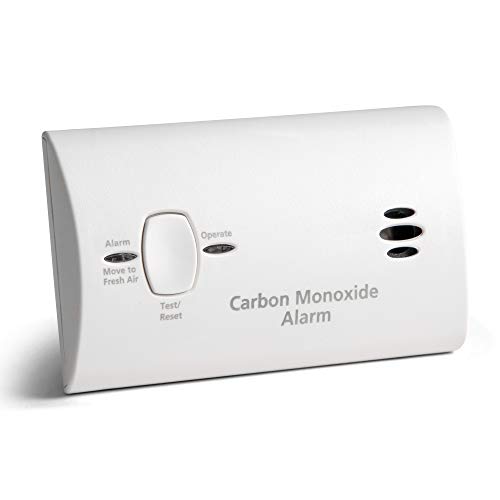
The Kidde model operates on two AA batteries and continues to function during power failures. It features an electrochemical sensor to detect CO, a visible green power indicator, and an 85-decibel alarm with a red LED to signal CO presence. Its simple mounting—on a wall or tabletop—makes it a practical choice for boats, RVs, or off-grid cabins where reliability matters during outings.
First Alert CO400 Battery-Operated Alarm
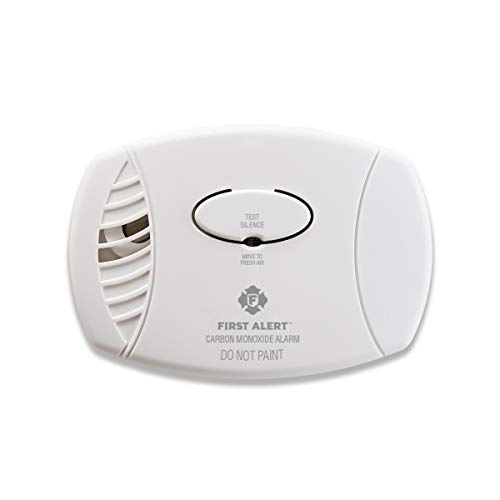
The First Alert CO400 provides continuous monitoring with an advanced electrochemical sensor. Battery-powered operation ensures protection even when shore power is unavailable, making it suitable for boats or cabins. A loud 85-decibel alarm is paired with clear indicators to help occupants quickly identify and respond to CO exposure. Regular battery replacement is recommended to maintain peak performance in marine settings.
briidea Marine CO Detector with Adjustable Threshold

The briidea marine detector emphasizes multi-indicator alerts, including red LED, LCD symbols, and a high 100 dB alarm. A notable feature is the adjustable alarm threshold (10–500 PPM), defaulting to 400 PPM, allowing a tailored response for marine environments. Its conformal coating and waterproofing suit high humidity conditions commonly found on boats, RVs, and humid marinas.
X-Sense LCD CO Detector with Memory

The X-Sense XC01-R offers a digital LCD display and a memory feature to track peak CO levels. It supports flexible installation, either wall-mounted or free-standing, which is convenient for boats or travel trailers. A 5-year replaceable battery and an 85-decibel alert provide timely warnings, helping operators respond promptly to elevated CO levels in confined spaces.
GasDoc DS-399 Portable CO Detector

The GasDoc DS-399 is a portable, rechargeable 3-in-1 CO detector with 168 hours of standby use and a Type-C charging port. It monitors CO, temperature, and humidity, offering real-time environmental data—useful for boats and campsite setups. Its compact design and included lanyard enable easy transport, ensuring safety is accessible during trips on water or land.
Buying Guide: Key Considerations for Boat CO Detectors
- Power source and reliability: For boats, consider detectors with long-life, non-replaceable batteries or battery backups to ensure continuous operation during power fluctuations or outages on the water.
- Sensor type and response: Electrochemical sensors provide reliable CO detection. Look for models with clear LED indicators and audible alarms in the 85–100 dB range for quick recognition in noisy environments.
- Display and readability: A readable LCD or digital display helps monitor CO levels at a glance. Real-time readouts and peak value memory are beneficial for tracking dangerous exposure over time.
- Reset and maintenance: Devices with simple test/reset buttons and clear replacement guidance reduce maintenance effort. Consider whether the detector uses replaceable batteries or fixed long-life power sources.
- Environmental suitability: Marine and humid environments require detectors with humidity and temperature monitoring, conformal coatings, or waterproofing to maintain reliability in boats and RVs.
- Placement and installation: Ensure there is clearance from vents, gasoline engines, and sleeping areas. Some detectors are portable or battery-powered, offering flexible placement on deck or in cabins.
- Certification and safety standards: Look for detectors that meet recognized safety standards and have reputable sensor technology for consistent performance.
- Cost of ownership: Consider initial price, battery life, and maintenance needs. Long-life detectors may reduce total cost of ownership over time on boats and RVs.
In selecting a boat CO detector, prioritize models with long battery life or non-replaceable power sources, clear audible and visual alerts, and suitability for humid marine environments. For travelers, a portable detector with a reliable power source ensures protection whether docked at a marina or exploring remote areas. The listed options provide a mix of fixed and portable designs to fit different boat layouts and use cases, helping crews maintain onboard safety without complicating maintenance routines.