Best Battery Storage Solar Power Solutions for Reliable Off-Grid Power
Combining portable power stations with compact solar panels creates flexible, on-demand energy for camping, travel, emergencies, and tiny home setups. This guide highlights top battery storage solar power options available on Amazon, helping you compare capacity, charging speed, and output to fit your needs. Whether you’re chasing off-grid freedom or a dependable backup, these compact systems deliver clean, quiet, and portable power wherever you go.
Selected products overview
- ZeroKor Portable Solar Generator with 280Wh battery and 60W solar panel
- Jackery Explorer 300 with 293Wh backup lithium battery (solar panel optional)
- Anker SOLIX C1000 Gen 2 Portable Power Station (1024Wh LiFePO4)
- Durecopow Solar Charger Power Bank 20,000mAh with multiple cables
- OUPES Mega 1 Portable Power Station 1024Wh LiFePO4 ( expandable to 5kWh )
Note: Each product varies in peak output, charging methods, and panel compatibility. Consider your device load, climate, and how quickly you need power when choosing a system. The following sections summarize five prominent options, each with its own strengths for battery storage and solar recharging capabilities.
ZeroKor 300W Portable Power Station With 60W Panel

The ZeroKor 300W portable generator combines a 280Wh battery with a foldable 60W solar panel, offering essential off-grid power for small devices. It provides two 110V/300W AC outlets, a DC port, three USB ports, and a Quick Charge USB port for multiple device charging. A built-in flashlight with SOS mode enhances outdoor usability. While suitable for charging phones, tablets, and small electronics, users should avoid running high-wattage appliances like coffee makers or hair dryers at full load to preserve battery life.
Charging options include wall AC, DC5521 solar panel compatibility, and carport input. The included 60W panel helps PCs, tablets, and phones stay powered during weekends away or emergencies. It’s best suited for light-duty outdoor use and off-grid adventures where compact size and portability trump heavy sustained power.
Jackery Explorer 300: 293Wh Outdoor Power Reserve
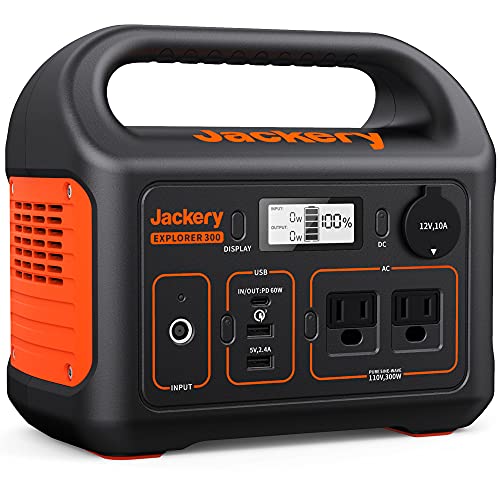
The Jackery Explorer 300 packs 293Wh in a compact, lighter chassis (about 7.1 pounds) and supports fast recharging. It features two Pure Sine Wave AC outlets, a PD USB-C port, a rapid 3.0 USB port, a USB-A port, and a DC car port. Its internal management optimizes efficiency for multiple devices, enabling simultaneous charging of drones, laptops, cameras, and more. Recharging from wall outlets or Jackery SolarSaga options provides flexibility for outdoor excursions and weekend trips.
Rapid recharge is a standout, with an 80% fill in around two hours via a wall outlet and a 60W USB-C PD port. While the solar panel is optional, pairing with compatible solar panels enhances off-grid readiness. This model is appreciated for portability and versatile connectivity for mid-range power needs.
Anker SOLIX C1000 Gen 2: High-Capacity Backup Power

The Anker SOLIX C1000 Gen 2 delivers 2,000W continuous power with a 1,024Wh LiFePO4 battery, offering robust performance for home backup, camping, or remote work. It can recharge rapidly using HyperFlash technology, achieving a full charge in about 49 minutes when possible. With 10 ports total, it supports powering multiple devices simultaneously, including high-demand appliances during outages or outdoor adventures. The LiFePO4 chemistry provides longer cycle life and safer long-term storage, making it a strong choice for users needing reliable, scalable power.
Expandable charging and an app-based interface add to its appeal for tech-savvy users seeking precise power management. While heavier than some compact units, it’s a strong option for those prioritizing capacity, safety, and quick recharging in a single package.
Durecopow 20,000mAh Solar Charger with Cables

The Durecopow solar charger combines high-capacity 20,000mAh power with built-in output cables (Type-C, Lightning, Micro USB) and three USB ports. It supports simultaneous charging of multiple devices, including smartphones, tablets, and small accessories. Its rugged, weather-resistant design, integrated LED flashlight, and SOS mode make it suitable for camping, hiking, and emergency kits. The included carabiner and compass add practical outdoor value.
Because it features built-in cables, fewer external accessories are needed. The battery pack can be charged via solar or USB, but its lower total energy rating means it’s best for smaller devices and quick top-ups rather than heavy, ongoing power demands. Suitable as a supplementary charger for travelers and campers.
OUPES Mega 1: Expandable 1024Wh Power Station
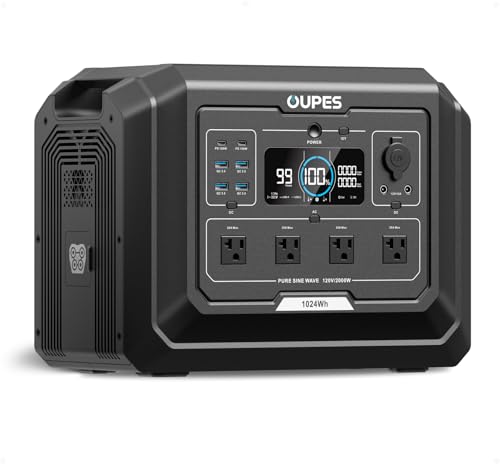
The OUPES Mega 1 provides 1024Wh of LiFePO4 energy with 2,000W continuous output and a 4,500W surge capacity. It supports rapid charging and modular expansion: up to two extra B2 batteries can be added to scale capacity to 5,120Wh without adding inverters or complex wiring. This makes it a compelling option for building a scalable power system for home backup, camping, or long road trips. The unit emphasizes safe, stable power delivery with high-quality outlets and robust battery chemistry.
Modular expansion is a key benefit for future-proofing energy needs. It is well-suited for users planning long-term off-grid living or those who want to grow their backup capacity as requirements change. The absence of price information here leaves room for evaluating total cost against expanded capacity needs.
EF ECOFLOW Delta 2: 1024Wh LFP Powerhouse

The EF ECOFLOW Delta 2 delivers 1,024Wh with an 1,800W AC output (up to 3,000W peak) and multiple ports for broad device support. It offers rapid charging: 0-80% in about 50 minutes and 0-100% in about 80 minutes with AC input. The Delta 2 is expandable with extra batteries to reach 3kWh, making it a flexible option for camping, RVs, or home backup. With a large port array and fast charging, it’s designed for reliability in demanding outdoor and emergency scenarios.
This model balances portability with substantial output, enabling users to power both essential devices and small appliances. Its LiFePO4 chemistry emphasizes longevity and safety, especially for regular, extended use in off-grid contexts.
ZeroKor 40W Panel Kit With 100W Battery

This kit from ZeroKor pairs a 100W portable lithium-ion battery with a 40W foldable panel. It’s designed for off-grid use where a light solar input is sufficient to top up devices like smartphones, tablets, or cameras. The system supports two AC outlets, a DC port, multiple USB outputs, and a Quick Charge USB port. It emphasizes practical outdoor power without heavy equipment, making it a good choice for campers and weekend travelers who prioritize portability and ease of setup.
The setup notes a caveat: high-wattage devices may overwhelm the system. It’s best used for mobile devices and small electronics, not full household appliances, to maintain reliable performance in outdoor environments.
Buying Guide: Key Purchase Considerations For Battery Storage Solar Power
- Power needs: Assess your typical load—phones, laptops, cameras, CPAP machines, or small appliances. Choose a capacity (Wh) and continuous power rating (W) that comfortably covers your daily usage without hitting the limit.
- Output versatility: Look for multiple output options (AC, USB-C PD, USB-A, DC car port) to support a wide range of devices. More ports reduce the need for adapters and dongles.
- Recharge speed: Quick recharging minimizes downtime. Consider models with fast AC charging, USB-C PD, and optional solar charging for off-grid resilience.
- Solar compatibility: If you plan to rely on solar, ensure the system includes a solar panel or is compatible with your preferred panel, and check MPPT optimization for efficient charging in practical sunlight.
- Battery chemistry and safety: LiFePO4 chemistry offers longer life cycles and safer operation under high temperatures, ideal for long-term storage and frequent cycling.
- Portability vs. capacity: Heavier, higher-capacity units deliver more power but are less portable. Balance weight against your intended use (car camping vs. backpacking).
- Expandability: Some systems allow adding extra batteries to scale capacity. This is valuable if you anticipate growing energy needs over time.
- Durability and weather resistance: Outdoor environments demand rugged designs, weather sealing, and reliable operation in varying temperatures.
- App and monitoring features: Apps for remote monitoring and scheduling can optimize usage, battery health, and charging workflows.
- Warranty and support: A solid warranty and accessible customer support help protect your investment for years of off-grid use.
When evaluating options, align your choice with typical usage patterns, climate considerations, and storage conditions. A modular approach—starting with a reliable base unit and expanding with additional batteries or solar panels—offers flexibility as energy needs evolve.