Best Battery Packs With 12V Outlet for Camping, Dashcams, and Travel Power Needs
If you need a portable power source with a reliable 12V outlet, these top picks deliver versatile charging options, outdoor readiness, and ample capacity. They’re suited for travelers, campers, and anyone who wants a dependable auxiliary power source for devices like dash cams, laptops, and small appliances.
Overview of selected products. The table helps compare key specs at a glance so you can decide quickly which model fits your intended use, whether you’re planning a weekend camping trip, a road journey, or home backup power.
| Product | Capacity / Power | 12V Outlet Type | Best For |
|---|---|---|---|
| RoyPow 30W PD Portable Charger (Upgraded) | 86.58Wh | 12V DC output + 12V cigarette lighter | Dash cams, camping, mobile offices |
| MARBERO Portable Power Station 88Wh | 88Wh | 8 output ports including DC and AC | Outdoor adventures and home backup |
| Tenlike Portable Power Station | 99.9Wh | AC, Type-C PD, USB-A, DC 9-12V | General device charging on the go |
| DARAN Portable Power Station 89.6Wh | 89.6Wh LiFePO4 | AC, DC, USB-C PD | Compact home backup and travel |
| SinKeu 23,400mAh/86.58Wh | 86.58Wh | AC 120V, DC out, USB | Travel and emergency power |
RoyPow 30W PD Portable Charger with 12V 10A Outlet

This RoyPow model features a large 86.58Wh capacity with multiple outputs: 30W USB-C PD, 18W USB-A QC 3.0, 12V DC, and a 12V cigarette lighter outlet. It’s designed for users who need fast USB-C charging plus a robust 12V supply for devices like dash cams, small coolers, and portable devices. The upgraded regulation helps power DC appliances that require a stable input. Best for dash cams and off-grid camping where both fast charging and a reliable 12V source matter. Caution: ensure your DC appliances are within the regulated 13.5V/6A output range to avoid under/over-voltage issues.
MARBERO Portable Power Station 88Wh
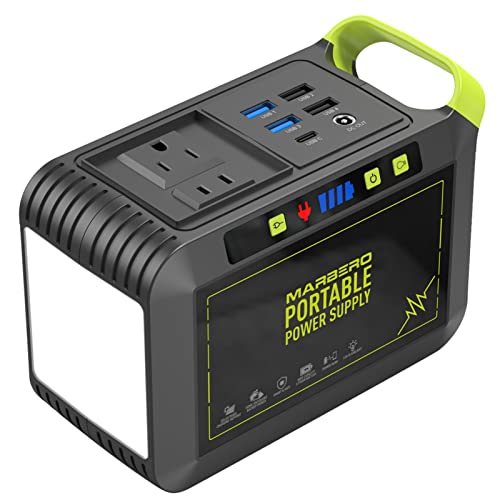
MARBERO’s 88Wh power station emphasizes a compact footprint and multiple outputs. With eight ports and a protective BMS, it supports simultaneous use of USB, USB-C PD, DC, and AC outlets. It’s well-suited for outdoor trips, backyard camping, and emergency home use where a variety of devices—from phones to small appliances—need charging at once. Best for users who want a versatile array of outlets in a slim, portable package. Limitation: the AC output is modest for larger home appliances; plan for smaller devices during use.
Tenlike Portable Power Station

Tenlike offers a 99.9Wh capacity with 60W Type-C PD charging and an accessible 120V AC output. It includes multiple output ports (AC, USB-C, USB, and DC), making it a practical all-around choice for charging laptops, tablets, cameras, and other essentials on road trips. Best for travelers who want speedy USB-C charging plus the flexibility of a 120V outlet. Caution: aero-friendly 99.9Wh limit means airlines may have restrictions for air travel; verify airline rules if flying with the unit.
DARAN Portable Power Station 89.6Wh LiFePO4

DARAN’s 89.6Wh unit uses LiFePO4 chemistry for a longer lifecycle and safety. It offers 100W continuous AC power with dual charging options and PD fast charging. The compact form factor (about the size of a small tablet) makes it highly portable for camping, travel, or as a backup for laptops and small home appliances. Best for users prioritizing battery longevity and safe LiFePO4 chemistry. Limitation: LiFePO4 packs can have slightly heavier weight vs. some Li-ion equivalents; plan for total carry weight on long trips.
SinKeu 86.58Wh Portable Power Bank
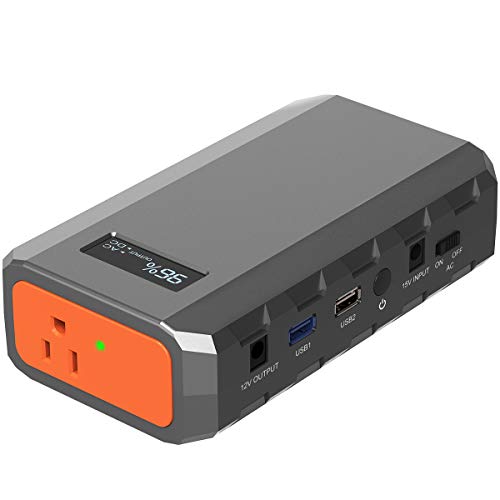
SinKeu’s compact 86.58Wh pack combines a 120V/65W AC outlet with DC, USB, and USB-C outputs. It is designed for travel and emergency use, delivering power to a broad range of devices while remaining highly portable. Best for travelers who want a travel-ready power bank with both AC and USB outputs. Caution: its AC output is best used for small to medium devices; avoid running high-wattage appliances for extended periods.
Buying Guide: Key Considerations for 12V Outlet Battery Packs
- Output versatility: Look for models that combine 12V DC, USB-C PD, USB-A, and AC outlets to cover devices from dash cams to laptops.
- Capacity and weight: Higher Wh means longer run time but heavier. Match capacity to your typical session length and the devices you carry.
- Battery chemistry: LiFePO4 offers longer life and stability; lithium-ion packs are lighter but may have shorter cycle life.
- Recharging options: Chargers that accept USB-C PD, car chargers, and solar panels provide flexible recharge paths for outdoors use.
- Safety features: Overload, short-circuit, over-discharge, and thermal protections improve reliability in varied environments.
- Travel considerations: If you fly, stay within airline-friendly watt-hour limits (often 100Wh or less) and verify airline policies.
- Portability vs. power: Determine whether you prioritize compactness for easy packing or higher power for longer off-grid use.
Frequently Asked Questions
- What capacity is best for a 12V outlet power pack?
A: Choose based on your typical load. For dash cams and phones, 60–90Wh is often sufficient; for laptops or small appliances, 90–100Wh or more may be needed. - Can these devices power a refrigerator or cooler?
A: Some support 12V DC or 120V AC outlets suitable for small coolers; check continuous wattage ratings and peak power requirements before use. - Are LiFePO4 packs safer than Li-ion?
A: LiFePO4 chemistry typically offers longer cycle life and higher thermal stability, which can improve long-term safety in outdoor settings. - Is airline travel possible with these packs?
A: Many models adhere to 99–100Wh guidelines, but airline rules vary. Always verify current regulations before flying with a portable power station. - Should I pick USB-C PD or USB-A for charging?
A: USB-C PD provides faster charging for laptops and phones. USB-A QC 3.0 is still useful for some devices but generally slower. - Do these packs require special maintenance?
A: Regular recharging, avoiding exposure to extreme temperatures, and following the manufacturer’s charging guidelines help extend life.