Best Battery Operated Carbon Monoxide Detectors for Home or Travel
Answering the search for reliable, battery-operated carbon monoxide detectors that don’t require wiring, this guide highlights five solid options. These devices are best for renters, travelers, and households needing portable monitoring during power outages. Each entry includes who it’s best for, why it’s chosen, and a quick caveat to consider. Use the quick comparison table below to skim key details before diving into the full reviews.
| Product | Brand | Best For |
|---|---|---|
| Kidde CO Detector (3rd/5th Edition) AA Battery Powered | Kidde | Home or travel, simple wall or tabletop placement |
| First Alert CO400 Battery Operated Alarm | First Alert | Continuous monitoring during outages |
| Kidde COB Battery Powered CO Detector (Travel-Ready) | Kidde | Traveling or vacation rentals |
| Kidde Portable CO Alarm with LEDs | Kidde | Portable use, easy to read status |
| First Alert CO400 2-Pack Battery Alarm | First Alert | Multi-room safety, budget-friendly |
Kidde Carbon Monoxide Detector, AA Battery Powered, Portable
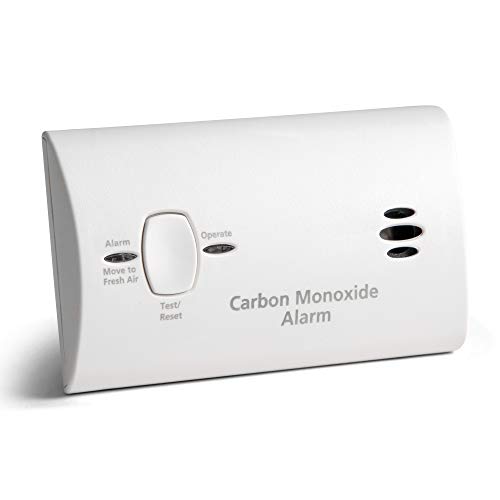
Features include an electrochemical sensor for CO detection, simple installation with no wiring, and operation on two AA batteries during power failures. A green LED shows power, while an 85 dB alarm and a red indicator signal CO presence. Best for: small apartments, dorm rooms, or travel scenarios where simple, portable protection is needed. Caution: battery life depends on usage and sensor load; replace batteries as needed to maintain reliability.
First Alert CO400 Carbon Monoxide Detector, Battery Operated Alarm

Designed for continuous monitoring with battery power, it uses an electrochemical sensor for accurate CO detection even during power outages. The unit emits an 85 dB alarm when CO reaches dangerous levels. Best for: homeowners seeking a straightforward, reliable battery-powered alarm in one or multiple rooms. Limitation: some users may need to test and replace batteries regularly to ensure alarm functionality.
Kidde COB Battery Powered CO Detector (Travel-Ready)

Compact, travel-ready design with an AA-powered operation and a 85 dB alarm. LED warning light indicates hazard; test/hush button allows quick checks or silencing. Best for: travel and temporary stays in hotels or vacation rentals where a compact detector is preferable. Caution: small form factors may reduce screen readability in dim lighting; rely on audible alerts as primary notification.
Kidde AA Battery Powered CO Alarm with LEDs
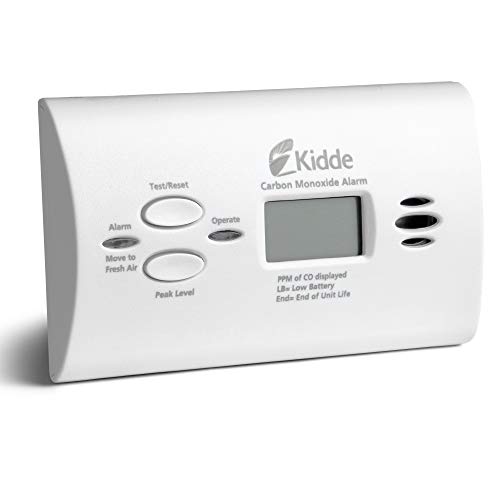
Electrochemical sensor detects CO with easy-wall or tabletop placement. AA battery operation ensures monitoring during outages, and a portable design supports flexible use. Best for: renters or small homes needing a lightweight, portable detector with clear LED indicators. Limitation: lacks some advanced features found in higher-end models; ensure batteries are fresh for optimal response.
FIRST ALERT Carbon Monoxide Detector, No Outlet Required
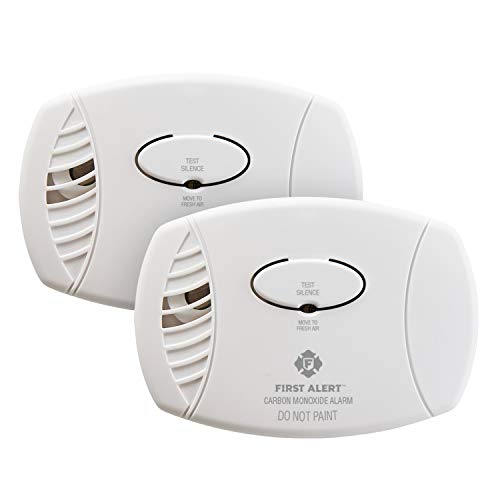
This 2-pack offers affordable, battery-operated CO alarms with an electrochemical sensor. It provides continuous CO monitoring even during power failures and includes a loud 85 dB alarm. Best for: multi-room safety in apartments or houses where multiple detectors are desired. Caution: paired units require regular battery maintenance to ensure synchronized operation.
Kidde CO Detector with Backlit Display, Portable

Digital backlit display shows status and alarm operation; test/hush button enables quick checks or silencing alerts. AA battery powered for outage resilience; portable and travel-friendly. Best for: users who prefer a visual readout in addition to audible alerts. Limitation: display readability may vary in bright lighting; rely on alarms in low-visibility conditions.
SITERWELL 10-Year CO Detector with LCD Display

Long-life detector with a real-time LCD display and 85 dB alarm. The device uses a built-in 2 AA alkaline battery supply and ETL listing for additional assurance. Best for: homes needing a durable, decade-long life detector with clear CO readings. Caution: 10-year life assumes regular battery maintenance; replace batteries on schedule to prevent false readings.
Buying Guide: Battery Operated CO Detectors
Key considerations help buyers choose the right unit for their space and lifestyle.
- Power source: All options here run on AA batteries or have optional battery power during outages. For renters or travel, battery operation provides flexibility.
- Sensing technology: Look for electrochemical sensors for accurate CO detection across a range of exposure levels.
- Alarm and indicators: A loud alarm (85 dB or more) is essential; LED indicators help you confirm device status quickly.
- Display: Some models include backlit LCD displays for real-time CO readings. This is helpful for monitoring trends over time.
- Deployment: Consider whether you want wall-mount capability or a tabletop placement. Travel-friendly models are typically more compact.
- Maintenance: Check battery replacement intervals and whether the unit provides a low-battery alert to avoid gaps in protection.
- Certifications: ETL-listed detectors provide a layer of quality assurance; verify any local safety requirements for your space.
Frequently Asked Questions
- Do battery-operated CO detectors work during a power outage? Yes, most listed options operate on AA batteries and continue monitoring when power is out.
- What should I do if the alarm sounds? Evacuate to fresh air, call emergency services if symptoms occur, and ventilate the area after it’s safe to return.
- How often should I replace batteries or the unit? Replace batteries when the low-battery indicator sounds or as recommended by the manufacturer. Some units offer a 10-year detector life; follow the manufacturer’s guidelines for replacement timing.
- Can I place CO detectors in every room? Place detectors outside sleeping areas and on every level of the home for best protection; avoid placing them near heat sources or humid areas.
- Are digital CO detectors easier to read? Digital displays provide real-time CO readings, helping you track exposure levels. Not all models include a display, so choose based on your preference for visual data.
- Is a 2-pack preferable to one? A two-pack is efficient for multi-room coverage in larger homes or apartments and can simplify monitoring across spaces.