Best Battery-Operated Carbon Monoxide and Propane Detectors for Home
The best battery-powered CO and propane detectors provide reliable, continuous protection during power outages and in spaces where hard-wired alarms aren’t practical. This guide highlights five compact, easy-to-use options ideal for renters, travelers, and homeowners who want portable or backup detection. Each product is evaluated for who benefits most, potential limitations, and why it was selected. A quick summary table follows to help you compare core features at a glance.
| Product | Best For | Key Benefit |
|---|---|---|
| Kidde 3rd Edition Plug-in with Battery Backup (CO + Explosive Gas) | Homes with mixed gas risks; frequent outages | Digital display shows CO levels or “GAS”; backup battery |
| Kidde AA Battery Powered Portable CO Alarm | Travelers and temporary spaces | Completely portable; runs on 2 AA batteries |
| Kidde COPDLG Plug-in with AA Backup | Homes needing early CO and gas detection | Detects CO, natural gas, propane; rotating plug |
| First Alert SMICO100 (Battery-Operated Combo) | Home kitchens and living areas needing true 2-in-1 protection | Two-in-one smoke and CO detection with alarm |
| First Alert CO400 CO Detector (Battery Operated) | Budget-friendly backup CO monitoring | Advanced electrochemical sensor; wall or tabletop placement |
Kidde Carbon Monoxide + Explosive Gas, 9V Backup
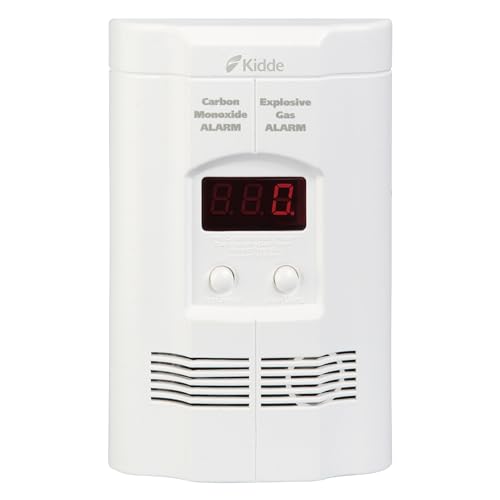
This model combines carbon monoxide and explosive gas detection with a plug-in design and 9-volt battery backup. It provides a digital LED display that shows CO levels or displays the word GAS when explosive gas is detected. It’s best for homes with both CO and propane/natural gas concerns and where occasional power interruptions occur. The backup battery helps maintain protection when the outlet loses power.
Who it’s best for: Households seeking integrated CO and gas detection with a clear readout and dependable backup power. Why selected: It covers both CO and explosive gas in one device and uses a straightforward digital display for quick readings.
Caution: If you rely primarily on battery power during a long outage, verify the 9V backup is fresh and functional to avoid gaps in coverage.
Kidde Carbon Monoxide Detector, AA Battery Powered
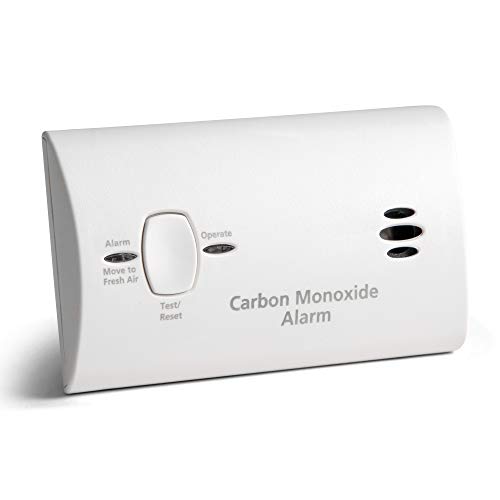
This portable, AA battery-operated CO detector is designed for travel or home use without any wiring. It monitors CO continuously even during power failures and features a green power LED and a red alarm indicator. It’s best for users who need a simple, standalone detector that you can move between rooms or take on trips.
Who it’s best for: Renters, travelers, or households wanting a compact, non-wired CO detector. Why selected: Ease of setup and true portability with battery power.
Caution: Portable units may be misplaced or forgotten; consider a dedicated placement spot to ensure consistent protection in high-risk areas like bedrooms or near heating sources.
Kidde COPDLG: CO + Explosive Gas, Plug-in with AA Backup

Designed to detect low levels of CO and propane/natural gas, this model uses a backlit digital display and a rotated plug for flexibility in vertical or horizontal outlets. The AA backup batteries ensure continued protection during power outages. This makes it a strong choice for homes with gas appliances or frequent outages where early detection matters.
Who it’s best for: Homes with multiple gas sources or those needing a reliable, integrated display of CO or GAS status. Why selected: Advanced low-level CO technology with separate alarm patterns at higher CO levels for clear occupant alerts.
Caution: The unit’s size and plug orientation may require counter or shelf space in tighter rooms; ensure ample clearance around outlets for proper sensing.
First Alert Combination Smoke & CO Alarm, Battery Operated

This battery-operated detector provides 2-in-1 protection against both smoke and carbon monoxide. It includes an End-of-Life warning to indicate when replacement is needed. It’s best for areas where both smoke and CO risks exist but wiring is not feasible, such as rentals or enclosed spaces.
Who it’s best for: Homeowners seeking combined protection without wiring. Why selected: Reliable dual-detection with a clear end-of-life signal to simplify maintenance decisions.
Caution: It’s important to strictly follow mounting and testing guidelines to avoid nuisance alarms in kitchens or bathrooms due to steam or cooking byproducts.
First Alert CO400 CO Detector, Battery Operated

This model uses an advanced electrochemical sensor to detect CO with a battery-powered design for continuous monitoring during outages. It’s suitable for placement on walls or tabletops where wiring isn’t available. The alarm will sound at dangerous CO levels, providing a clear evacuation cue.
Who it’s best for: Budget-conscious buyers needing simple, reliable, battery-powered CO monitoring. Why selected: Standalone operation with a robust electrochemical sensor in a compact form factor.
Caution: Battery replacement is essential for ongoing protection; set reminders to test the detector regularly and replace batteries when indicated by the device.
Buying Guide
Key considerations when choosing a battery-operated CO and propane detector include detection technology, power backup, placement, and whether you need single or multi-gas detection. Below are practical questions to guide your decision.
- What sensors do I need? Look for electrochemical sensors for CO and, if needed, models with gas detection for propane/natural gas (usually labeled “gas” or “explosive gas”).
- Is a backup power option important? Devices with AA or 9V backups maintain protection during outages, which matters in areas with unreliable electricity.
- Where will I mount the detector? Consider whether you need a plug-in unit with a flexible outlet, a compact portable unit for travel, or a true battery-powered unit for furniture placement without outlets.
- Do I need a combination detector? If you want to cover both smoke and CO, choose a combo unit, but verify it’s battery-powered or backup-enabled for outages.
- What about audible and visual indicators? A loud alarm is essential, but LED indicators or digital displays help you quickly assess CO levels or gas presence during a calm, low-stress moment.
- Maintenance needs: Check for end-of-life indicators, replaceable batteries, and straightforward testing procedures to ensure ongoing reliability.
Frequently Asked Questions
- Can these detectors operate during a power outage? Yes, models with AA or 9V backups and battery-powered options continue to monitor CO and gas during outages.
- Do I need separate detectors for CO and gas versus a single combo unit? If you worry about both CO and propane/natural gas, a combo detector or a unit with gas detection is beneficial. Separate detectors may be simpler to maintain in some layouts.
- Where should detectors be placed? Place CO detectors near sleeping areas, on each level of the home, and away from direct vents or cooking appliances. Portable detectors should be easily accessible for quick testing.
- What indicates a device needs replacement? End-of-life indicators or chronic false alarms may signal replacement. Regular testing is recommended per manufacturer guidelines.
- Are battery-powered detectors less reliable than wired ones? Modern battery-powered detectors with electrochemical CO sensors are designed for reliable performance, though ongoing battery maintenance is essential.
- Can these detectors be used for RVs or travel? Yes, portable or compact battery-powered models are suitable for RVs, hotel stays, and vacations where home wiring isn’t present.