Best Batteries to Power an AC Unit: Top Portable Options for Off-Grid Cooling
Finding reliable power for air conditioning, especially when away from standard outlets, requires selecting batteries and power stations designed for high output, safety, and endurance. This guide reviews five top options that are well-suited to backing air conditioners in RVs, camping, emergencies, and off-grid setups. Each pick pairs solid battery capacity with practical features to support cooling performance when you need it most.
Summary of chosen products
- Jackery Explorer 1000 v2 Portable Power Station — 1070Wh LiFePO4, fast charging, versatile outputs
- Apowking Power Bank with AC Outlet — 88.8Wh, portable with 110V/65W outlet
- OutEquip Pro 12V RV Air Conditioner — 10,000 BTU, battery-powered off-grid capability
- Yunxingtianji DC 12V RV Rooftop A/C — 12V powered, compact rooftop unit
- FANCOLE Portable A/C — 5400mAh built-in battery option, 2 in 1 cooling with remote
Jackery Explorer 1000 v2 Portable Power Station

The Jackery Explorer 1000 v2 offers a substantial 1,070Wh LiFePO4 battery with a lightweight profile (about 23.8 lbs) and a 1,500W continuous AC output, 3,000W surge. It supports rapid charging via the Jackery App and includes multiple output options to run cooling devices, fridges, and essential appliances. The lifetime expectation is strong due to the durable LiFePO4 chemistry, which maintains a high capacity across thousands of cycles. This unit is suitable for camping, emergency preparedness, RV use, and off-grid living where reliable AC output is needed.
Apowking Power Bank With AC Outlet
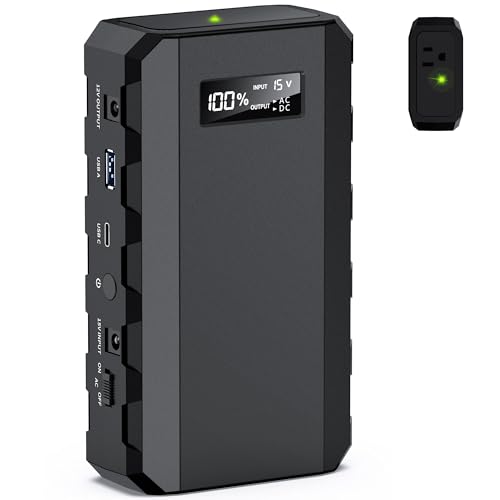
This 88.8Wh portable power bank includes a 110V/65W AC outlet and four output ports (USB-A, USB-C, DC, and AC). It’s designed for outdoor activities, power outages, and travel where a compact, all-in-one energy source supports small appliances or devices like laptops and mini fans. Its portability makes it a practical companion for short-term off-grid use, while the built-in safety features help protect devices during charging and discharge cycles.
OutEquip Pro 12V RV Air Conditioner

This 12V rooftop A/C unit is designed for off-grid or mobile use, able to run from a vehicle battery setup. It advertises around 10,000 BTU of cooling with the flexibility of battery-powered operation for extended off-grid periods. The unit is paired with weather-resistant construction and a robust set of materials intended for durability in RV or off-road environments. It’s ideal for campers, vans, and other mobile living spaces that rely on battery power to stay cool.
DC 12V RV Rooftop A/C By Yunxingtianji

This 12V rooftop unit targets vehicle-based cooling, designed for quick installation on RVs or trucks. It emphasizes a slim, aerodynamic form, a compact footprint, and ease of connection to a vehicle battery or auxiliary power source. The design aims for efficient cooling with a focus on off-grid readiness and resilience in mobile environments where space and weight are concerns.
FANCOLE 12V Battery-Powered Portable A/C

FANCOLE offers a compact, battery-powered portable air conditioner with a built-in 5400mAh battery and a top-fill water tank. It supports both battery-powered and plug-in operation, giving flexibility for indoor use, outdoor events, or dorms. A remote control, 7-color lighting, and a 2-speed cooling option make it a versatile option for personal cooling in spaces without constant access to electrical outlets.
Slkdrft Small Air Conditioner Portable AC Unit

This USB-powered personal cooler is designed for portability and desktop use. It includes a 1.2L water tank and a misting feature, offering a compact cooling option suitable for desks, cars, or small personal spaces. It’s best used where a USB power source is readily available and where only light cooling is required for short periods.
Buying Guide: Key Considerations For Battery-Powered AC Support
- Battery capacity and chemistry: Look for high-capacity options with LiFePO4 or similar chemistries for longer life, safety, and better battery health over many cycles. Check watt-hour (Wh) ratings to estimate runtime for your AC unit’s power draw.
- Power output and compatibility: Ensure the device can handle the starting surge and continuous running watts of your air conditioner. Some portable power stations offer pure sine wave outputs and sufficient inverter efficiency for sensitive electronics.
- Output options: A mix of AC outlets, DC, USB-C/USB-A ports, and vehicle 12V connections increases versatility for fans, dehumidifiers, and other gear you may run with the AC unit.
- Weight and portability: For RVs and camping, consider the weight and handle design. A lighter unit with a solid grip improves ease of transport and repositioning.
- Charging options: Fast charging, solar compatibility, and multi-source charging help minimize downtime. Check recharge times and the availability of solar panels or solar port compatibility.
- Durability and warranty: Look for rugged construction, weather resistance, and a robust warranty. This is important in outdoor environments where equipment may face dust, humidity, and temperature fluctuations.
- Safety features: Short-circuit protection, over-discharge protection, temperature monitoring, and thermal management extend the life of both the battery and connected appliances.
- Use case planning: For short weekend trips, smaller units with quick recharge may suffice. For longer off-grid stays, prioritize higher capacity and reliable battery technology to sustain cooling through the night.
- Noise and heat: Some units operate more quietly than others. Consider cooling performance versus noise levels, especially in bedrooms or quiet settings.
- Scalability: If you plan to run multiple devices, assess how a single battery system can be expanded with additional packs or a larger power station.
These considerations help determine whether a portable power station, a dedicated 12V RV air conditioner, or a compact USB-powered cooler best meets your cooling needs in off-grid or mobile environments. Matching the right power solution to your AC’s input requirements, anticipated run time, and travel plans will yield the most reliable performance.