Best Backflow Prevention Device Sprinkler System
Answer: A backflow prevention device for sprinkler systems protects potable water by stopping siphoning and contamination. The top picks below are ideal for homeowners, landscapers, and irrigation pros seeking durable, code-compliant valves that handle up to 400 PSI. Each option targets specific setups—from small lawns to larger irrigation networks—so you can choose based on connection size, installation ease, and expected environmental stress.
Buyer-oriented summary table
| Product | Best for | ||
|---|---|---|---|
| ONDAQUA 3/4″ UPC Certified Pressure Vacuum Breaker | 3/4″ | Small to medium irrigation systems | High-flow capacity; durable thick brass |
| ONDAQUA 1″ UPC Certified Pressure Vacuum Breaker | 1″ | Mid to large irrigation networks | Enhanced durability; fast setup with clear flow direction |
| YEE 3/4″ Backflow Preventer Assembly | 3/4″ | Residential lawns and gardens | Reliable anti-siphon protection; robust brass body |
| UPGRADED 1″ Brass Backflow Preventer (Bghdas) | 1″ | Heavy-duty irrigation and outdoor lines | Field-testable and long service life under 400 PSI |
| Orbit 3/4-Inch Automatic Anti-Siphon Valve | 3/4″ | Systems with integrated flow control | Combination valve with flow control for precise watering |
ONDAQUA 3/4″ UPC Certified Pressure Vacuum Breaker

Features: UPC Certification via IAPMO; ASSE 1020-2020 compliant; PTFE sealing, 400 PSI max, thickened brass, arrow-marked flow direction for quicker setup. Best for small-to-mid scale irrigation lines that require dependable anti-siphon protection. Caution: Ensure proper installation orientation to maintain seal integrity.
Best for: Homeowners installing in modest lawns or mid-sized irrigation runs who need robust metal construction and certified compliance. This model is chosen for its balance of durability and straightforward setup.
ONDAQUA 1″ UPC Certified Pressure Vacuum Breaker
Features: UPC certification; ASSE 1020-2020 compliance; high-flow 400 PSI rated; thick brass construction; arrow-marked flow direction for faster setup. Best for: Medium-to-large irrigation networks where space allows a larger connection and higher flow handling. Limitation: Slightly more footprint than 3/4″ models, requiring adequate installation space.
YEE 3/4 Inch Backflow Preventer Assembly
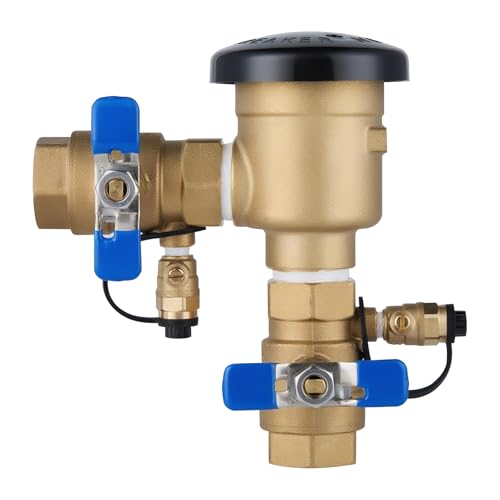
Features: Thickened brass; 400 PSI max; corrosion and pressure resistance; designed for outdoor irrigation, lawn irrigation, and garden watering. Best for: Home lawns and gardens needing dependable anti-siphon protection with quick, straightforward installation. Caution: Verify compatibility with existing pipe sizes and thread types before purchase.
YEE 1 Inch Backflow Preventer Assembly
Features: Thickened brass; 400 PSI max; anti-siphon protection for outdoor systems; robust for lawns and commercial lines. Best for: Larger residential properties or light commercial setups requiring a 1″ connection. Limitation: Bulkier and heavier than smaller units, requiring stronger mounting support.
LTLUO 1″ Pressure Vacuum Breaker Assembly
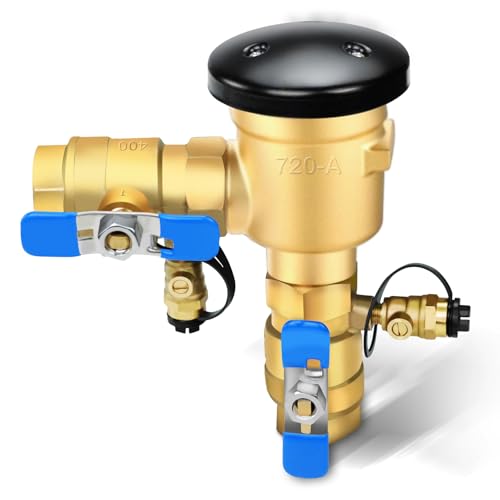
Features: UPC & ASSE 1020-2020 certified; high-sealing materials; heavy-duty brass body; metal top cover; warns that loosening connections can damage the PVB seal. Best for: Irrigation and outdoor sprinkler systems needing compliant protection with durable sealing. Caution: Follow torque requirements closely to preserve seal integrity.
LTLUO 3/4″ Pressure Vacuum Breaker Assembly

Features: UPC & ASSE 1020-2020; sealant-based sealing for durable performance under high pressure; thick brass body and metal top; is designed for anti-siphon protection in outdoor systems. Best for: Small to mid-size outdoor irrigation lines. Limitation: Requires careful sealing to prevent leaks over time.
Orbit 57065 3/4-Inch Anti-Siphon Valve with Flow Control

Features: Combines a 24 VAC automatic valve with an atmospheric vacuum breaker; includes a 24 VAC solenoid, manual actuation lever, and flow control. Best for: Systems needing integrated flow management alongside anti-siphon protection. Caution: May require electrical wiring considerations for the solenoid and controller compatibility.
UPGRADED 1″ Brass Backflow Preventer Valve

Features: Thick-walled brass; stainless steel internal components; corrosion resistance; field-testable; easy installation with standard 1-Inch NPT; rated up to 400 PSI. Best for: High-demand irrigation zones and outdoor lines where long service life and easy testing are priorities. Limitation: Higher upfront cost due to upgraded materials.
Buying Guide
- Connection size: Match the valve size to your sprinkler system’s pipe diameter (3/4″, 1″, etc.). Larger sizes typically support higher flow but require more space.
- Certification and standards: Look for UPC/IAPMO, ASSE 1020-2020 compliance for code-recognized protection.
- Material and durability: Thickened brass bodies offer corrosion resistance and long service life in outdoor environments.
- Sealing and installation: Choose products with reliable sealing materials and clear flow-direction markings to speed setup and reduce leaks.
- Maintenance and testing: Field-testable designs and easily accessible top covers help with periodic checks and hydrostatic testing.
- Integrated features: Some models couple anti-siphon protection with flow control or solenoids, which can simplify system design for certain installations.
- Best-use guidance:
– Small residential lawns: 3/4″ assemblies from reputable brands for cost-efficiency.
– Medium properties: 1″ assemblies with robust sealing for longer runs.
– Integrated systems: Valves with flow control or solenoids for precise irrigation timing.
FAQ
- What is the purpose of a backflow preventer in a sprinkler system? A backflow preventer stops contaminated water from siphoning back into the potable water supply.
- Do I need a specific certification for backflow devices? Yes, certifications like UPC/IAPMO and ASSE 1020-2020 indicate compliance with code-based safety standards.
- What PSI rating is typical for these devices? Many models are rated up to 400 PSI, suitable for residential and light commercial irrigation.
- Can I install a backflow preventer myself? Installation is possible for some models with basic plumbing skills; follow manufacturer instructions and local codes.
- What should I consider when choosing between 3/4″ and 1″ sizes? Consider your pipe size, desired flow rate, and space for the unit; 1″ supports higher flow but needs more space.
- Is maintenance frequent for these devices? Routine inspection and occasional resealing or top-cover checks are typically sufficient for long-term performance.