Best Arc Magnets for Motors: Top Picks for Generators and Scooters
Arc magnets are a critical component in many motor and generator applications, delivering high magnetic strength in compact forms. This guide highlights five reliable arc magnet options from well-known brands, focusing on NdFeB arc segments, tolerances, coatings, and temperature ratings. Whether you’re building a wind turbine rotor, a scooter motor, or a DIY generator, these selections offer strong performance and durability under typical operating conditions.
| Product | Brand | Key Benefit |
|---|---|---|
| Magerial N42H Arc Segment OR18xIR14x45deg.x20mm (8 Pack) | Magerial | High-temp NdFeB, NiCuNi coating |
| 8 Pack Arc Magnets for Scooters (25mm length) | Magerial | NdFeB, tight tolerances, DIY motor use |
| N42 Arc Segment Magnet 2.36″ Diameter (8 Pack) | Magerial | Professional CNC tolerances, triple coating |
| Magerial 8 Pack Arc Magnets for Scooters (35mm length) | Magerial | NdFeB, precise sizing, scooter motors |
| Motor Magnet for Scooter Balance Car (30×13.65x2mm) | Magerial | Compact, professional for DIY motors |
The products listed below are grouped by practical use, with each section providing a concise overview of features, applications, and installation considerations. This helps builders compare options quickly and choose magnets that match their machine tolerances and operating temperatures.
Magerial N42H Arc Segment OR18xIR14x45deg.x20mm 8 Pack

The Magerial OR18xIR14x45deg arc magnets are NdFeB magnets with diametric magnetization. Eight magnets in the pack offer a balanced set for small to mid-size generator rotors or servo motors. The outer curves alternate N and S poles, facilitating predictable magnetosystem assembly. A triple-layer Ni+Cu+Ni coating provides corrosion resistance and a shiny surface that resembles stainless steel, aiding longevity in harsh environments. These magnets are rated up to 120°C, allowing use in moderate-temperature motor and generator applications without immediate degradation.
8 Pack Arc Magnets for Scooters (25mm Length)

These arc magnets are designed for scooter motors and DIY electric bikes. They are NdFeB-based with N40H grade, offering a good balance of strength and cost. With +/-0.1 mm tolerances, they provide reliable fits for precision motor builds. The magnets are sintered from NdFeB powder and are easy to slide on and off during installation. Proper handling is essential to avoid chipping or breaking, especially when removing magnetic segments from a rotor. This pack is well-suited for hobbyists building or upgrading small electric drive systems.
N42 Arc Segment Magnet 2.36″ Diameter (8 Pack)
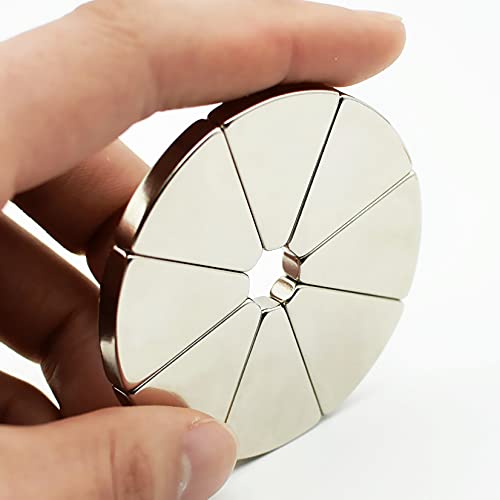
Featuring N42 grade NdFeB magnets with OR30*IR5*45° dimensions and an 8-piece pack, these arc magnets offer robust power for DIY wind turbine rotors or compact generators. They are coated with NiCuNi for corrosion resistance and have CNC-machined surfaces with +/-0.1 mm tolerances for precise alignment. The professional-grade finish ensures a clean assembly with reliable mechanical fits, reducing misalignment and rotor friction in high-speed applications.
Magerial 8 Pack Arc Magnets for Scooters (35mm Length)
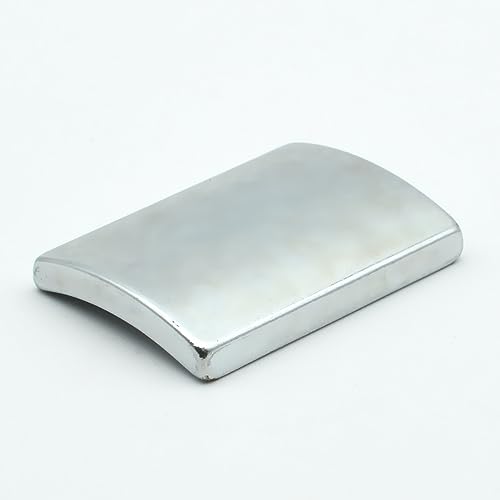
This 8-pack from Magerial uses NdFeB material in a 35 mm length form factor, designed for larger scooter motors or small personal electronic drive systems. The magnets are specified with +/-0.1 mm tolerances and are sintered from NdFeB powder. Like other high-performance arc magnets, improper handling can cause chipping or cracking if edges are stressed during installation. The package is suitable for DIY motor projects requiring a stronger magnetic footprint and a longer arc segment for rotor assemblies.
Motor Magnet for Scooter Balance Car (30×13.65x2mm)

These small NdFeB magnets are designed for compact DIY scooter motors and balance car projects. With a 30 × 13.65 × 2 mm profile, they offer a slim but potent magnetic footprint. The magnets are rated N40H, a practical option for low to mid-range torque applications in DIY motor builds. Acknowledging the need for precise tolerances, the magnets are best installed in a controlled environment to prevent surface damage and ensure consistent rotor alignment in tight spaces.
Buying Guide
Key considerations
- Material and grade: NdFeB magnets vary by grade (N35 to N52 and higher). Higher grades offer stronger pull forces in smaller sizes but can be more brittle. For motors and generators, higher grades provide better efficiency and compact rotor designs.
- Arc segment geometry: The arc angle, diameter, and thickness influence the magnetic flux and ease of rotor packing. Larger diameters deliver more surface area, while thicker arcs improve axial pull.
- Coatings and corrosion resistance: NiCuNi coatings are common and protect against corrosion in harsh environments. Consider extra coatings for marine, outdoor, or high-humidity installations.
- Tolerances and machining: Tighter tolerances (+/-0.1 mm) reduce rotor gaps and improve reliability in precision assemblies. CNC machining and careful handling prevent edge chipping.
- Temperature rating: Temperature limits determine whether magnets will retain performance in high-temperature operation. If your system experiences sustained high temperatures, choose magnets rated for at least 100–120°C (like N42H).
- Polarity arrangement: Diametric magnetization and pole orientation affect rotor design. Ensure compatibility with rotor geometry and pole assignment across segments for smooth operation.
Performance comparisons
In general, NdFeB arc magnets offer superior surface flux density and compact profiles, making them ideal for small and medium motors, DIY generators, and balance/scanner devices. Higher-grade magnets (such as N42H and above) maintain field strength better at elevated temperatures, though they can be more brittle and require careful installation. Coated magnets extend service life in corrosive environments, while tighter tolerances reduce rotor play and vibration. When selecting magnets, balance cost with mechanical fit, environmental exposure, and thermal load.
Installation tips
- Handle magnets with care to avoid chipping edges; use protective sleeves or soft tools during assembly.
- Keep magnets clean and free of oils or particulates that could impede mounting.
- Use non-magnetic, non-abrasive spacers to align magnet segments during rotor assembly.
- Test fit in a safe, low-speed environment before full-speed operation to verify alignment and balance.
These considerations help ensure reliable motor and generator performance, maximizing efficiency and rotor longevity when using arc magnets for a range of American DIY, hobbyist, and small-industrial applications.