Best Anti Corrosion Coating for Air Conditioner
Protect outdoor air conditioning equipment from rust and deterioration with purpose-built anti-corrosion coatings and protective accessories. This guide highlights top corrosion-control products ideal for AC units, including aviation-grade rust inhibitors, heavy-duty rust sprays, and durable outdoor covers. Explore practical options that extend the life of condensers, coils, and connectors while maintaining outdoor performance and appearance.
Summary of Selected Products
| Product | Brand | Type | Key Benefit |
|---|---|---|---|
| CorrosionX Aviation 80102 (16 oz aerosol) | CorrosionX | Aviation grade corrosion prevention coating | Military performance qualification; ultra-thin film for precise protection |
| CorrosionX Heavy Duty Anti Rust Spray | CorrosionX | Heavy-duty anti-rust spray | Self-healing barrier; long-lasting protection in harsh outdoor conditions |
| Dawod Air Conditioner Cover for Outside Units | Dawod | Outdoor AC cover | Protects top surfaces; ventilation to reduce moisture buildup |
| Plusluck Window Air Conditioner Support Bracket | Plusluck | Window AC bracket | Rust-resistant hardware; heavy-duty protection for mounting in harsh climates |
| Toutgood Outdoor Mini Split Wall Mounting Bracket | Toutgood | Wall mounting bracket | Corrosion-resistant coating; strong crossbar design for outdoor use |
CorrosionX Aviation 80102 – Ultra-Thin Film Coating
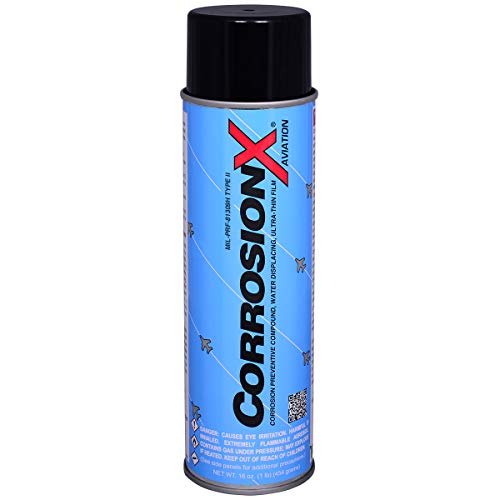
CorrosionX Aviation 80102 is a lightweight, ultra-thin film corrosion prevention compound designed to meet military performance requirements (MIL-PRF-81309H). It creates a durable barrier that adheres to metal surfaces without building up layers, making it suitable for external AC components such as condensers, louvered panels, and electrical connections. The product is formulated to penetrate micro-crevices and resist wash-off, offering long-term protection in varied humidity and temperature. Its polar bonding technology helps ensure a robust, protective layer that remains effective through rain, salt spray, and soot accumulation.
Key features include a MIL-PRF-81309H qualification and performance evidence that it can outperform standard corrosion products by more than two-fold in field testing. This makes it a viable option for technicians seeking a maintenance-grade coating that minimizes downtime and reduces long-term maintenance costs. For AC units exposed to coastal humidity or industrial pollutants, this coating can extend service intervals and help maintain electrical reliability.
Application considerations: Clean the surface before applying a thin, even layer. Reapply as part of routine outdoor unit maintenance to sustain protection. While designed for aviation use, the coating’s thin film approach adapts well to small outdoor components where weight and surface buildup must be minimized.
CorrosionX Heavy Duty Anti Rust Spray

This heavy-duty anti-rust spray from CorrosionX provides a self-healing, waterproof barrier designed to cling to metal surfaces under rain, seawater, and pressure washing. It’s engineered to withstand outdoor exposure for extended periods, offering long-term rust protection for components like AC unit trailers, casings, and exposed electrical connections. The formulation is non-drip and designed not to wash away, enabling persistent protection in harsh weather. It is especially suitable for larger terminals, grounding lugs, and other outdoor electrical interfaces where sustained corrosion resistance is essential.
Performance notes indicate protection lasting up to five years indoors and two years outdoors in typical environments. The thick, non-conductive layer helps seal connections without compromising electrical integrity, making it suitable for rugged applications around outdoor units where moisture, salt, or fertilizer residues are common. It also functions well as a preventive treatment after cleaning or during winterization to minimize corrosion risk on exposed metal surfaces.
Application tips: Ensure surfaces are clean and dry before applying; apply an even coat and allow to cure as directed. For best results, reapply on a regular maintenance cycle or after heavy exposure to moisture or salt spray. The spray’s ease of use supports on-site touch-ups without disassembly of the unit.
Dawod Air Conditioner Cover for Outside Units

The Dawod outdoor AC cover is designed to shield external condenser units from environmental elements while allowing ventilation to prevent moisture buildup. The cover uses a polyester fabric with UV stabilization and water-resistant backing, offering a balance between protection and airflow. Its size 32 by 32 inches makes it suitable for a range of standard outdoor AC units, and the ventilation-oriented design helps minimize condensation that could lead to rusting of exposed metal surfaces.
Practical considerations include ensuring a proper fit for your model’s dimensions and securing the cover during high winds. The cover’s design aims to reduce exposure to rain, leaves, and debris that can clog fins or reduce heat exchange efficiency. It is particularly useful in regions with seasonal rainfall or coastal air where moisture management is critical to prolonging the life of outdoor components.
Plusluck Window Air Conditioner Support Bracket

The Plusluck window AC bracket features a universal fit for walls between 4″ and 15.2″ thick, supporting 5,000–24,000 BTU units. It emphasizes a dual-safety structure and rust-resistant materials, including galvanized steel components and epoxy coatings designed for outdoor use. This bracket reduces the risk of movement or vertical stress on the window frame, helping to prevent corrosion-related wear on mounting surfaces and hardware over time. The design also includes anti-slip features to protect both the unit and surrounding surfaces from abrasion and moisture-related damage.
Installation considerations focus on proper mounting to minimize exposure to wind-driven rain and salt spray. The anti-slip feet and coated hardware contribute to corrosion resistance, but regular inspection of mounting points and fasteners remains important to maintain long-term performance in coastal or industrial environments. It’s a practical upgrade for fixtures that face frequent exposure to outdoor weather while maintaining airflow for the condenser.
Plusluck Air Conditioner Bracket No Drill

This heavy-duty no-drill bracket is designed for 350 lbs and supports 5,000–24,000 BTU units. The widened dual-arm design distributes weight and stress to minimize rust or deformation, with anti-slip feet and rust-resistant hardware. Extendable arms enable fit across a range of window widths from 31.5″ to 41.7″, making it adaptable for different window configurations. The design emphasizes non-drilling installation to reduce wall damage, while still providing robust outdoor protection against weather-induced corrosion through durable coatings and secure mounting.
Toutgood Outdoor Mini Split Wall Mounting Bracket

The Toutgood wall mounting bracket is built for 7000–12000 BTU ductless mini-split systems with a maximum weight capacity around 400–490 pounds. Constructed from galvanized steel with a powder-coated finish, it provides corrosion resistance and outdoor durability. The design emphasizes a stable crossbar and adjustable leveling to ensure proper installation on exterior walls. It is suited for outdoor mounting in variable climates, where exposure to moisture and temperature changes can drive corrosion on subframe areas and fasteners. Regular inspection of hardware is recommended to maintain corrosion resistance over time.
Buying Guide: Key Purchase Considerations
Protecting air conditioner components from corrosion requires choosing products that address exposure, climate, and installation type. Consider the following:
- Environment: Coastal or industrial areas with salt spray or chemical pollutants increase corrosion risk. Select coatings with durable, non-conductive films and good adhesion to metals used in condensers and electrical connections.
- Surface Preparation: Proper cleaning and drying of surfaces prior to coating improve adhesion and protectivity. Surface pretreatment reduces film peeling.
- Coating Type: Ultra-thin films (like aviation-grade products) prevent buildup that could impede heat exchange. Heavier coatings offer longer protection but may require maintenance checks for airflow restrictions.
- Durability and Longevity: Look for self-healing properties, weather resistance, and theories or testing backing long-term performance in outdoor environments.
- Ventilation and Moisture Management: Covers and enclosures should allow airflow to prevent condensation that accelerates corrosion inside the unit housing.
- Installation Method: Brackets and mounts should use rust-resistant hardware. No-drill options minimize wall damage but require correct sizing for safe operation.
- Maintenance Schedule: Regular inspections and reapplication schedules help sustain protection, especially after service or exposure to severe weather.
- Compatibility: Ensure coatings and products do not interfere with electrical components or refrigerant lines. When in doubt, rely on manufacturer recommendations or a professional.
Comparative Considerations
The options above range from protective coatings to physical mounting accessories. For corrosion control effectiveness, aviation-grade coatings like CorrosionX Aviation provide thin, durable protection ideal for exposed metal surfaces and electrical interfaces. Heavy-duty sprays increase resistance in harsh climates but may require reapplication as outdoor exposure continues. Covers and rust-resistant brackets protect ancillary components and mounting hardware, reducing opportunities for corrosion at attachment points. When selecting, prioritize compatibility with metal types in your unit, local climate, and your maintenance schedule to optimize longevity and performance.