Best Amp Meter for Generator to Monitor Power Efficiently
Finding the right amp meter for a generator helps you monitor real-time voltage, current, and energy usage, ensuring safe operation and improved efficiency. Below are five reliable options that cover a range of needs—from simple plug-in meters to more advanced panel units. Each product includes practical features like overload protection, real-time readings, and clear displays to simplify monitoring during generator use.
Summary Table of Chosen Products
| Product | Brand | Key Features |
|---|---|---|
| MECHEER Upgraded Watt Meter Power Meter | MECHEER | W, kWh, V, Hz, A, PF, cost calc, 8 display modes, overload alert |
| DROK Volt Amp Meter AC 500V 200A | DROK | AC 60-500V, 0-200A, CT included, dual-color display |
| Sekelo AC Power Meter | Sekelo | 40-300V, 0-99.99A, 6 parameters, color LCD |
| KETOTEK Digital Watt Meter (B0B2K2HNDY) | KETOTEK | 5-button interface, overload/cost alarms, virtual CT |
| AstroAI Digital Clamp Meter | AstroAI | AC/DC voltage/current, non-contact testing, wide range |
MECHEER Upgraded Watt Meter Power Meter

The MECHEER energy monitor provides comprehensive real-time measurements including power (W), energy (kWh), voltage (V), frequency (Hz), current (A), power factor (PF), unit price ($/kWh), and total cost. With eight display modes, you can easily switch between parameters while your appliance runs. An overload warning appears with backlight flashing when load exceeds 1800W. Built with a durable ABS shell, it is designed for standard US outlets and home use. The device helps track consumption, enabling smarter usage and potential savings.
DROK Volt Amp Meter With Current Transformer

This meter measures AC voltage (60-500V) and current (0-200A). It comes with a precise current transformer (CT) so you don’t need to buy a separate sensor. The display clearly shows voltage (red) and current (green) simultaneously, providing a quick snapshot of electrical load. It’s suited for multiple installations where flexible placement and accurate tracking are necessary, including generator monitoring and panel applications.
Sekelo AC Power Meter Panel

The Sekelo panel meter monitors six key electrical parameters: voltage, current, frequency, active power, power factor, and energy consumption. It supports a wide input range (40.0-300.0V and 0-99.99A) with a high-contrast color LCD for easy reading. Real-time monitoring helps optimize energy use and prevent waste, making it a solid choice for both home generators and off-grid setups where precise, single-device monitoring matters.
KETOTEK Watt Meter With LCD Display

The KETOTEK meter offers a user-friendly interface with five quick-access parameters. It can display KWH and electricity cost with a press, and shows true RMS voltage and current with another button press. It includes alarms for overload, energy usage, and cost, helping you manage household devices and avoid overloading generators. The device supports typical home outlets and is a practical choice for routine energy monitoring.
AstroAI Digital Clamp Meter
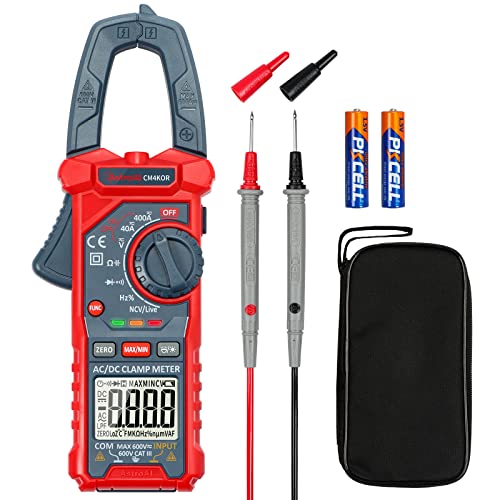
The AstroAI clamp meter is a versatile tool for measuring AC/DC voltage and current, resistance, capacitance, frequency, and more. It includes non-contact voltage testing with audible and visual alerts, data hold, auto power-off, and a backlit display for low-light environments. It is useful for quick checks on generators and electrical panels, offering a broad feature set for both professionals and DIY users.
Buying Guide: Key Purchase Considerations
When selecting an amp meter for a generator, consider the following factors to ensure you pick the best fit for your needs:
- Measurement range and accuracy: Check voltage, current, and power ranges. Look for meters with true RMS readings for accurate results with varying waveforms common in generators.
- Display and readability: Color LCDs or backlit displays help you read measurements in dim environments. Consider dual-parameter displays for quick monitoring.
- Protection and alarms: Overload warnings, alarms for excess energy usage, and auto shutoffs can prevent equipment damage and unsafe conditions.
- Sensor type and installation: Choose meters with built-in sensors or CTs (current transformers) as needed. CT inclusion reduces the need for external components.
- Form factor: Plug-in meters suit outlets and wall connections, while panel meters suit fixed installations in generator enclosures or panels.
- Durability and safety: Look for durable housings (fire-retardant materials) and compliance with relevant safety standards for electrical equipment.
- Multi-parameter capabilities: If you want comprehensive insight, prefer meters that display multiple parameters (voltage, current, frequency, PF, energy) simultaneously or via quick switching.
- Price and maintenance: Balance upfront cost with long-term benefits like energy savings, overload protection, and ease of use. Consider warranty and customer support.
Choosing the right meter depends on whether you need a simple plug-in monitoring solution, a clamp-on device for quick checks, or a full panel meter for continuous generator monitoring. For portable setups and basic usage, plug-in meters with overload alarms are often sufficient. For more complex systems or off-grid installations, a panel meter with an accurate CT and broad measurement ranges provides deeper insight and control.