Best a/C Soft Start Kits for Reliable Cooling
Soft start kits help air conditioners begin operation with reduced electrical stress, improving startup reliability in homes, RVs, and commercial settings. This guide highlights five well-regarded options that align with different power sources and installation needs. Each product section provides a quick overview, key features, and practical considerations to help you choose the right soft start kit for your cooling system.
| Product | Brand | AC Capacity Range | Suitable For |
|---|---|---|---|
| MICRO-AIR EasyStart FLEX 398 | MICRO-AIR | Up to 6 tons | Home, RV, commercial; generators compatible |
| AIRGO Air Conditioner Soft Start Module | AIRGO | 4–7 Ton | Residential AC units |
| SoftStartRV Soft Start for RV A/C | SoftStartRV By NetworkRV | Up to 36,000 BTU (RV A/C) | RVs, campers, trailers |
| SpartanStart Soft Start Kit | Spartan Power | Up to 20,000 BTU (RV) | RV, camper, van |
| Wodli Soft Start Kit for RV A/C | Wodli | RV A/C up to 15,000 BTU+ | RV, off-grid setups |
MICRO-AIR EasyStart FLEX 398
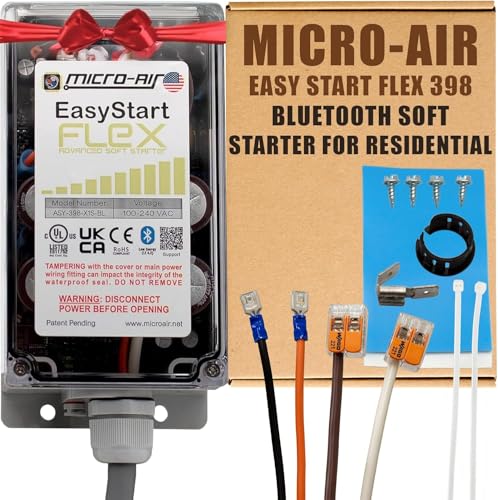
Features emphasize a robust, installation-friendly soft start suitable for residential and commercial systems up to 6 tons. The kit is designed to minimize startup surge, reduce mechanical stress on compressors, and extend unit life. It is marketed as compatible with generators and inverters, enabling smoother operation where power quality may be limited. The inclusion of an installation kit supports straightforward setup, making it a versatile option for both new installs and retrofits.
Relevant considerations include: compatibility with 2-stage compressors and heat pumps, up to 75% reduction in startup current, and suitability for mobile or off-grid contexts. The kit’s installation ease may appeal to DIY enthusiasts and professional installers alike. When evaluating, confirm the exact compressor configuration and power supply in your location to ensure reliable operation with your AC system.
AIRGO Air Conditioner Soft Start Module

The AIRGO soft start module targets residential AC units within a broad 4–7 ton range and provides a simple DIY integration option. It is designed to protect against startup stress, helping extend compressor life and reduce power spikes during startup. The product positioning emphasizes compatibility with common home AC models, making it a practical upgrade for homeowners seeking smoother, more reliable startup behavior.
Key considerations include compatibility with your specific AC model, ease of installation, and how it integrates with existing electrical setups. For users with limited electrical infrastructure or frequent outages, AIRGO offers a balanced option between performance and straightforward installation. Always verify compatibility with your unit’s voltage, compressor type, and wiring configuration before purchase.
SoftStartRV Soft Start for RV A/C

SoftStartRV focuses on RV and mobile installations, emphasizing a compact, waterproof design with broad compatibility for low-power scenarios. The kit claims to support operation with smaller generators while maintaining quieter, smoother compressor startups. It also highlights a reduced likelihood of generator overloads and circuit trips by lowering startup surge, which is beneficial for RV enthusiasts relying on limited power sources.
Important considerations include its waterproof rating, size compatibility with low-profile RV A/C units, and the ability to start multiple appliances on constrained electrical loads. It’s suitable for travelers who want reliable A/C operation without upgrading the entire generator setup. Confirm your RV’s AC capacity and available power to ensure optimal performance with SoftStartRV.
SpartanStart Soft Start Kit

SpartanStart is positioned for RV use, supporting up to 20,000 BTU with 120V operation. It emphasizes a generator-friendly startup with features like generator anti-stall and preload to ease compressor initiation. The kit includes essential hardware for installation, highlighting a turnkey approach for RV owners using inverters or generators to power their cooling efficiently.
When evaluating SpartanStart, consider your generator’s wattage, inverter capabilities, and whether you run one or multiple AC units simultaneously. The kit’s ability to switch between power sources smoothly is a notable advantage for sites with variable power supply. Ensure your RV’s electrical system aligns with the kit’s expected input and output specs for reliable operation.
Buying Guide
Key purchase considerations for A/C soft start kits include compatibility, installation, power source, and performance benefits. Here are several angles to assess:
- AC capacity and compressor type: Ensure the kit supports your unit’s tonnage and compressor configuration (single-stage, two-stage, or heat pump).
- Power source compatibility: If you rely on generators or inverters, verify the kit’s stated surge reduction and compatibility with your power profile.
- Installation effort: Some kits come with full installation kits and clear instructions, while others are more DIY-friendly. Consider your comfort level and whether professional installation is preferable.
- Surge reduction and lifespan: Reducing startup current can lessen mechanical stress and extend compressor life, potentially reducing maintenance needs.
- Noise and vibration: Some kits emphasize quieter starts, which can improve comfort in both homes and RV environments.
- Waterproof or outdoor suitability: For outdoor condensers or RV exterior installations, waterproof or rugged designs may be important.
- Multi-appliance operation: A few kits are designed to support multiple devices on limited power, which may be a deciding factor for RVs or off-grid setups.
- Warranty and support: Check warranty terms and the availability of customer support in your region.
In summary, choose a soft start kit that aligns with your AC’s capacity, your power source realities, and your installation preferences. For RV users, portability, generator compatibility, and noise reduction are often decisive. For home use, focus on compatibility with your existing system and the potential for longer equipment life. Compare installation requirements, price of entry, and the supplier’s after-sales support to ensure a reliable, long-term investment in cooling performance.