Best 800 Watt Solar Panel Systems for Off-Grid Power
When selecting an 800-watt solar setup, Americans seek durable panels, reliable performance, and easy integration with 12V/24V battery banks. The following products represent a range of rigid and flexible 800W kits designed for RVs, cabins, sheds, boats, and off-grid homes. Each entry highlights key features, compatibility, and installation considerations to help you compare options without price distractions.
| Product | Brand | Type | Key Benefit |
|---|---|---|---|
| DOKIO 800W (2×400W) Mono Panels | DOKIO | Rigid Mono Panels | Long cable runs with 3 m leads per panel |
| Renogy 800W ShadowFlux N-Type | Renogy | Rigid N-Type | Anti-shading technology for shaded areas |
| Epoch 800W Bifacial (400W×2) | Epoch | Bifacial | Double-sided power with high efficiency |
| Callsun 800W 8×100W Kit | Callsun | Rigid Monocrystalline | True 100W modules with robust build |
| Greenmagic 800W Portable Kit (2×400W) | Greenmagic | Portable Foldable | Lightweight, foldable for mobility |
DOKIO 800W Mono Panels — 3 m Leads Per Panel

The DOKIO 800W set combines two 400W mono panels with a 31V configuration designed for 12/24V systems. Outdoor-ready tempered glass and an aluminum frame protect sealed junction boxes for year-round use. Each panel features 3 m MC4 leads, enabling longer runs to a controller or battery bank without immediate extensions. Compatibility spans AGM, Gel, and LiFePO4 chemistries via PWM/MPPT, and MC4 adapters support connection to portable power stations. This setup targets backyards, sheds, cabins, and off-grid cabins where longer cable runs and sturdy, weatherproof construction matter.
Pros: Durable build for outdoor use, flexible wiring options with longer leads, broad battery compatibility. Cons: Requires planning for controller/inverter sizing to handle combined current; heavier rigid panels may require mounting hardware.
DOKIO 800W Dual 400W Panels for 12/24V Charging
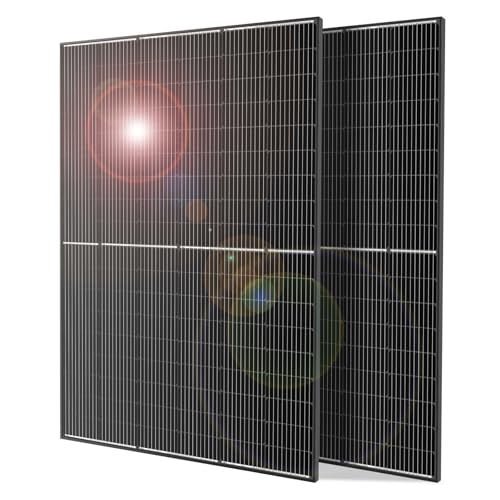
This configuration provides two 400W panels with 31V per panel and 3 m MC4 leads per unit. A recommended setup approach is parallel wiring for 12V operation when the controller supports higher current, or series configuration for higher input voltage when your equipment allows it. The extended leads reduce the number of connectors, simplifying field routing in larger yards, sheds, or patio installations. It’s well-suited for off-grid battery charging in remote garden spaces where reliable, scalable power is needed.
GCUSSZ 800W Flexible 2×400W Panels

This flexible 800W kit uses high-efficiency monocrystalline cells with an ETFE protective layer, enabling curved installations up to 30 degrees. It’s designed for RVs, boats, cabins, and irregular surfaces where rigid panels won’t fit. The panels are lightweight and durable, offering good performance in variable light conditions. A key consideration is mounting hardware and compatibility with your charge controller, as flexible panels can require different mounting approaches than rigid modules.
Renogy 800W ShadowFlux N-Type 4×200W

Renogy’s 800W kit emphasizes ShadowFlux anti-shading technology with N-type cells and 16BB cell architecture, designed to reduce hot spots and boost efficiency. The product line highlights a compact, lightweight design with improved durability and weather resistance. The 800W configuration can deliver strong daytime power for RVs, marine setups, or off-grid farms, especially in partially shaded environments. For best results, pair with an MPPT controller and a robust inverter to maximize overall system performance.
Callsun 800W 8×100W Kit — True 100W Modules

Callsun offers a true 100W module experience with robust, weather-ready construction. The kit emphasizes high efficiency and reliability, often delivering close to or above rated power under favorable conditions. Its rugged frame and tempered glass are designed to withstand snow, rain, and heat, making it a strong candidate for RVs, cabins, and off-grid installations that require dependable performance over time. Ensure your system’s wiring and mounting match the panel count and configuration.
Epoch 800W Bifacial Panels — Dual-Sided Power
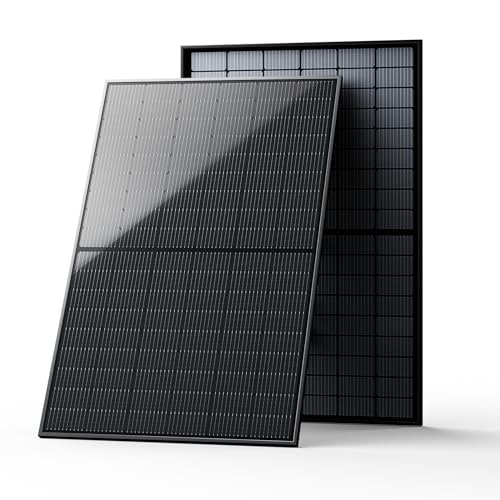
Epoch offers bifacial 800W panels that capture sunlight from both sides, boosting energy yield, especially in reflective environments. Class A cells, high-efficiency design, and durable waterproofing (IP68/IP67) support long-term performance in RVs, boats, and off-grid homes. The bifacial approach helps offset occasional shading and increases daily energy generation, provided installation angles and mounting surfaces optimize frontal and rear exposure.
Rvpozwer 18BB 800W Panels — 4×200W, 25% Efficiency
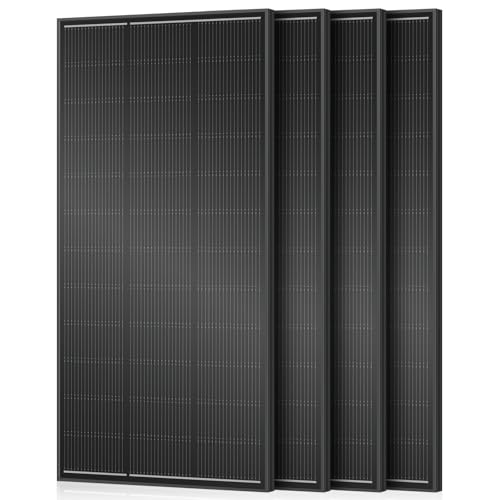
Rvpozwer’s 800W kit uses 18BB technology for enhanced efficiency and durability, with N-Type cells delivering up to 25% efficiency. The panels are designed for easy mounting and compatibility with a range of brackets, making them suitable for home, trailer, or off-grid setups. The kit claims reliable daily output and robust heat tolerance, useful in varied climates and outdoor environments.
Greenmagic 800W Portable Solar Kit
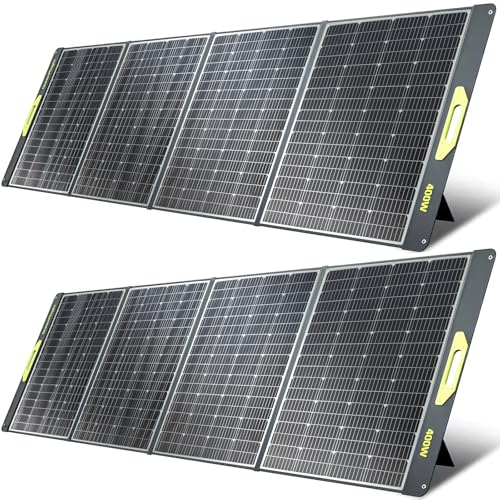
Greenmagic’s portable 800W kit provides two 400W panels with foldable, IP67-rated construction and kickstands for adjustable sun tracking. The lightweight design (around 20 pounds per pair) is ideal for camping, RV travel, boats, and temporary off-grid setups. The ETFE-coated surface boosts durability, while the foldable form factor simplifies transport and storage for mobile power needs.
Buying Guide: Key Purchase Considerations
- System voltage and controller compatibility: Ensure panels match your battery bank (12V/24V) and that your MPPT/PWM controller can handle the total current from 800W of panels.
- Panel type and durability: Rigid monocrystalline panels excel in durability and efficiency, while bifacial or flexible panels suit curved surfaces or reflective environments. Consider climate, wind loads, snow, and mounting options.
- Wiring and cabling: Longer MC4 leads reduce connectors but require careful routing. Verify total run length to the charge controller or combiner and plan for weatherproof junctions.
- Portability vs. permanence: Portable foldable kits offer mobility for trips and campsites; rigid panels provide permanent, high-output installations for sheds, cabins, and rooftops.
- Shading tolerance: Anti-shading technology and bifacial designs can mitigate productivity losses in partially shaded locations, like tree-lined yards or rooftop edges.
- Durability in harsh conditions: Look for tempered glass, robust frames, weatherproof junction boxes, and IP ratings to ensure long-term performance in your environment.
- Installation considerations: Some kits require specialized mounting hardware, brackets, or roof penetration methods; others ship with brackets designed for quick setup.
- Maintenance and warranty: Review module warranties, coating, and cable warranties. A longer warranty often correlates with higher confidence in performance reliability.
- Cost of balance equipment: Don’t overlook the inverter, battery charger, and wiring costs. Total system design influences real-world efficiency and uptime.