Best 6.5 GPM Tankless Water Heaters for Efficient, on-Demand Hot Water
Answering the demand for reliable, on-demand hot water, these 6.5 GPM tankless models deliver steady performance for most homes. This guide highlights five top options, shows who each unit is best for, and explains key trade-offs. Ideal buyers include new installs, upgrading from a traditional tank, or adding a whole-house system where space and energy efficiency matter.
Overview of selected models at a glance:
| Product | Type | Best For | Key Benefit |
|---|---|---|---|
| Wintemp WM27V Plus | Electric Tankless | Whole-house or multi-point use | Smart control, up to 6.5 GPM |
| APUS 27kW Tankless Electric | Electric Tankless | Space-saving homes | LED memory display, fast heating |
| Rinnai RUCS65IN | Natural Gas Tankless | Gas-powered homes | High flow up to 6.5 GPM |
| Ranein 27kW Electric | Electric Tankless | Compact spaces | LED temp display, 6.5 GPM |
| Rinnai RUS65EP | Propane Tankless | Outdoor or vented spaces | Efficient gas operation |
Wintemp 27kW Tankless Electric 6.5 GPM

Best for large households seeking reliable all-electric on-demand hot water. The WM27V Plus delivers up to 6.5 GPM with advanced flow control to maintain temperature and energy efficiency. It requires a 200 Amp service and 3 × 40 Amp breakers with proper wiring. Use this model if you want stable temperature and multi-point usage without gas lines.
Who it’s for: households with 2–4 hot water endpoints and a compatible 200 Amp service. Why selected: strong flow, automatic temperature control, and WiFi-ready options for smart control. Caution: installation demands significant electrical capacity and requires a qualified electrician.
APUS 27kW 6.5 GPM 240V Tankless
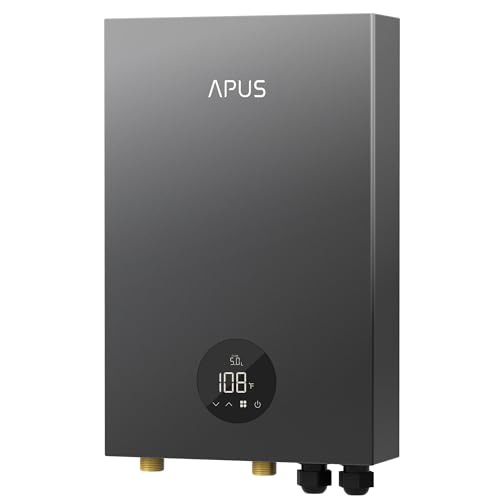
Best for space-constrained homes that need whole-house hot water without a tank. This unit’s 27kW output delivers up to 6.5 GPM with a memory function that stores preferred temperatures. It integrates a compact design and 240V compatibility for streamlined installations.
Who it’s for: homeowners prioritizing space savings and precise temperature control. Why selected: strong performance in a compact footprint and a user-friendly LED display. Caution: installation requires three 40 A breakers and appropriate wiring, so ensure electrical readiness before purchase.
Rinnai RUCS65IN 6.5 GPM Gas Tankless
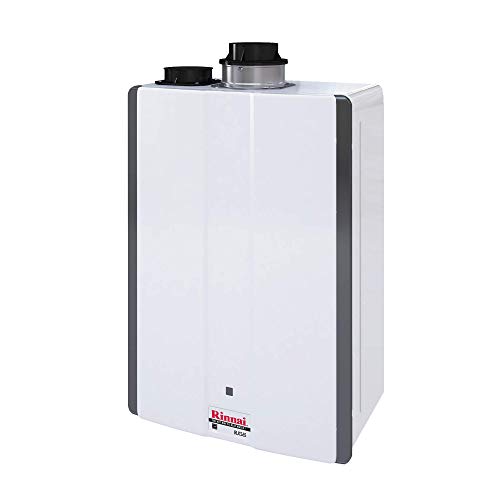
Best for gas-powered homes seeking steady, high-capacity hot water. The RUCS65IN provides a reliable 6.5 GPM flow with multiple venting options for flexible installation. It is designed for indoor installation and efficient operation when gas supply is available.
Who it’s for: households with multiple outlets and a natural gas line. Why selected: proven gas performance and compact footprint. Caution: installation requires proper venting and gas line sizing; consult a professional for setup.
Ranein 27kW Electric 6.5 GPM

Best for homes needing a strong electric option with a compact design. The Ranein unit uses 27 kW to deliver up to 6.5 GPM, featuring an LED temperature display and a space-saving form factor. It suits 2–4 fixtures with precise temperature control via self-modulating technology.
Who it’s for: electric-only installations or residences with limited space. Why selected: high efficiency and clear temperature readout. Caution: demands three dedicated 240 V circuits and proper electrical planning.
Rinnai RUS65EP 6.5 GPM Propane

Best for outdoor spaces or vented areas where propane is preferred. The Rinnai RUS65EP delivers up to 6.5 GPM with efficient gas operation and reliable hot water supply for multiple appliances. It is designed for outdoor installation and flexible venting options.
Who it’s for: homes with outdoor or vented installation and propane access. Why selected: solid gas performance and versatile installation. Caution: outdoor use may require weatherproofing and appropriate clearances.
Buying Guide: Key Considerations for 6.5 GPM Tankless Models
- Electric vs. gas: Electric units are typically easier to install in spaces without gas lines but may require a higher electrical service. Gas models deliver strong flow but need venting and gas supply.
- Electrical demands: For electric 6.5 GPM units, confirm breaker requirements and wire gauge. Most high-flow electric models need dedicated circuits and proper panel capacity.
- Gas supply and venting: If choosing gas, verify venting options (indoor exhaust, PVC/CPVC, or specialized vent systems) and gas line sizing for sustained 6.5 GPM.
- Space and installation: Compact designs suit tight spaces. Check dimensions, mounting options, and whether the unit is point-of-use or whole-home.
- Temperature control: Look for units with precise temperature regulation, self-modulating tech, and user-friendly displays for easy setpoints.
- Maintenance and longevity: Favor models with corrosion-resistant components and accessible service ports. Consider whether the unit requires routine professional maintenance.
- Indoor vs. outdoor: Indoor models require ventilation considerations. Outdoor units should be weather-rated if installed outside.
Frequently Asked Questions
- What does 6.5 GPM mean in a tankless heater? It indicates the maximum continuous hot water flow at a given temperature rise. Real-world performance depends on incoming water temperature and climate.
- Do electric 6.5 GPM units require special electrical upgrades? Often yes; many models need three dedicated circuits or higher service; consult a licensed electrician before installation.
- Can I install a 6.5 GPM unit for point-of-use use? Some electric models are suitable for point-of-use or small homes, but verify output and installation requirements for your scenario.
- Is venting required for gas tankless heaters outdoors or indoors? Indoor gas models typically require venting; outdoor models may need weatherproofing and appropriate clearances.
- What maintenance is needed for these units? Regular descaling, vent/air considerations, and periodic inspections help maintain efficiency and longevity.
- How do I choose between models with similar outputs? Compare electrical requirements, venting needs, space, and control features to match your installation and usage.