Best 500W Portable Power Stations for Off-Grid Power and Outdoor Use
A 500W-rated portable power station offers a compact, reliable source of backup power for camping, RV trips, and home emergencies. This guide highlights five top options with LiFePO4 or high-quality lithium packs, multiple outlets, and extended runtime. Each product is evaluated on capacity, output options, weight, charging speed, and portability to help you pick the right model for everyday reliability or occasional off-grid power needs.
Summary of selected products:
| Product | Brand | Capacity | AC Output | Key Features |
|---|---|---|---|---|
| Anker 535 Portable Power Station | Anker | 512Wh | 4x AC, 60W USB-C PD | LiFePO4 battery, multiple ports |
| GRECELL Portable Power Station 519Wh | GRECELL | 519Wh | 2x AC, USB-A, USB-C PD, DC, car port | 10-device output, lightweight |
| Jackery Explorer 500 | Jackery | 518Wh | 1x AC, USB-A, DC, car port | Portability with solid handle |
| Togo POWER Portable Power Station | Togo POWER | 288Wh | 1x AC, USB-C, USB-A, wireless pad | Off-grid friendly, compact |
| VTOMAN Jump 600X | VTOMAN | 299Wh | 2x AC, USB-C PD, DC, jump-start port | Car jump-start built-in |
Anker 535 Portable Power Station Overview
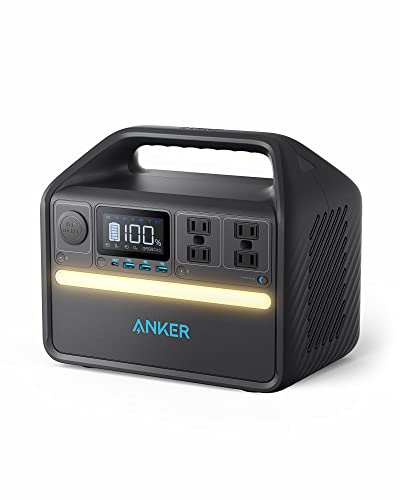
The Anker 535 Power Station combines a robust 512Wh LiFePO4 battery with a 500W continuous output and 60W USB-C PD. It offers multiple ports, including USB-C and USB-A, for charging essential devices, plus four AC outlets. The LiFePO4 chemistry provides long cycle life and stable performance for outdoor use, camping, or as a home backup. Its portable design and integrated LED features make it suitable for trips and emergencies alike.
GRECELL 519Wh Portable Power Station

GRECELL’s 519Wh solar generator provides up to 500W continuous output with 110V AC outlets and a diverse mix of ports. It supports 2 pure sine wave AC outlets, multiple USB-A ports, a USB-C PD output, DC ports, and a car port, enabling simultaneous charging for up to ten devices. Its lightweight build and built-in flashlight with SOS modes enhance outdoor usability and emergency readiness.
Jackery Explorer 500 —Portable Power Station
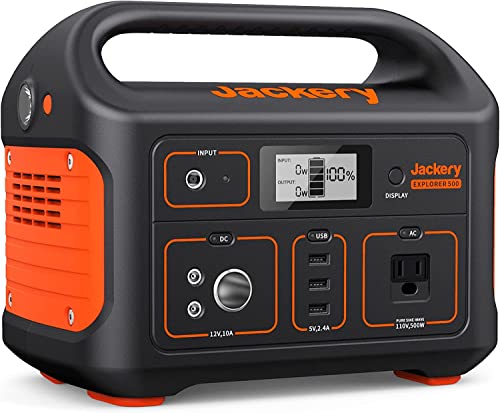
Jackery’s Explorer 500 delivers 518Wh of lithium-ion capacity with a 110V/500W AC outlet (1000W peak). It includes multiple USB and DC ports and a convenient carry handle for portability. Its Battery Management System helps optimize life cycles, and its pass-through charging supports charging while using the device, making it a solid choice for camping, RVing, and home backup needs.
Togo POWER Portable Power Station

The Togo POWER unit focuses on compact off-grid capability with a 288Wh Li-ion battery and 500W continuous output with 1000W surge. It provides flexible charging options via solar, car, and wall outlets, plus USB-C and USB-A ports and a wireless charging pad. Its small footprint is ideal for light travel and quick emergency setups where space matters.
VTOMAN Jump 600X Portable Power Station

VTOMAN Jump 600X combines a 299Wh LiFePO4 power station with a car jump-start port. It expands up to 939Wh with an optional extra battery and delivers up to 600W continuous power (1200W surge). The unit supports 2 AC outlets, USB-C PD, DC ports, and car-jump start capability, making it a versatile choice for outdoor adventures that may require vehicle assistance or longer runtimes.
Buying Guide: Key Purchase Considerations
When selecting a 500W portable power station, consider how you will use it most often. Capacity, inverter type, and ports determine compatibility with devices and runtime. LiFePO4 batteries generally offer longer life cycles and better thermal stability, useful for frequent use. If you need to power multiple devices, models with USB-C PD, multiple USB-A ports, and several AC outlets provide greater flexibility.
Portability matters for travel: weight, handle design, and compact form factor influence everyday carry. Some units include built-in flashlights or SOS modes, which add emergency readiness for camping or power outages. If you plan to recharge via solar, ensure the unit supports solar charging and has robust MPPT or efficient charge controllers for off-grid scenarios.
Outlet configuration should match your common devices. For laptops and phones, USB-C PD fast charging is beneficial. If you’re running small appliances in the RV or home backup, multiple AC outlets and a steady 110V sine-wave output matter. Consider surge ratings for short-term loads such as coffee makers or heaters, and whether pass-through charging is supported for simultaneous use and charging.
Durability and build quality influence long-term reliability, especially in outdoor environments. Look for solid handles, integrated protection features (short-circuit, overcurrent, overtemperature), and a battery with long cycle life. If backup is critical, a model with a higher total capacity and expandable options (additional battery) may be worth prioritizing.
In summary, pick a model with a good balance of capacity, port variety, and portability for your typical use—camping, RV travel, home backup, or occasional emergencies. Align your choice with preferred charging methods (AC, car, solar), and ensure the unit can handle the devices you rely on most.