Best 500 MCM Crimp Lugs for Reliable Electrical Connections
The market for 500 MCM crimp lugs includes several engineered solutions designed to secure high-capacity conductors in panels, switchgear, and distribution systems. This guide highlights five top options, outlining key features, compatibility notes, and mounting considerations to help electricians and installers choose with confidence.
Summary of selected products
| Product | Brand | Image |
|---|---|---|
| Crimp Supply 4 Ga.-500 MCM Aluminum Mechanical Screw Lugs | Crimp Supply |  |
| BURNDY YA342N 2 Holes 500 MCM Compression Lug | Burndy |  |
| E-Gaultra 600T-4 Mechanical Stacked Lug | E-Gaultra |  |
| Penn-Union LA-500 4 AWG-500 MCM Aluminum Solderless Lug | Penn-Union | 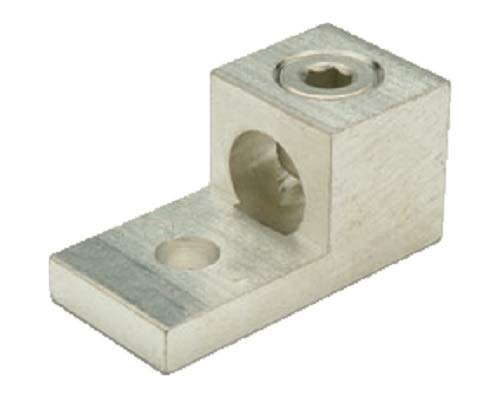 |
| 500 MCM, 5/8″ Stud Copper Compression Lugs | Crimp Supply |  |
Crimp Supply 4 Ga.-500 MCM Aluminum Mechanical Screw Lugs
Crimp Supply’s mechanical screw lug accepts a wide range from 4 AWG up to 500 MCM, with a 3/8″ stud size. The aluminum body provides a lightweight, non-insulated connection designed for quick field installation. This lug is suitable for distribution panels and feeder connections requiring a robust mechanical grip and reliable conductivity. Consider compatible crimp tools and torque values recommended by the manufacturer to ensure a secure, code-compliant installation.
BURNDY YA342N 2 Holes, 500 MCM Compression Lug
Burndy YA342N is a long, chamfered two-hole compression lug designed for high-current applications. Copper construction with tin plating offers improved corrosion resistance and durable electrical contact at 500 MCM conductors. The two-hole design supports secure mounting and balanced load distribution across the lug’s length. It’s a common choice for service entrances, feeders, and industrial equipment where a solid compression connection is essential. Verify barrel length and torque recommendations before installation to achieve proper crimp quality.
E-Gaultra 600T-4 Mechanical Stacked Lug
The 600T-4 mechanical stacked lug covers 500 Kcmil to 4 600 MCM conductors, with a 13/32″ mounting hole. Dimensions place it as a compact option for tight installations while maintaining a reliable multi-conductor connection. The stacked configuration enhances port density on panels and is beneficial in compact switchgear arrays. Before purchasing, confirm the mounting pattern, conductor counts, and overall dimensions to ensure fitment in your specific enclosure and alignment with other lugs in the system.
Penn-Union LA-500 4 AWG-500 MCM Aluminum Solderless Lug
Penn-Union LA-500 offers a solderless aluminum lug solution for 4 AWG through 500 MCM conductors. Its design supports quick field termination with robust current capability and reliable mechanical performance. When integrating this lug, operators should verify compatibility with crimp connectors, torque specifications, and the enclosure’s internal clearance to prevent interference with adjacent components. The brand is well-regarded for durable electrical connectors in industrial and utility contexts.
Crimp Supply 500 MCM Copper Compression Lug
This copper compression lug is designed for 500 MCM conductors with an extended barrel and brown non-insulated finish. The extended barrel aids in stable crimping and reliable contact area, while copper’s high conductivity helps minimize resistance. Proper crimping technique and appropriate die sizes are essential to avoid cold joints. This lug is frequently chosen for feeders and large-diameter branch circuits where a durable, solderless connection is required.
Buying Guide
- Conductor range compatibility: Confirm the lug supports your exact conductor size (e.g., 500 MCM, Kcmil, or 4/0) and whether you need copper or aluminum construction.
- Mounting and termination type: Decide between mechanical screw, compression, or solderless lugs based on the enclosure, available space, and maintenance plans.
- Insulation and environmental exposure: Non-insulated lugs require careful protection in damp or outdoor environments; consider tin or copper plating for corrosion resistance where applicable.
- Port count and configuration: Some lugs support multiple conductors or stacked arrangements; ensure the chosen part fits your panel’s layout and clearance requirements.
- Torque and crimping: Use manufacturer-recommended torque and die sets. Improper crimping can lead to high-resistance joints, heat buildup, or failure under load.
- Electrical code compliance: Verify that the lug design aligns with applicable NEC/UL standards and any local amendments for equipment grounding and feeder connections.
- Mounting hole size and spacing: For mechanical lugs, ensure mounting holes align with enclosure studs and that there’s adequate space for cable routing and protective covers.
- Replacement and aging: Consider ease of replacement in serviceed environments; modular or modular-stack designs can simplify future upgrades.
- Material choice: Copper vs aluminum lugs influence conductivity, weight, and compatibility with conductor alloys—match to your system’s material strategy.
- Environmental suitability: For high-dirt or aggressive chemical environments, select lugs with appropriate coatings (tin, plated finishes) to extend life.
When selecting a 500 MCM crimp lug, balance mechanical fit, electrical performance, and maintenance practicality. Cross-check panel dimensions, conductor counts, and mounting constraints against the lug’s specifications to minimize installation surprises and ensure a reliable, code-compliant connection.