Best 4 Inch PVC Electrical Conduit Fittings for Durable Installations
Choosing the right 4 inch PVC conduit fittings can simplify electrical runs, improve resistance to weather and chemicals, and speed up installation. This guide highlights five high-quality options, covering transitions, turns, and reducers to help you plan a robust conduit network for commercial, industrial, or utility projects.
Summary of selected products:
| Product | Brand | Type | Key Feature | Image |
|---|---|---|---|---|
| Cantex 5140112 Cantex, 4-Inch PVC Terminal Adapter | Cantex | Terminal Adapter | Transitions from plain end PVC conduit to threaded metal or PVC female bell | 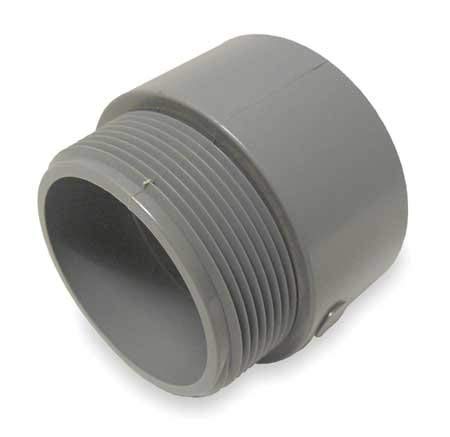 |
| CKVIHAV 4Pack 3/4 Inch Rigid PVC Conduit Body Type LB | CKVIHAV | LB Conduit Body | 90-degree pull-friendly LB design with flat back for mounting near walls |  |
| CKVIHAV 4Pack 3/4 Inch Rigid PVC Conduit Body Type LL | CKVIHAV | LL Conduit Body | 90-degree pull-friendly LL design with flat back for space-saving installs |  |
| Cantex Elbow 45 Degree, PVC, 4″ Conduit Size | Cantex | Elbow 45° | Precise 45-degree bend for routing around obstacles in 4″ conduit runs |  |
| Cantex 5142227 Schedule-40/80 Reducer Bushing 4-Inch x 3-Inch | Cantex | Reducer Bushing | Reduces diameter from 4″ to 3″ in conduit bells |  |
Notes: All product details reflect the most relevant 4 inch PVC conduit fittings that help optimize routing, access, and durability in typical American installations. Images and feature lists come from product pages to aid quick comparison.
Cantex 5140112 4-Inch PVC Terminal Adapter
The Cantex 5140112 Terminal Adapter provides a reliable transition from plain end PVC conduit to a threaded metal or PVC female bell. Measuring roughly 3.438 inches by 5 inches, this adapter accommodates a 4-inch trade size, aligning with standard PVC conduit specifications. Its design supports secure connections via standard solvent-weld or threaded terminations, assisting installers in creating robust, weather-resistant joints for outdoor or indoor applications. This option is well-suited for systems requiring a secure bell-and-thread or bell-to-thread transition without compromising conduit integrity.
CKVIHAV 4Pack 3/4 Inch LB Conduit Body
CKVIHAV’s LB-type conduit bodies are constructed from rigid, non-conductive PVC, offering low-temperature and UV resistance, impact resistance, and long service life. The LB design supports a 90-degree turn, enabling straightforward pulling, splicing, and maintenance of electrical wiring in tight spaces. Installation is simple, typically requiring only primer and solvent cement for a durable bond. This kit is ideal when access to the interior of a conduit run is necessary, and space around walls is limited by the flat-back layout.
CKVIHAV 4Pack 3/4 Inch LL Conduit Body
CKVIHAV’s LL-type conduit bodies are built from durable PVC, providing resistance to low temperatures, UV exposure, impact, and corrosion. The LL design supports a 90-degree turn with a flat back for mounting flush against walls. This layout improves space efficiency and routing convenience in runways that require frequent access or pulling through established conduit segments. Like the LB variant, installation relies on primer and solvent cement for a secure, long-lasting connection.
Cantex Elbow 45 Degree 4″ Conduit
The 45-degree elbow from Cantex provides a precise bend in a 4″ conduit run, allowing routing around obstacles while maintaining the conduit’s structural integrity. This elbow is categorized under Schedule 40 PVC conduit, making it compatible with standard 4″ PVC installations. Its compact geometry helps control wiring paths in tight spaces and supports seamless transitions between straight runs and bends, reducing potential snag points during pulling and installation.
Cantex 5142227 4″ x 3″ Reducer Bushing
This reducer bushing is designed to fit into the bell end of a conduit and reduce the diameter from 4 inches to 3 inches. It’s compatible with UL-swaged conduit systems and facilitates secure reductions within a single bell, helping manage transitions between different conduit sizes without compromising seal integrity.
Buying Guide: Key Considerations For 4 Inch PVC Conduit Fittings
When selecting 4 inch PVC conduit fittings, consider these factors to balance cost, durability, and ease of installation:
- Conduit Type and Schedule: Most 4″ fittings are Schedule 40 PVC, designed for general-purpose electrical wiring in indoor and outdoor settings. Verify compatibility with the conduit size and the operating environment.
- Material Durability: PVC conduit fittings resist corrosion, chemicals, and UV exposure. For outdoor installations, UV resistance and impact tolerance help extend service life.
- Connection Method: Pulling ease and joint security matter. Conduit bodies (LB and LL) and adapters should enable straightforward access for pulling wires, splicing, or maintenance.
- Fitting Type and Layout: Elbow bends (like 45°) help route around obstacles; reducers manage diameter transitions; terminal adapters simplify transitions to threaded components. Match the fitting type to the intended run layout.
- Back Design and Mounting: Flat-back conduit bodies simplify mounting flush to walls or surfaces, saving space in tight installations.
- Ease of Installation: Look for fittings that require standard primers and solvent cement, ensuring quick, secure connections with common tools and materials.
- Standards and Compatibility: Ensure fittings align with local electrical codes and the relevant standards for PVC conduit assemblies to guarantee safe operation and inspections.
- Availability and Packaging: For larger projects, consider multi-packs to streamline procurement and reduce on-site downtime during installation.
Each product featured here offers specific advantages for 4 inch PVC conduit systems, from transitions and bends to pulls and reductions. In practice, a well-rounded selection often includes a mix of terminals, conduit bodies for access, alignment-friendly elbows, and reducers to handle size changes along the run. Always inspect installation instructions and verify that the chosen parts fit within the expected conduit schedule and wall-mounting constraints.