Best 3 Phase Meter Main Options for Homes and Businesses
When selecting a 3-phase meter main, choose a solution that matches your electrical system, installation environment, and future wiring needs. This guide highlights five reliable options and who they’re best for, from compact main lug centers to advanced metering for real-time energy data. The top picks are suited for commercial, industrial, and large residential setups where three-phase power and robust bus capabilities matter. A quick comparison table is provided below to help you scan key attributes at a glance.
| Product | |||
|---|---|---|---|
| SIEMENS S4260L3225 | 3-Phase Load Center | Small to mid-sized commercial spaces | Integrated main lug with copper bus for easy wiring |
| Eyedro 3-Phase Meter | Commercial & Industrial Meter | Real-time energy monitoring with solar metering | Live kWh, A, V, PF, cost data with flexible connections |
| SIEMENS P1224L3125CU | 125-Amp Main Lug Load Center | Higher-compatibility three-phase paneling | Quick insta-wire technology for fast installation |
| Square D QO342MQ200 | QO 200 Amp 42-Space, 3-Phase | Rugged, adjustable feed options | Rotatable for overhead/underground feed |
| Square D QO342L225G | QO 225 Amp 42-Space | Versatile three-phase main lug | High short-circuit rating for reliable protection |
SIEMENS S4260L3225 225-Amp Indoor Main Lug
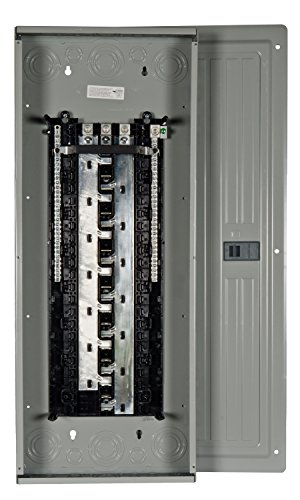
Best for: small to mid-size commercial spaces needing a compact, ready-to-wire main lug center. This Siemens unit supports a 3-phase, 4-wire system with 120/240 or 120/208-Volt configurations and accepts approved plug-in Siemens or Murray breakers. The copper bus provides durable, reliable power distribution. Limitations include the need for compatible breakers and panel space planning for future expansion.
Milbank 320 Amp 3-Phase Meter Socket U4342-R-K7-K6-BLG-AEPU
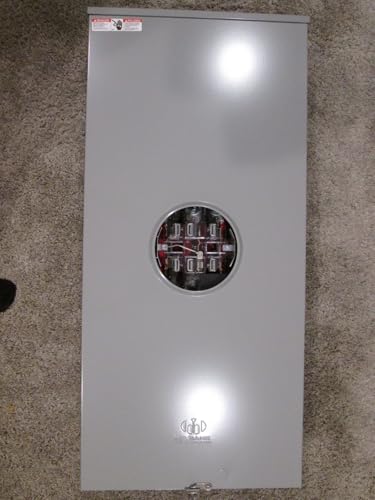
Best for: installations requiring a dedicated meter socket with 3-phase capabilities. The Milbank unit focuses on metering hardware with robust main connections. Cautions include compatibility considerations with downstream panels and the need for correct mounting and enclosure sizing for 320 A service.
Eyedro 3-Phase Commercial & Industrial Energy Meter
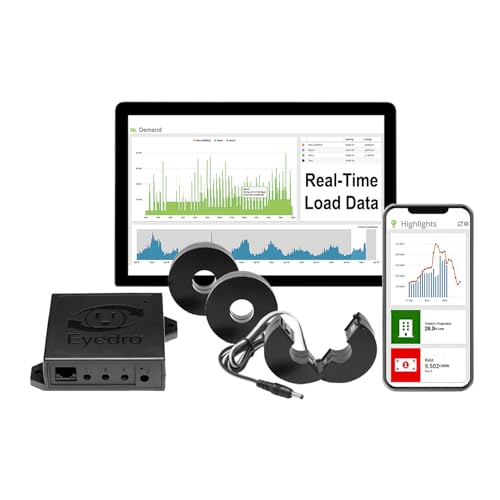
Best for: facilities needing real-time energy data across three phases, including solar and net metering considerations. It provides kWh, Watts, Amps, Volts, PF, and cost data, with WiFi or Ethernet connections. Caution: setup may require Eyedro technical support for optimal configuration, and voltage support spans multiple common three-phase systems (up to 600V).
SIEMENS P1224L3125CU 125-Amp Three-Phase Main Lug

Best for: projects needing a compact, 125-amp main lug solution with 12 spaces and 24 circuits. Siemens’ insta-wire technology helps speed installation, especially where ground and neutral bars are prepped. Use this when you prioritize quick wiring and copper bus durability. Caution: ensure downstream breakers and conductor sizes meet local code and load requirements.
Square D QO342MQ200 QO 200 Amp Load Center

Best for: environments requiring both overhead and underground feed flexibility with a 200A main and 42 spaces. The unit supports plug-on secondary surge arrestors and is rated for 208Y/120 VAC with a high short-circuit current rating. Choose this if you need versatile feed options and strong protection compatibility. Caution: installation rotation and wiring must align with feed type to avoid miswiring.
Square D QO342L225G QO 225 Amp Load Center

Best for: 225-amp three-phase main lug load center applications that require a robust 42-space, 42-circuit layout. It supports plug-on secondary surge arrestors and handles overhead/underground feeds with ease. This option is ideal when a higher amperage and larger circuit count are needed. Caution: confirm compatibility with installed meters and downstream breakers before purchasing.
Buying Guide
What is a 3-Phase Meter Main, and why do you need one?
A 3-phase meter main combines a meter socket with a distribution panel designed for three-phase power. It is essential for commercial or industrial sites and large residences that use three-phase electrical systems, improving power distribution, safety, and potential energy monitoring capabilities.
Key considerations when choosing
- System voltage and phase configuration: ensure compatibility with 120/208, 120/240, or higher three-phase systems.
- amperage rating and space: match main breaker or lug capacity to anticipated load, and ensure space for future circuits.
- Bus material: copper buses offer durability and better conductivity in many Siemens units.
- Compatibility with breakers: verify that downstream breakers are available within the same brand family or are listed as compatible.
- Metering and monitoring needs: consider whether real-time data, solar metering, or remote monitoring is desirable and compatible with your network.
Installation and safety considerations
- Follow local electrical codes and permit requirements for three-phase panels.
- Consider professional installation for main lug and meter socket configurations to ensure proper grounding and panel alignment.
- Check enclosure size and mounting provisions for overhead versus underground feeds.
What features help with long-term reliability?
- Copper bus bars for durability and steady conduction.
- Insta-wire or quick-install technologies to reduce wiring time and error.
- High short-circuit current ratings for enhanced protection margins.
FAQ
- Q: What is the difference between a main lug and a main breaker in these panels?
A: A main lug panel provides lugs for direct connection to the bus bars without a main breaker, while a main breaker panel includes a built-in breaker to shut off all power downstream. - Q: Can I mix brands in a three-phase panel?
A: Compatibility varies; it’s best to use components listed as compatible or from the same brand family to ensure proper protection and warranty terms. - Q: Do these panels support solar or net metering integration?
A: Some units, like Eyedro, support real-time monitoring and can be used alongside solar installations, but confirm inverter and meter compatibility for your setup. - Q: What maintenance is required for three-phase load centers?
A: Regular inspection of connections, terminal torque checks, and ensuring the enclosure remains dry and free of corrosion are typical maintenance practices. - Q: Is professional installation required?
A: For most three-phase meter mains, professional installation is strongly recommended to ensure safety and code compliance. - Q: How do I determine the right amperage?
A: Assess peak load calculations, future expansion plans, and whether you need space for additional circuits to select the correct rating.