Best 3/8 Chemical Hose for Industrial, Agricultural, and DIY Applications
The best 3/8 chemical hose selections below are chosen for varied tasks like spraying, corrosion resistance, and high-pressure transfer. These options suit professionals needing chemical compatibility, or DIYers needing durable, kink-resistant tubing. Use cases include agricultural sprayers, laboratory or workshop fluid transfer, and general purpose liquid handling. The top picks emphasize clear braided PVC, EPDM rubber, and reinforced designs for reliable performance. A quick-reference table is provided to compare core specs at a glance.
| Product | Diameter | Length | Material | Best For |
|---|---|---|---|---|
| Duda Energy HPpvc038 | 3/8″ | 100 ft | Clear PVC, braided | High-pressure, chemical resistance |
| Eastrans 3/8″ ID x 25 ft | 3/8″ | 25 ft | Clear braided PVC | Compact, flexible, chemical use |
| Abbott Rubber X1110-0381-25 | 3/8″ | 25 ft | EPDM rubber | Aqueous chemical resistance |
| Innconee 3/8″ ID x 50 ft | 3/8″ | 50 ft | PVC reinforced | High pressure, oil/chemical resistance |
| DAVCO 3/8″ ID × 25 ft | 3/8″ | 25 ft | PVC braided | High-pressure, kink resistant |
Duda Energy HPpvc038-100ft 100′ x 3/8″ ID Hose

Reference features: ID 3/8″, OD 19/32″, wall 7/64″, max working pressure 225 psi, bursting pressure 674, minimum bend radius 3″, temperature 25°F to 150°F (-4°C to 66°C).
Best for: Those requiring high pressure and broad chemical compatibility in a long run. This hose is well suited for labs, industrial processes, and harsh environments where chemical exposure is routine.
Limitations: Long length may be less convenient for tight spaces; ensure routing accommodates its 100 ft length.
Eastrans 3/8″ ID x 25 Ft High Pressure Braided PVC Tubing

Reference features: ID 3/8″, OD 19/32″, 25 ft length, wall thickness 2.8mm; Hardness 73A; temperature range 23°F to 149°F; working pressure 225 PSI; UV and chemical resistant, reinforced for kink resistance.
Best for: Small to medium projects where easy handling and reliability under chemical exposure are priorities.
Limitations: Shorter length compared to some options; plan multiple sections if larger area coverage is needed.
Abbott Rubber X1110-0381-25 EPDM Spray Hose
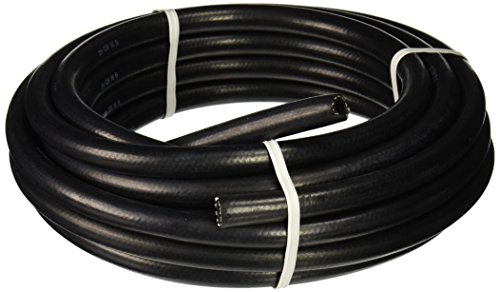
Reference features: 3/8-Inch ID by 25 feet; Black EPDM rubber; resistant to aqueous chemicals including Lasso; 150 PSI working pressure; -20 to 190°F operating temperature.
Best for: Agricultural sprays and general purpose outdoor spraying where resistance to chemicals and temperature extremes is needed.
Limitations: EPDM is not ideal for every solvent; verify compatibility with specific chemical mixes before use.
Innconee PVC 3/8″ ID x 50 ft Reinforced Hose

Reference features: 3/8″ ID, 50 ft; reinforced PVC with longitudinal textile yarns; rated up to 600 PSI at 70°F; ribbed cover for reduced friction; resistant to UV and chemicals.
Best for: Demanding spraying or transfer tasks in tight spaces where kinks must be avoided and durability matters.
Limitations: Higher pressure rating means it may be over-specified for light-duty tasks, potentially increasing stiffness in very short runs.
DAVCO 3/8″ ID × 25 ft Clear Braided PVC Tubing

Reference features: Clear braided tubing; 3/8 inch ID, 19/32 inch OD; 25 ft; reinforced with high-density polyester yarn; rated up to 225 psi; anti-kink, flexible; good chemical and weather resistance.
Best for: Environments requiring visible fluid flow and reliable chemical compatibility in compact lengths.
Limitations: As with all clear tubing, extent of chemical compatibility varies by fluid; check compatibility with aggressive solvents.
Innconee EPDM 3/8 Inch x 25 ft Garden Hose
Reference features: EPDM rubber with reinforced double-strand high-tensile textile cord; available in 25 ft to 100 ft; 3/8″ src=”https://m.media-amazon.com/images/I/41qpeCTfkNL._SL500_.jpg”>
Best for: Garden and landscape tasks where resistance to weather and oils is valuable, with moderate pressure needs.
Limitations: Lower maximum pressure than some braided PVC options; ensure use aligns with PSI requirements.
Buying Guide: How To Choose The Right 3/8 Chemical Hose
- Chemical compatibility: Identify whether the fluids are water-based, oils, solvents, or agricultural sprays. EPDM hoses excel with aqueous chemicals; PVC braided hoses handle many solvents and water transfers, but check the chemical compatibility chart for specific fluids.
- Pressure rating: Pick a hose with a working pressure above your system’s max pressure. Braided reinforced hoses often advertise higher psi ratings (225–600 psi). Avoid undersized ratings for high-pressure jobs.
- Length and flexibility: Longer hoses add reach but can be unwieldy in tight spaces. Consider shorter lengths with connectors if space is limited. Braided hoses tend to kink less but can be stiffer than non-braided PVC.
- Temperature range: Ensure the hose can handle the operating temperatures of your fluids. Some hoses tolerate sub-freezing or high heat well, while others lose flexibility.
- Durability features: Look for reinforced walls, UV resistance, and ribbed or smooth outer jackets depending on handling and abrasion risks. For outdoor use, UV stability is a key factor.
- Application fit: For sprayers and irrigation, EPDM and PVC hoses offer different benefits. For high chemical exposure or oil-related tasks, verify compatibility with the intended fluids.
Frequently Asked Questions
- What is a 3/8″ chemical hose best used for? It’s commonly used for sprayers, transfer tasks, and general fluid handling where chemical resistance and moderate-to-high pressures are needed.
- Is EPDM better than PVC for chemical transfer? EPDM performs well with many aqueous chemicals and weather resistance; PVC braided hoses provide durability and clear flow for a wide range of fluids, including some solvents.
- How do I prevent kinks in braided hoses? Choose hoses with thicker walls and reinforced braiding, keep within recommended bend radii, and avoid tight coiling when storing.
- Can I use a 3/8″ hose for oils? Some 3/8″ hoses are suitable for oil-based fluids, but verify chemical compatibility with the manufacturer’s data for the specific oil you’re using.
- What length should I choose? Select a length that minimizes excess routing while avoiding over-tension on fittings; longer hoses may require additional fittings or reels for manageability.
- Do these hoses require special fittings? Most 3/8″ hoses use standard 3/8″ fittings, but check thread size and compatibility with your equipment to avoid leaks.