Best 280Ah LiFePO4 Grade a Batteries for Reliable Off-Grid Power
Answering the search for durable 280Ah LiFePO4 cells, this guide highlights Grade A options built for long life, steady output, and easy integration. The top picks cater to different buyers: from DIY pack builders and off-grid enthusiasts to portable power users. Below you’ll find concise comparisons, clear use-cases, and practical cautions to help you choose confidently.
Summary Table of Chosen Products
| Product | Brand | Key Strengths | Best For |
|---|---|---|---|
| EVE LiFePO4 Cell 3.2V 280Ah (Grade A) | VNSZNR | Grade A cells, easy assembly, balanced internal resistance | DIY battery packs with busbars |
| 3.2v 280AH LiFePO4 Grade A (MINXIN, 4-Pack) | MINXIN | Long-life, wide operating range, aluminum shell | Outdoor power banks and long-idle vehicles |
| HiXiMi EVE LiFePO4 Cell 3.2V 280Ah | HiXiMi | 1C charge/discharge, supports DIY packs | Custom packs with BMS not included |
| ECO-WORTHY 12V 280Ah Metal Case | ECO-WORTHY | Metal enclosure, direct RV/camper installation | Off-grid, trailer, or solar setups |
| LiFePO4 Cell 3.2V 280Ah 4 Pack (LiFbatt) | LiFbatt | Grade A cells, high energy density, long life | DIY battery packs with M6 hardware |
EVE LiFePO4 Cell 3.2V 280Ah — Grade A
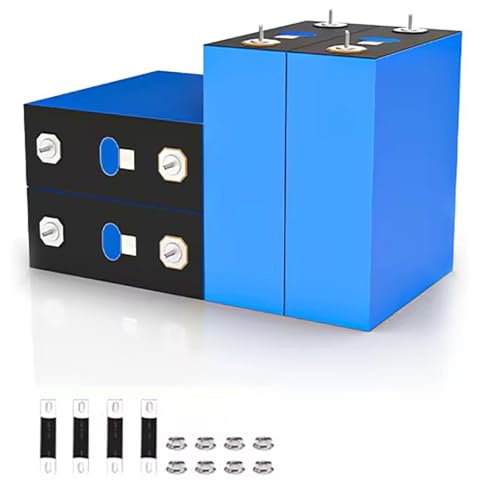
Best for DIY builders who want Grade A EVE cells with balanced performance. Features include a rated 280Ah capacity, potential discharge above 290Ah, and a 2.5V–3.65V operating window. The cell weight is about 5.4 kg, and dimensions are compact for modular packs. This option emphasizes cell-level quality and straightforward assembly, though a BMS is not included. Choose this if you’re assembling a custom LiFePO4 bank with compatible hardware.
Best used with a properly chosen BMS and busbars for reliable safety and balanced voltage among cells. A caution: ensure your pack design accounts for safety margins and thermal management, as no BMS is included with this cell.
3.2v 280AH LiFeP04 Grade A Battery Cells — MINXIN (4-Pack)

Selected for long-cycle depth and solid aluminum shell construction, MINXIN 280Ah cells are ideal for outdoor power systems and vehicles that sit idle for extended periods. They demonstrate a wide operating range and a 280Ah nominal capacity with 1C rate support. The product note emphasizes safety and durability, useful for solar storage or RV setups. Best for those who want reliable, modular cells with durable housing. Avoid this if your project requires an integrated BMS included in the package.
HiXiMi EVE LiFePO4 Cell 3.2V 280Ah

HiXiMi’s 280Ah EVE cell supports DIY battery packs with busbars and M6 nuts. Specifications include 1C maximum discharge/charge, a nominal 3.2V, and a wide temperature range. The data highlights compatibility with custom BMS solutions since no BMS is included. Best for seasoned builders who want flexible pack configuration and direct cell-level performance data. Consider this if you’re comfortable selecting and integrating your own protection system.
ECO-WORTHY 12V 280Ah Metal Case Battery

Designed for straightforward installation in RVs, campers, and off-grid homes, this ECO-WORTHY 280Ah battery uses a rugged metal case. It includes mounting feet and avoids the need for an external battery box. The built-in 200A BMS and Bluetooth monitoring offer practical daily use, though the model notes random exterior label styles. Best for buyers prioritizing space efficiency and easy mounting. Caution: verify compatibility with your system’s BMS requirements and mounting constraints.
LiFePO4 Cell 3.2V 280Ah 4 Pack — LiFbatt
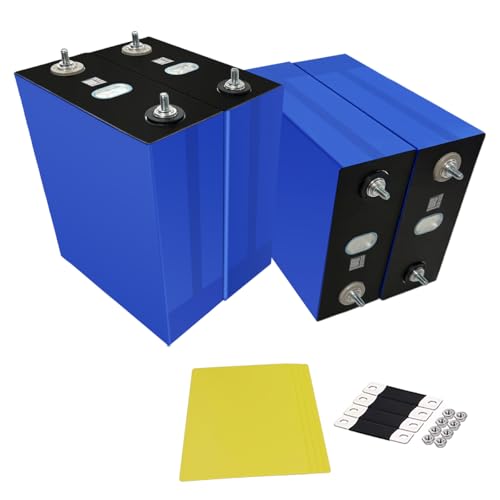
LiFbatt’s 4-pack emphasizes A+ grade cells with high energy density and robust safety features, including a built-in safety valve and rigid aluminum body. The cells are designed for versatile integration into backup power systems, solar ESS, and RV power setups. Best for users seeking scalable pack options with a focus on long cycle life. Limitations include the need for a compatible BMS and proper thermal management for multi-cell packs.
Buying Guide: 280Ah LiFePO4 Battery Pack Considerations
- What is Grade A and why does it matter? Grade A cells indicate high consistency, lower internal resistance, and better overall reliability—important for long-life energy storage.
- Do you need a BMS? Most packs require a LiFePO4 BMS to manage charging, discharging, and cell balancing. Some products come without a BMS, so plan accordingly.
- How to size your pack? A 280Ah cell is typically used in 12V configurations when multiple cells are connected in series/parallel. Decide your target system voltage and total capacity before buying.
- What about cooling and mounting? Some models feature metal enclosures or rugged housings. Ensure adequate heat dissipation and proper mounting for your installation environment.
- Safety and compatibility? Look for protection features (over-temperature, over-current, short-circuit protection) and verify compatibility with your existing solar/inverter setup.
Quick Comparison Snapshot
- Best for DIY builders who want Grade A EVE cells with robust modularity — EVE 280Ah (VNSZNR).
- Better for outdoor, long-idle usage — MINXIN 4-pack and HiXiMi 280Ah cells.
- Choose ECO-WORTHY Metal Case if you need a ready-to-install, all-in-one enclosure.
- Choose LiFbatt 4-pack for versatile, space-saving pack assembly with high energy density.
Frequently Asked Questions
What does Grade A mean for LiFePO4 cells?
Grade A indicates tight quality control, consistent capacity, and low variance between cells, contributing to reliable pack performance.
Is a BMS required with these cells?
Most packs require a BMS for safe operation. Some listings note “BMS not included,” meaning you must select a compatible BMS separately.
Why choose a metal-case ECO-WORTHY battery?
The metal enclosure improves heat resistance and fire safety while enabling direct mounting in RVs or campers without extra boxes.
Can these 280Ah cells be connected in parallel or series?
Yes. LiFePO4 cells are typically connected in series and/or parallel to achieve higher voltage or greater capacity, but ensure proper BMS support and safe wiring practices.
What are typical limitations to watch for?
Limitations often include the need for an external BMS, thermal management requirements, and ensuring compatibility with your inverter and charging sources.