Best 250 Watt Hub Motor Guide: Top Picks for Electric Bikes, Scooters, and DIY Projects
Looking for a reliable 250W hub motor to power your electric bike, scooter, or DIY project? This guide highlights five top 250W hub motors, explaining who they’re best for and why they stand out. Each option is evaluated for reliability, maintenance, and compatibility to help buyers compare quickly. Ideal for bike commuters, hobbyists building an electric ride, or DIY enthusiasts upgrading a rear-wheel setup.
Summary table of chosen products:
| Product | Power / Speed | Wheel Compatibility | Best For | Notable Benefit |
|---|---|---|---|---|
| DNYSYSJ 36V 250W Rear Hub Motor (C) | 36V, 250W, 300 RPM | 20″–28″ | DIY riders, retrofit projects | Integrated speed and hall sensors |
| Haivenliuy 36V 250W Rear Wheel Hub Motor | 36V, 250W, 300 RPM | 20″–28″ | Urban commuters, upgrades | Low-noise operation, multiple brake options |
| Zarko 36V 250W Hub Motor System | 36V, 250W, 950–1000 RPM (no-load) | 6.5″ wheel (tire included) for compact builds | Mini bikes, scooters, light-duty EVs | High torque with solid rubber tire option |
| Weiyiroty 36V 250W Rear Wheel Hub Motor | 36V, 250W | Standard 20″–28″ | DIY enthusiasts, reliable everyday riding | Aluminum body for durability |
| YC Yier 12 Inch 36V 250W Hub Motor Kit | 36V, 250W | 12″ wheel (pneumatic tire included) | Full upgrade kits, compact builds | All-in-one kit with controller and brakes |
DNYSYSJ 36V 250W Rear Hub Motor (C)

Overview: This 36V, 250W rear hub motor is designed for 20″–28″ wheels. It features a 300 RPM no-load speed, an efficiency around 84%, and a reduction ratio of 1:04.5. It includes a shaft-center right cable location, Hall sensor, and integrated speed sensor. The unit supports V-brake and disc brake configurations and is IP54-rated for basic protection against moisture. The compact size is ideal for retrofit builds and mid-range performance projects.
Best for: DIY riders and retrofitting older bicycles into electric bikes, especially when a compact rear motor with sensors is desired.
Why selected: It provides a balanced mix of torque, efficiency, and sensor integration, making it suitable for controlled acceleration and reliable performance in everyday use.
Caution: Ensure compatibility with your frame’s dropout spacing and that the 100 mm open size clearance fits your setup. Noise and performance can vary with wheel size and gearing.
Haivenliuy 36V 250W Rear Wheel Hub Motor

Overview: This 36V, 250W motor delivers a 300 RPM no-load speed with an efficiency rating of at least 84%. It supports multiple brake types, including V-brake and disc options, and comes with a shaft-center right cable location, integrated speed sensor, and Hall sensor. The matte black finish emphasizes durability and a clean look.
Best for: Urban riders seeking a quiet, reliable rear hub motor with flexible braking options for daily commuting and light trails.
Why selected: The integrated sensors and robust braking compatibility support smooth, safe rides and straightforward maintenance.
Caution: If you’re upgrading, confirm the compatibility of the brake type with your existing braking system and check the weight limits of your frame.
Zarko 36V 250W Hub Motor System
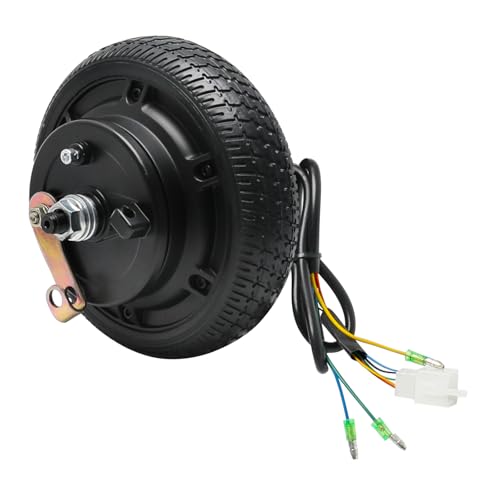
Overview: The Zarko system provides a 36V, 250W motor with a high-no-load speed range of 950–1000 RPM, suited for compact wheel setups around 6.5 inches. It includes a 6.5x2C road tire as part of a complete hub motor system, designed for light to moderate-duty electric builds. The drum-like motor design is optimized for quiet operation and reliable torque delivery.
Best for: DIY mini bikes, scooters, or compact electric vehicles where space is limited but power needs are consistent.
Why selected: The higher no-load speed supports quicker response in small-wheel configurations, and the included tire helps simplify setup for small-wheel applications.
Caution: Limited torque may not perform as well on heavier riders or steep climbs; verify payload and gearing match your project needs.
Weiyiroty 36V 250W Rear Wheel Hub Motor

Overview: This hub motor uses an aluminum alloy build to provide a strong yet lightweight profile, with a 36V, 250W rating and compatibility with 20″–28″ wheels. It emphasizes durability and stability for everyday riding and modification projects. The design aims to offer a balanced ride feel with steady torque and reliable operation.
Best for: Riders seeking a durable, upgrade-friendly rear hub motor for daily commuting or casual off-road use in DIY builds.
Why selected: Aluminum construction contributes to better heat dissipation and longevity, supporting longer-term use in varied conditions.
Caution: Check your frame clearance and axle compatibility before purchasing to ensure a clean fit with your existing drivetrain.
YC Yier 12 Inch 36V 250W Hub Motor Kit

Overview: This is a complete 6-in-1 electric upgrade kit featuring a 36V 250W brushless hub motor wheel with a 12-1/2×2-1/4 tire, sine wave controller, hydraulic brake assembly, disc rotor, throttle, and 3-speed switch. It delivers a no-load speed of 950–1000 RPM and supports loads up to 350–450 lbs with the right configuration. It’s designed for easy bolt-on installation and a turnkey conversion path for small EV projects.
Best for: Builders seeking a full upgrade kit for compact scooters, e-bikes, or dirt bikes where a single-package solution saves sourcing time.
Why selected: All-in-one composition reduces setup complexity, aiding quicker deployment and more predictable integration with standard controllers and brakes.
Caution: Ensure the kit’s axle size, fork compatibility, and brake mounting align with your vehicle’s frame and suspension setup.
Buying Guide: Key Considerations for Choosing a 250W Hub Motor
- Wheel size compatibility: Check the motor’s supported wheel range (20″–28″, or smaller like 6.5″–12″). Choose a motor that fits your wheel and frame geometry.
- Torque vs. speed: 250W motors often balance torque and speed. Higher no-load RPMs are good for fast-accelerating builds, while higher torque helps on hills with heavier riders.
- Sensor type: Hall sensors and integrated speed sensors improve throttle response and pedal-assist accuracy. If you rely on precise control, prefer units with sensors.
- Brake compatibility: Confirm whether the motor supports V-brake, disc brake, or both. Some kits include or mount a disc brake setup; verify compatibility with your existing brakes.
- Build quality and materials: Aluminum bodies offer weight savings and corrosion resistance; consider IP ratings (IP54 or higher) for weather resistance.
- Drivetrain integration: If retrofitting a cassette or freewheel, verify compatibility with your current gearing and chainline.
- Payload and use-case: Heavier riders or steep terrains benefit from sturdier frames and possibly higher torque environments; plan accordingly.
- All-in-one kits vs. partial upgrades: Full kits simplify installation but ensure controller voltage compatibility and wiring length for your ride.
Frequently Asked Questions
- What is the typical efficiency range for a 250W hub motor?
– Most 250W hub motors report efficiency around 84% in typical operation, though exact numbers depend on design and load. - Can I retrofit any bicycle with a 250W rear hub motor?
– Retrofits are possible with compatible wheel size, axle type, and brake compatibility. Always verify frame clearance and dropout spacing before purchasing. - Are front-hub motors better than rear-hub motors?
– Front-hub motors often provide simpler installation and steer-friendly balance, while rear-hub motors can offer better traction and load distribution for hills and heavier riders. - Do hub motor kits require specialized controllers?
– Many do not; some include sine wave controllers designed to match the motor’s voltage (e.g., 36V) and provide smooth throttle response. Verify controller compatibility with your battery and wiring. - Is waterproofing important for hub motors?
– IP54 or higher ratings help resist dust and splashes. For riding in rain or wet conditions, choose models with protective enclosures and seals.